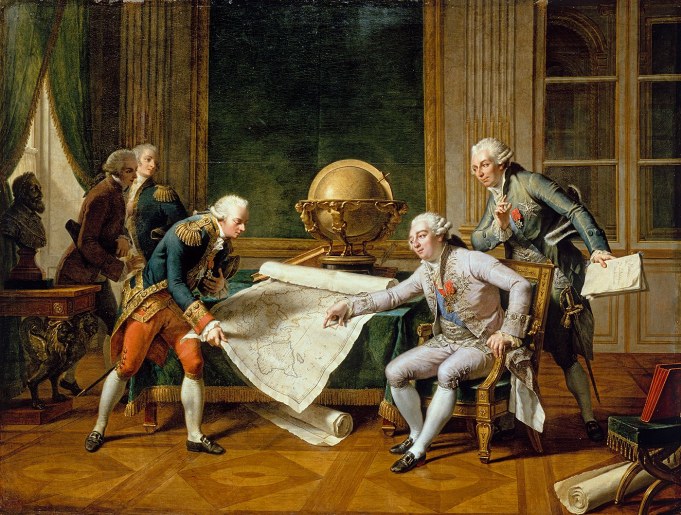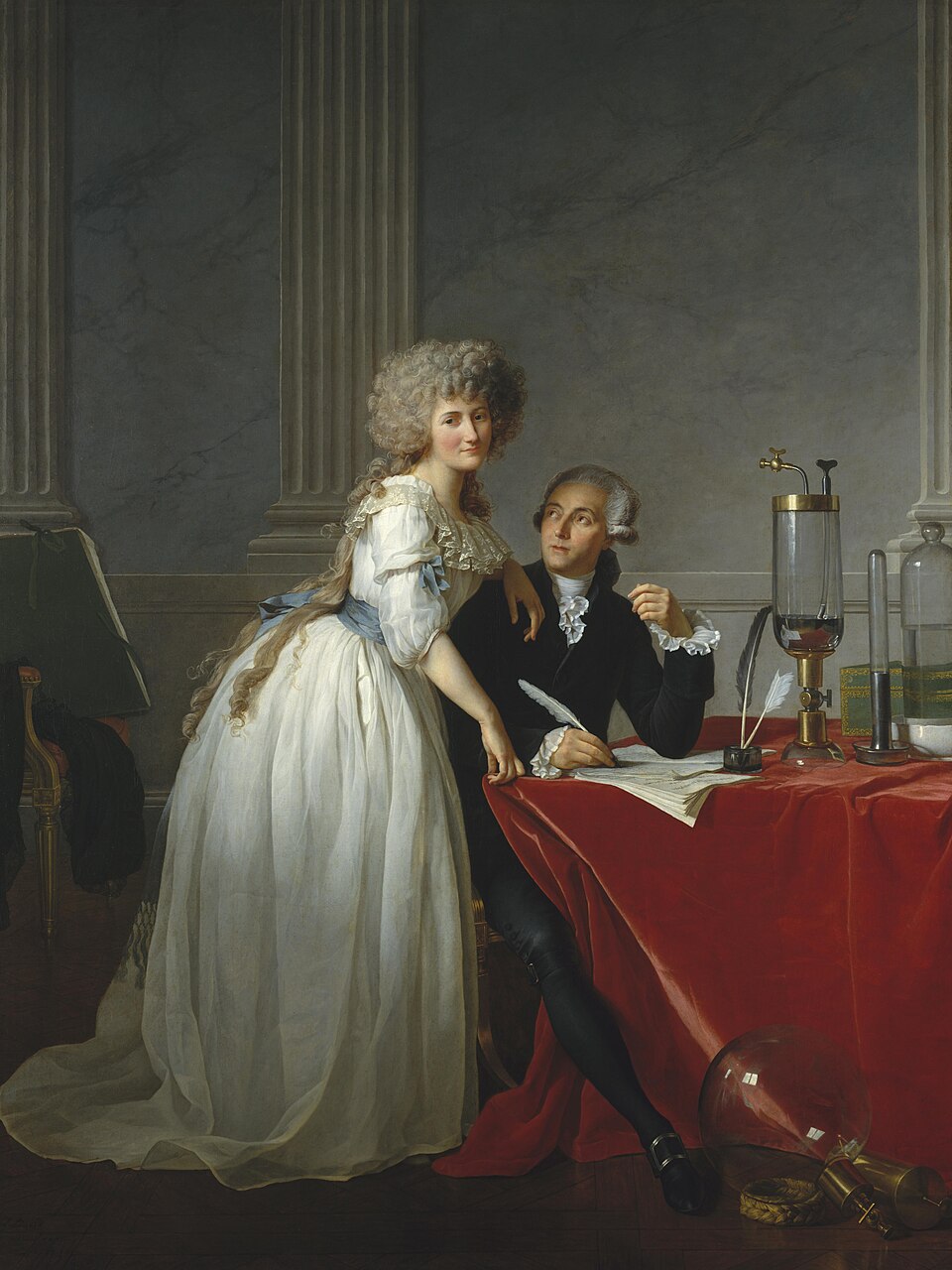
The 18th century marks a decisive turning point in the history of Paris and the world. It was the era when the city emerged as the beacon of the "Enlightenment." This intellectual movement would shake all of Europe and directly lead to the Revolution of 1789 and the fall of the French monarchy.
The Age of Enlightenment was a cultural, philosophical, literary and scientific movement that flourished in Europe during the 18th century. It is generally considered to span from 1715, the year of Louis XIV’s death, to 1789 and the French Revolution. It thus unfolded under the reigns of Louis XV and Louis XVI. It also spread across Europe and to the United States with the American War of Independence.
Between 1715 and 1789, the French capital became the stage for an unprecedented cultural ferment, where philosophers, writers and artists redefined the boundaries of thought, politics and the arts.
Note: at the end of the text you will find
1/ A photo gallery related to the article
2/ Your Bonus: 5 essential tips to help you plan and make the most of your stay in Paris
Principles and values of Enlightenment thought
The principles developed by the Enlightenment could only clash with the Ancien Régime, where the king held absolute divine right. The differences in values and ideas were so profound that they could only lead to a cataclysm. This was the 1789 Revolution and its excesses(1).
Reason as a guide: The use of reason, critical thinking, observation, and experimentation must dispel the darkness of ignorance, prejudice, and religious intolerance.
Freedom and equality: Defense of fundamental rights, freedom of expression, freedom of conscience, and equality before the law for all.
Critique of absolutism: Rejection of monarchical despotism by divine right and of the class-based society (clergy, nobility, third estate).
Separation of powers: Theorized notably by Montesquieu to guarantee political freedom.
The pursuit of earthly happiness: The idea that man can improve his condition and society on Earth through progress and education, rather than focusing solely on salvation in the afterlife.
(1) To read alongside this article to fully understand the Revolution:
1/ Death of Louis XVI on the guillotine at just 39 years old
2/ Louis XVI’s Final Days: A Family in Anguish
3/ Franco-American Alliance of 1778, Independence, Louis XVI
4/ Marie-Antoinette’s Legacy: Scandal, Myth, and France’s Divided Memory
5/ Marie-Antoinette: Trial, Accusations, and Tragic Execution
6/ Queen’s necklace affair: everything you need to know
7/ Famous guillotine victims of the Revolution: their stories
8/ The guillotine: history, invention and Paris’s executioner
A Century That Awakens Consciences
It is in the literary salons, the lively cafés, and the prestigious academies that the ideas shaping the French Revolution are forged, while simultaneously transforming the city itself. Paris in the 18th century was also a metropolis under construction, where medieval alleyways gradually gave way to majestic squares, tree-lined boulevards, and opulent private mansions.
Under the vision of daring architects, the city took on a new face long before Baron Haussmann’s 19th-century transformations. Bold architects blended classical elegance with urban innovation.
Yet behind this aristocratic splendor lay a starker reality, where the people’s hardship coexisted with the elite’s luxury. Dive into this captivating era, where every stone of Paris tells a story, and where the ideas of Voltaire and Rousseau changed the course of history. Welcome to the golden age of the Enlightenment, where Paris shines in all its glory.
Paris, Intellectual Capital of the Enlightenment: Salons, Cafés, and Academies
In the 18th century, Paris became the beating heart of the Enlightenment, a movement that revolutionized European thought.
The city transformed into a true laboratory of ideas, where philosophers, writers, and scholars gathered to debate the major issues of their time.
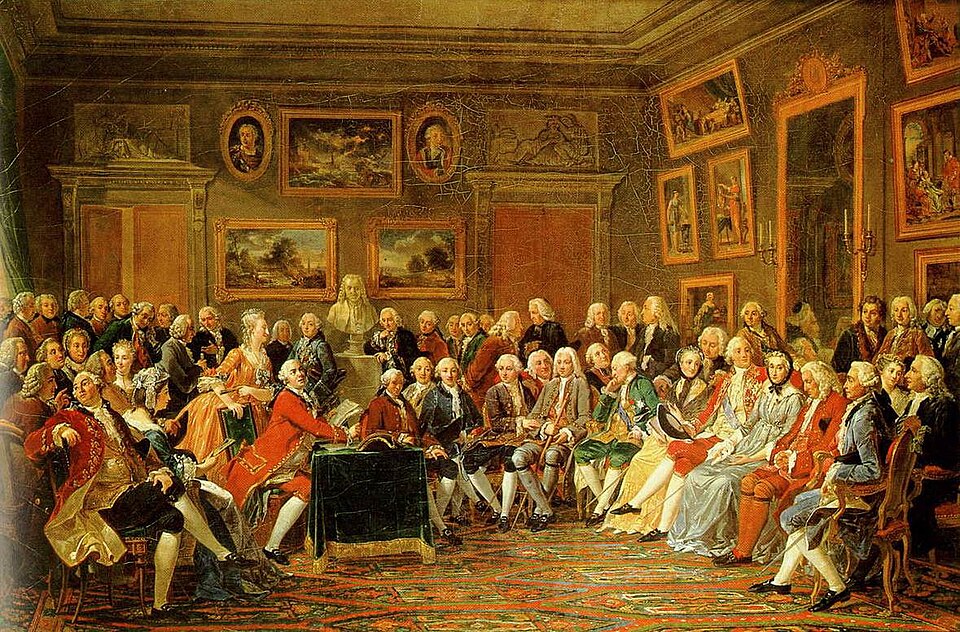
The literary salons, hosted by influential women such as Madame Geoffrin or Julie de Lespinasse, played a key role. These refined venues, often located in the grand townhouses of the Saint-Germain-des-Prés district, welcomed brilliant minds like Voltaire, Diderot, or Montesquieu, fostering exchanges and the spread of new ideas.
Parisian cafés, such as the Procope – the oldest in the city –, became spaces of sociability where politics, science, and literature were discussed over a cup of hot chocolate or coffee. These establishments, accessible to a wider public, democratized intellectual debate.
Meanwhile, the academies (the French Academy, the Academy of Sciences) and Masonic lodges structured scholarly life, while Diderot and d’Alembert’s Encyclopédie embodied the ambition to gather and spread knowledge. Thanks to its cultural vibrancy, Paris established itself as the undisputed capital of the Enlightenment.
Revolutionary urban planning: architectural transformations and embellishments of the city
The 18th century marked a decisive turning point in Parisian urban planning, as the city underwent a metamorphosis driven by the Enlightenment and royal ambitions.
Under the reigns of Louis XV and Louis XVI, Paris became a laboratory for architectural innovations, blending classical aesthetics with functionality. The royal squares, such as Place Louis XV (now Place de la Concorde), symbolized this desire for embellishment, with their harmonious perspectives and monumental statues.
The major sanitation and public lighting projects, such as the installation of the first street lamps in 1766, transformed the city into a safer, more modern space. The boulevards, laid out on the site of former fortifications, became prized promenade spots, while bridges like the Pont Neuf (already iconic) were renovated to ease traffic.
To discover other architectural gems from this era, explore our guide to Paris’s most beautiful bridges or delve into the history of its royal squares. These transformations laid the foundations for the City of Light we know today.
Daily life in Paris: between aristocratic splendor and popular hardship
The 18th century in Paris is marked by a striking contrast between the opulence of the elite and the precarity of the common people.
On one hand, the aristocracy and wealthy bourgeoisie lead a lavish lifestyle, punctuated by sumptuous balls, refined dinners, and strolls through royal gardens. Such as those in the Tuileries or the Palais-Royal. The grand townhouses of the Marais or Saint-Germain-des-Prés become hubs of social life where philosophy, fashion, and the arts are debated, while theaters like the Comédie-Française draw crowds eager for entertainment.
On the other hand, most Parisians live in difficult conditions. The narrow and unsanitary streets of the city center are home to a working-class population crammed into dilapidated housing. Grueling trades, such as those of the water carriers or washerwomen, coexist with begging and crime, fueled by poverty. Revolts, like those of the bread riots (linked to the price of bread), highlight this social tension that foreshadows the Revolution. Paris, the city of the Enlightenment, remains a reflection of the inequalities of its time.
The emblematic figures of the century: Voltaire, Rousseau and other Enlightenment thinkers
The 18th century in Paris is marked by brilliant minds who shaped modern thought.
Voltaire
Among them, Voltaire (1694–1778) embodies intellectual commitment and biting satire. Based in Ferney, near the Swiss border, he writes major works such as Candide (1759) while defending just causes, like that of the Protestant Calas. He champions religious tolerance and freedom of expression. His influence extends far beyond Parisian salons, where his caustic wit makes a sensation.
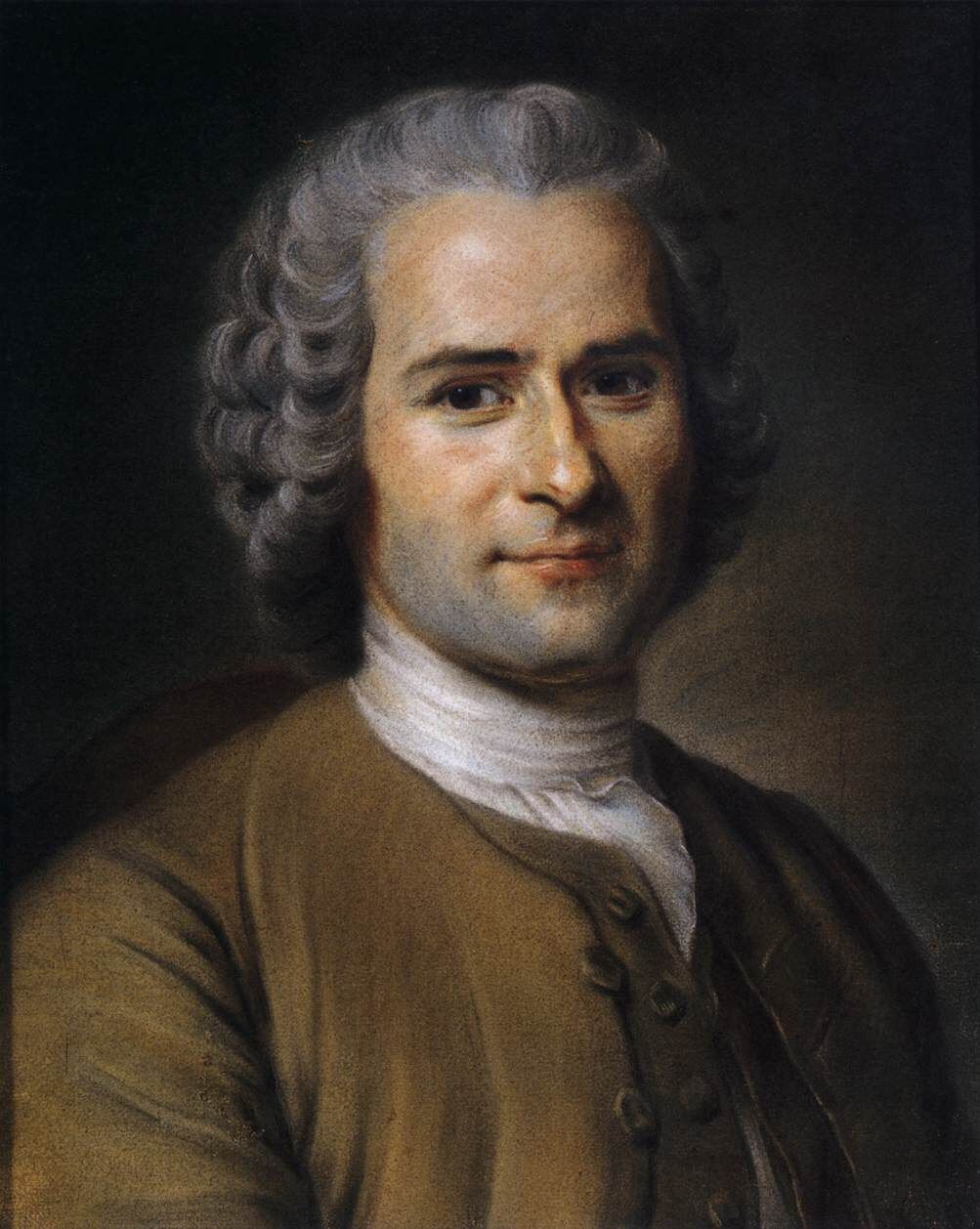
Jean-Jacques Rousseau (1712–1778)
He upends conventions with his ideas on education (Émile) and society (Du Contrat social). He is the thinker of social contract and popular sovereignty (Du contrat social, 1762). His Parisian journey, between hardship and glory, reflects the contradictions of his time.
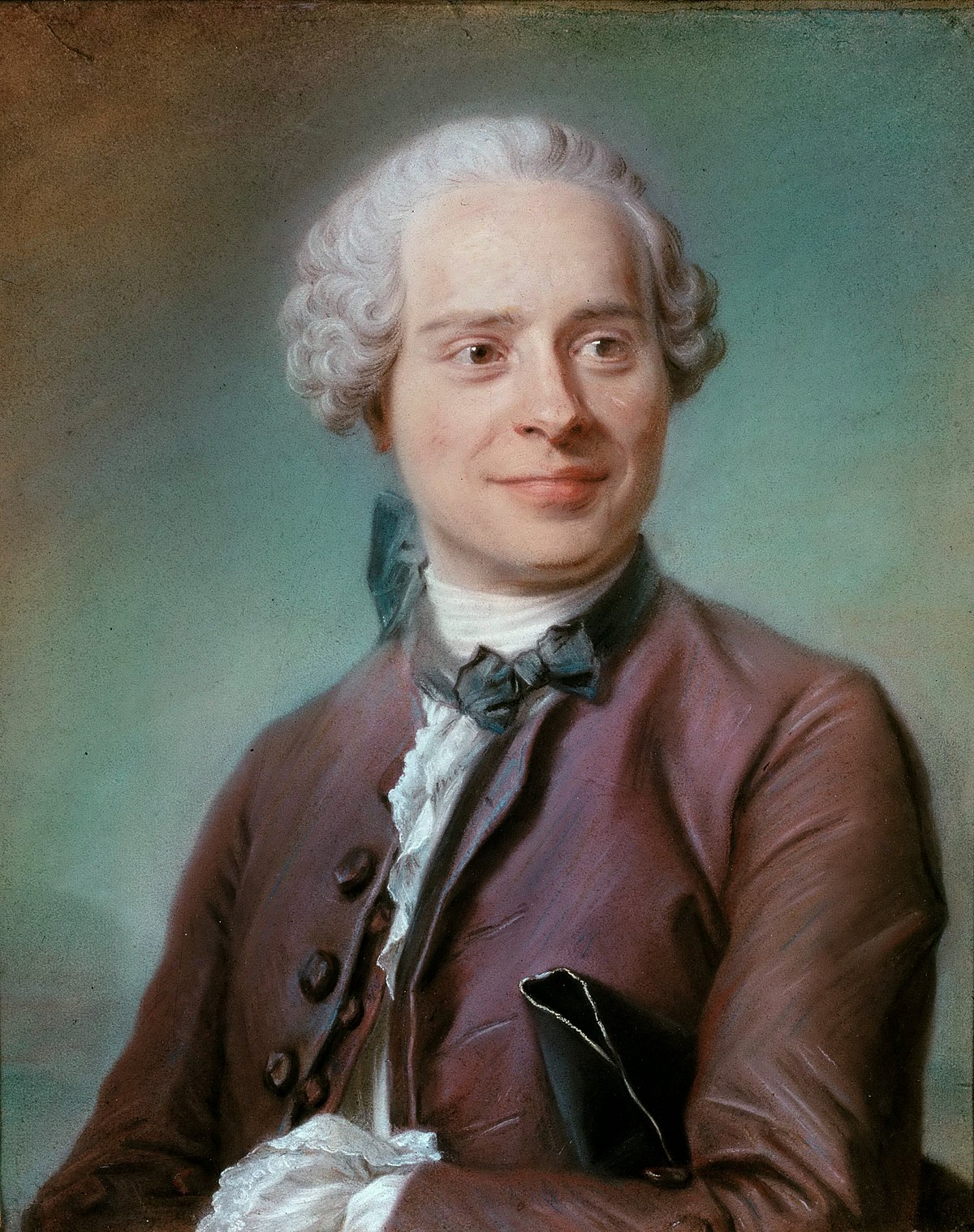
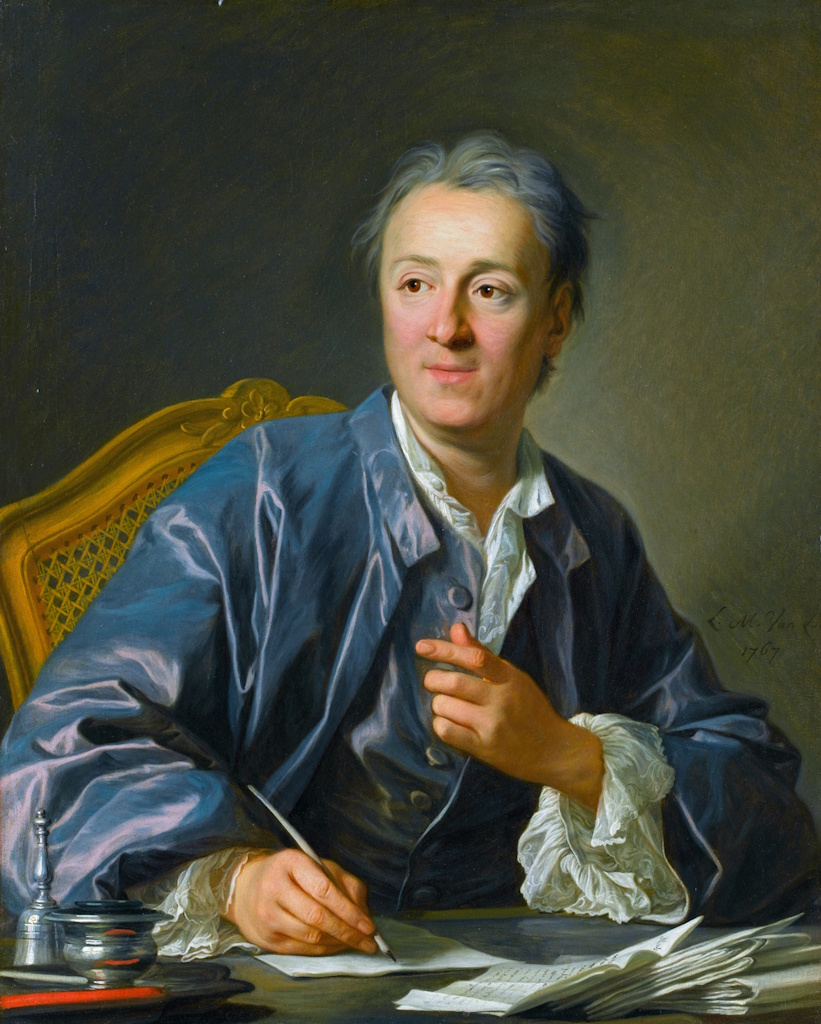
Denis Diderot (1713–1784) and Jean le Rond d'Alembert (1717–1783)
Other figures like Diderot and mathematician d’Alembert are directors of L’Encyclopédie (published between 1751 and 1772). The aim is nothing less than to gather and disseminate the sum of human knowledge.
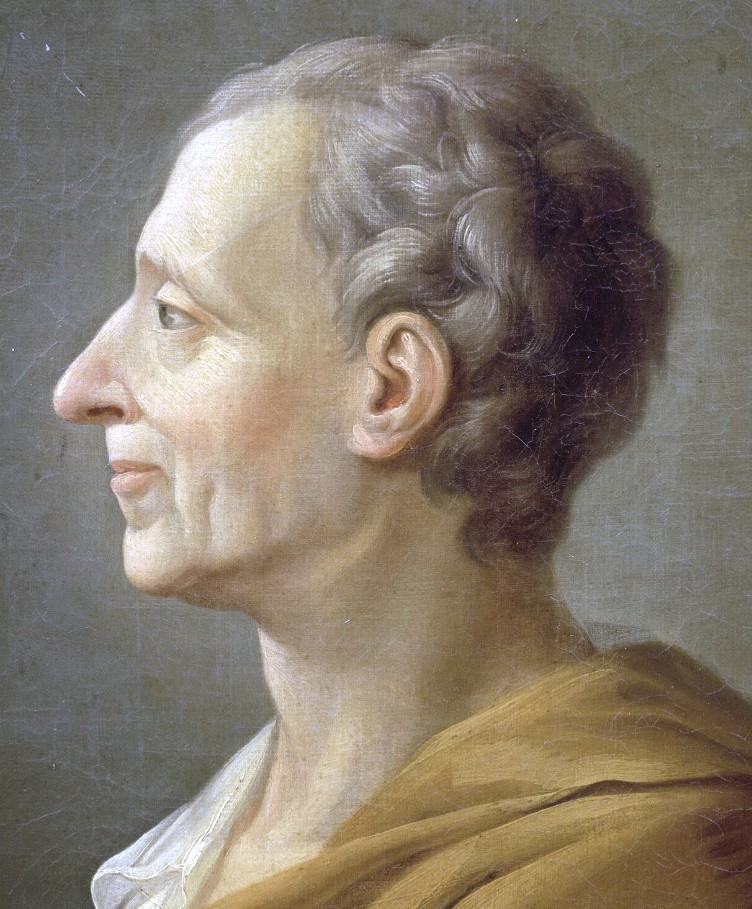
Montesquieu (1689–1755)
He pioneers the analysis of political institutions (De l’esprit des lois, 1748). Author of Lettres persanes, they help make Paris the beating heart of the Enlightenment.
These philosophers, through their writings, struggles, and often heated debates in literary salons, laid the groundwork for the political and social revolutions to come in 1789. They sometimes had to hide or go into exile (like Voltaire in Ferney, near the Swiss border).
Bonus: 5 essential tips to help you plan and enjoy your stay in Paris
Did you notice that our website offers tools to help you easily organize your trip to Paris so that your stay is a stress-free success?
1. Phrasebook Translator for those who don’t speak French fluently
Having trouble finding the right word or expression in French? Click here on PHRASEBOOK – or in the top right corner of your screen. It’s a lexicon of 100 useful words and/or expressions for a tourist visiting Paris. You’ll feel at ease in restaurants, hotels, shopping, the metro, greetings, asking for directions, and more. Eight languages are available. And guess what? You can also listen to each word and expression in French.
2. VPBY’s Stay Generator
There are many interesting and educational things to see in Paris. A well-organized stay is highly recommended. To help you, we offer you FREE OF CHARGE our Stay Generator.
In 5 minutes and 5 clicks, you get your half-day-by-half-day visit schedule. And on top of that, all reservations—if you want, with no obligation—for the sites you wish to visit. Booking for your transport (plane, train, or car), and your accommodation are also included. Even suggestions for valuable gift souvenirs for you, your friends, and your family.
How does it work?
Click on "Paris Trip Organizer"—completely free—which will save you the hassle of trying to see as much as possible in the shortest time. Then you’ll need to make your choices:
1/ Choose your "general interests" by clicking on the list (Museums, Churches, Monuments, Parks, etc.);
2/ The VPBY Stay Generator will then return all relevant listings for you;
3/ You select by clicking on the names of the museums, monuments, parks, or activities you wish to include;
4/ The organiser will return your itinerary for each day of your stay;
5/ with geographical optimisation of daily visits—if you so desire—to avoid tedious and tiring travel.
This is done in 5 clicks and just 3 minutes. And it’s completely free. To use it, click on "Paris Stay Organiser".
Note: want to know what users of the VPBY Stay Generator think of their experience? Click on "They created their trip with VPBY"
3. List of Reservations to Make
You have free access to our database to "discover" Paris (Click on Paris Guide) and learn about Paris (Click on Places to Visit). And to avoid wasting time waiting in line, we recommend making your reservations directly online a few days in advance. All official reservations are available and useful on our website:
Reservations to enter museums, monuments, shows, and Seine cruises
Reservations for your arrival in France: flights, trains, cars
Reservations for your accommodation: hotels, apartments, guesthouses – in Paris or nearby
You will find links for all these reservations directly in the articles about the tours that interest you or on the self-guided routes of our walks. By clicking on "Reservations" in the header bar, you will have access to all the reservations you need during your stay. For example:
Notre-Dame de Paris entry reservation (Free entry but reservation recommended to avoid queues)
Book tickets for Château de Versailles: Entry + Access to the Gardens + Trianon Estate
4. Bring Home a Collection of Paris Souvenir Photos
These are high-definition collectible photos available in digital format or as long-lasting prints (75 to 100 years). Their size ranges from postcard to large format (1m square or more). A lifelong keepsake to decorate your home. Quality souvenirs (unlike the typical plastic Eiffel Tower or snow globe). At very affordable prices. Click on:
5. Return with a personalized photo report of your stay in Paris
Professional photographers reportage in Paris at locations of your choice or suggested by us. A "family" reportage, wedding, other events. From 1 hour to a full day. The best quality/price ratio. Click on: