Paris, the City of Light. Yet its history conceals dark, bloody shadows. The guillotine is one of its most striking.
Symbol of the French Revolution, this machine left its mark on minds—and severed heads. It also left its scars on the cobblestones of the capital.
Note : at the end of the text you will find
1/ A photo gallery linked to the article
2/ your Bonus: 5 essential tips to help you organize and enjoy your stay in Paris
The guillotine: a spectacle
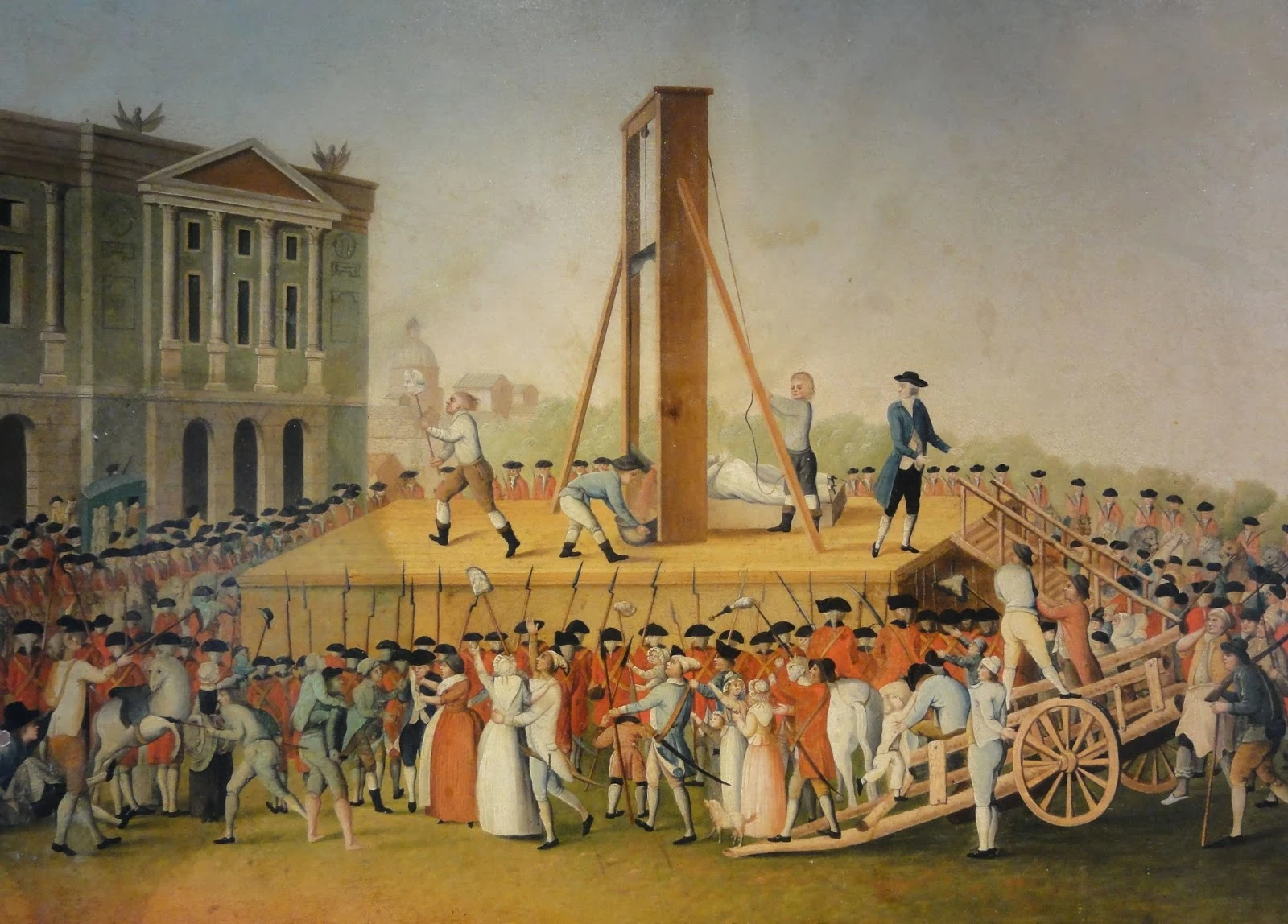
Imagine Place de la Concorde, once known as Place de la Révolution. A blade falls. A sharp crack. The crowd holds its breath. The guillotine was more than a tool—it was a spectacle. A macabre ritual that both fascinated and horrified.
Why was this invention created? Who came up with it? And above all, how many lives did it claim? These questions still haunt the streets of Paris and the Place de l’Hôtel de Ville. This is where it all began.
Origins of the idea behind the guillotine
Under the Ancien Régime, the method of execution depended on the condemned person’s social rank. Nobles were beheaded with a sword or axe (a death considered “noble” and swift), while commoners were hanged, broken on the wheel, or burned alive. These were long and agonizing punishments, varying according to the executioner’s skill—which was far from consistent from one town to another (each major city had its own executioner).
In 1789, France was in the throes of the Revolution. The Enlightenment’s ideas were challenging the established order. Equality and justice became central values. Yet execution methods remained barbaric and unequal. The death penalty had to evolve to reflect the new revolutionary principles of egalitarianism. The guillotine would also embody the era’s scientific rationality.
The guillotine was not born out of whim. It responded to an urgent need. A penal reform amid the revolutionary turmoil. Its creator, Dr. Guillotin, sought to humanize the death penalty. A cruel irony: his name became synonymous with terror.
Ready to dive into this chilling history? Follow us. We’re taking you on the trail of a machine that changed France. And that turned Paris into the stage for one of the darkest chapters in its history.
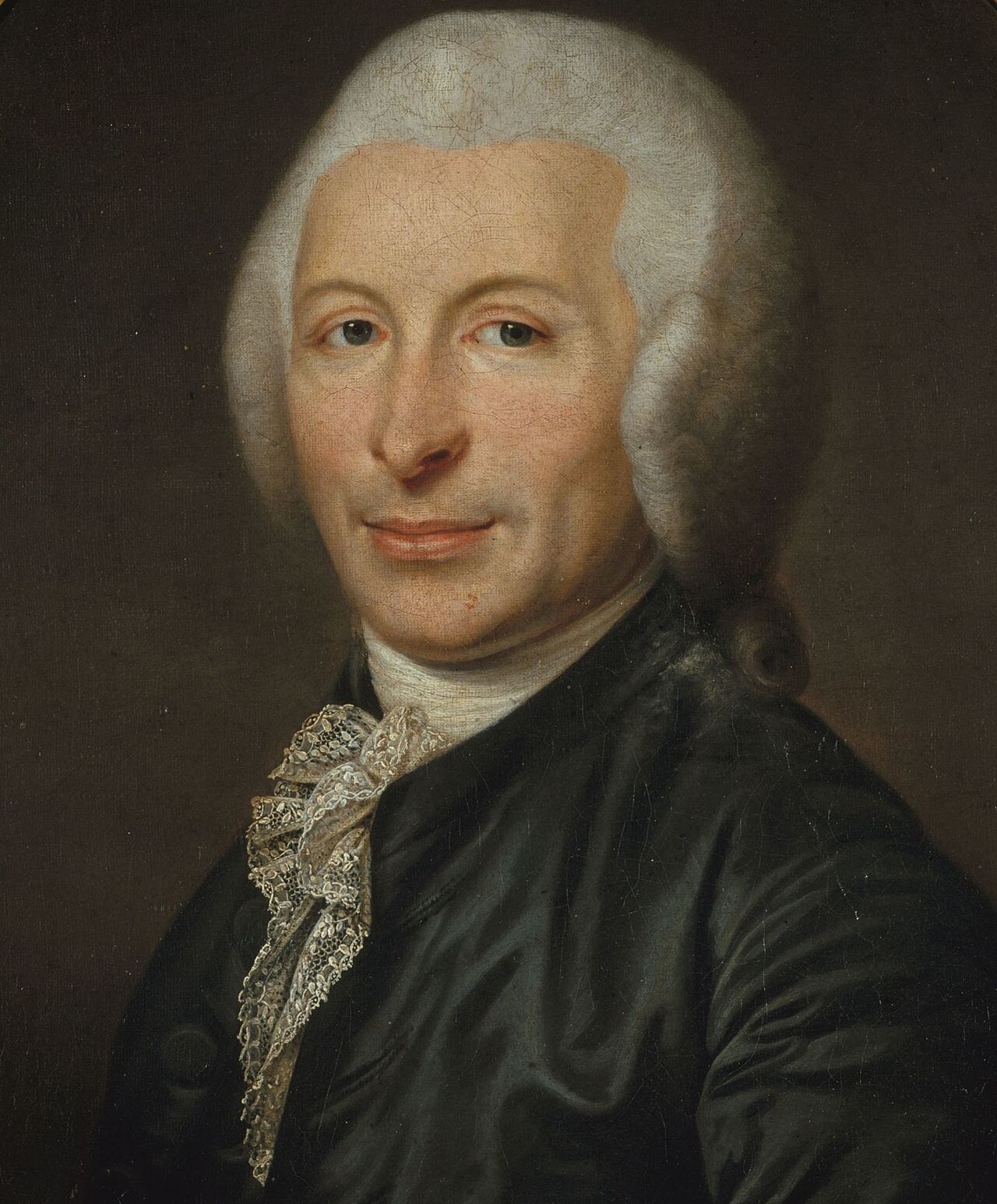
Who was Dr. Joseph-Ignace Guillotin?
Joseph-Ignace Guillotin was born on May 28, 1738, in Saintes, Charente-Maritime. The son of a lawyer, he initially pursued the priesthood before turning to medicine. His studies led him to Paris, where he became a renowned physician. Guillotin distinguished himself through his humanist commitment, a core value of his career.
In 1789, he was elected deputy of the Third Estate to the Estates-General. He represented the city of Paris and championed progressive ideas. His fight for equal rights placed him at the heart of the French Revolution. He notably advocated for the abolition of privileges and a fairer justice system.
Guillotin was also a pragmatic scientist. He focused on penal reforms and proposed solutions to modernize executions. His name remains associated with the machine that bears his name, even though he did not invent it. His role was limited to promoting the idea in order to humanize the death penalty.
The invention of the guillotine: the follow-up to Dr. Guillotin’s humanitarian idea
On October 9, 1789, Doctor Joseph-Ignace Guillotin, a deputy in the National Constituent Assembly, proposed a reform of criminal justice. He called for the death penalty to be the same for all and as painless as possible. His idea was to use a machine to avoid the human errors of executioners.
This idea was humanitarian, rooted in the principle of equality among men, and had nothing to do with the Terror that began four years later in 1793 (officially September 5, 1793, when the National Convention placed the Terror on the agenda—it ended July 28, 1794 with the execution of Maximilien de Robespierre on 9 Thermidor, Year II). Without making a pun, this idea of a decapitation machine also became revolutionary!
The development of the guillotine
The law mandating decapitation for all crimes is passed in 1791. The challenge is then to design the device with no prior reference or experience. The project is entrusted to:
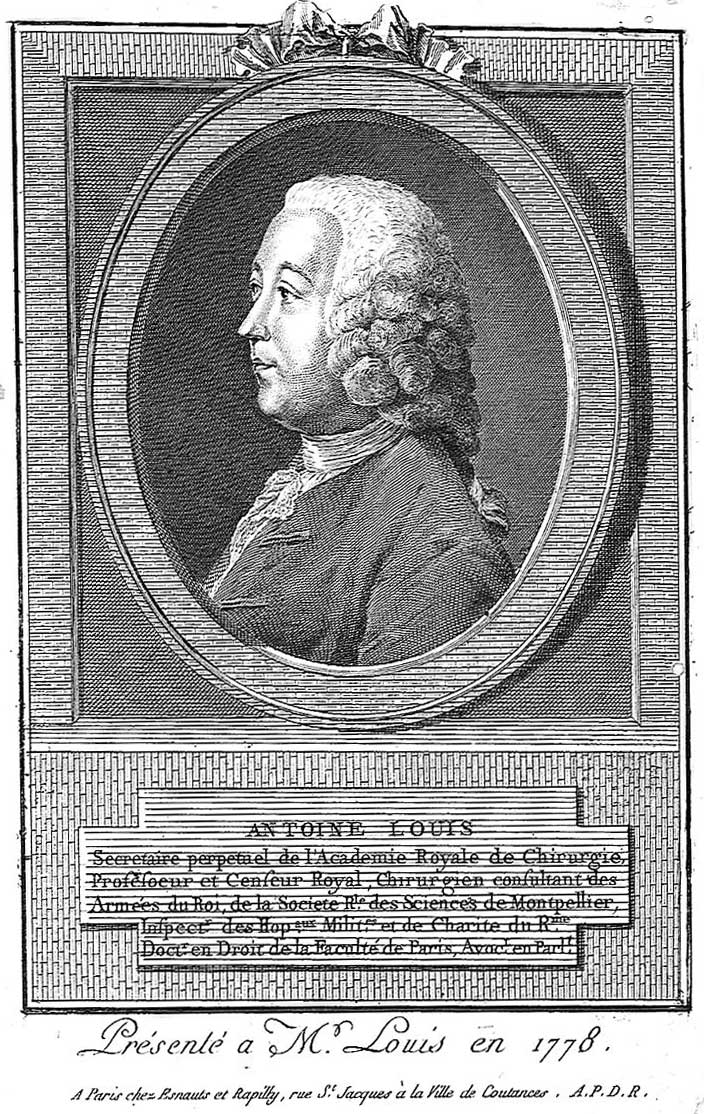
Doctor Antoine Louis. He is the Permanent Secretary of the Academy of Surgery. It is he who designs the precise plans for the machine (originally called the "Louisette" or "Louison" after Dr. Louis' name).
Tobias Schmidt: A German harpsichord maker based in Paris, who crafts the very first prototype. He has the idea of tilting the blade at a 45-degree angle (beveled shape) so that the edge cleanly severs the neck, rather than using a crescent-shaped blade that crushed the flesh. The first guillotine cost 960 livres, later negotiated down to 824 livres for subsequent models intended for the provinces.
Charles-Henri Sanson was then the executioner of the city of Paris. He was consulted as a technical expert. He was apparently a highly skilled professional.
He wrote a crucial report explaining the limitations of manual decapitation by sword. He pointed out that the sword quickly becomes blunt, that the executioner’s gesture could falter under fatigue or stress, and that the condemned suffered unnecessarily while waiting for the blow. He actively participated in testing the guillotine prototype on cadavers at the Bicêtre hospital alongside Doctor Antoine Louis.
Early trials of the guillotine: tests and controversies
The guillotine was not adopted without debate. The first tests took place in April 1792. Executioner Charles-Henri Sanson oversaw the trials. The machine was first tested on live sheep, then on cadavers at the Bicêtre hospital, before its first official use on 25 April 1792. Corpses of condemned individuals served as test subjects. The machine had to prove its effectiveness.
At first, the results were mixed but were quickly corrected. The blade did not always cut cleanly. Some bodies remained partially attached. The shocked spectators criticized the method. Yet the National Assembly stood by its choice. The goal was clear: a swift and “humane” execution.
The controversies did not end there. Doctors like Antoine Louis were accused of cruelty. Their detractors denounced a machine too mechanical. Yet the guillotine became the symbol of the Revolution. Its first official use took place on April 25, 1792. Louis XVI would later become its most famous victim. Marie Antoinette as well.
Paris, already accustomed to public executions, adopted this new ritual. The Place de Grève (now Place de l’Hôtel-de-Ville) served as its stage. The Parisians quickly grew used to this macabre spectacle. The guillotine, designed to be “egalitarian,” became a political tool. Its use soon spread beyond the capital’s borders.
The first condemned: Nicolas Jacques Pelletier
Nicolas Jacques Pelletier was not a political prisoner, but a common criminal. In October 1791, he had been arrested for assaulting a man with a stick in order to steal his assignats (the currency of the time). Sentenced to death for violent theft in a public place, his execution was postponed for several weeks while the new machine was built, tested, and made ready to operate.
A public execution that disappointed the crowd
Nicolas Pelletier’s execution took place at Place de Grève (now Place de l’Hôtel de Ville) at 3:30 PM, under the direction of the famous executioner Charles-Henri Sanson.
The novelty of the machine had drawn an enormous crowd, eager to see this new device in action, which the press had been raving about. However, the event left the spectators deeply disappointed:
A baffling speed. Unlike the old methods of execution (such as breaking on the wheel or hanging), which lasted for hours and provided a “spectacle,” Pelletier’s execution was over in a fraction of a second.
The public's reaction. Disappointed by this lack of spectacle, the crowd booed the executioner and began to chant: “Give me back my wooden gallows, give me back my gallows!”
The dawn of a new era in the practice of capital punishment
Despite the public's reaction, political and judicial authorities deemed the trial a complete success. The machine had just proven its efficiency, speed, and compliance with the 1791 law, which required an instantaneous and equal death for all.
A few months later, with the onset of the Terror, the guillotine would leave the Place de Grève for other Parisian squares and become the central (and bloody) symbol of the Revolution.
The invention of the guillotine and the escalation of the death penalty during the Terror
The question arises: could the invention of the guillotine have amplified the effects of the Terror?
The Reign of Terror lasted from March/September 1793 until the fall of Maximilien de Robespierre on July 27–28, 1794—about a year in total. In Paris, roughly 3,000 people were beheaded in around 400 days. That’s an average of nearly 10 executions per day. Could Sanson and his team, who handled executions in Paris, have maintained such a pace if they had been forced to use an axe?
It’s far from certain. Each execution required preparation and followed a strict protocol. How could the executioner (or his assistant) have performed the task—demanding both focus and precision—two or three times a week for dozens of condemned men? The sheer volume of sentences handed down by the courts would, it seems, have been impossible to carry out.
The leading authority on the subject, Charles-Henri Sanson, even wrote in his 1791 memoir, commissioned by the National Constituent Assembly, “that the sword quickly grows dull, and the executioner’s hand may falter under fatigue or stress.” Indeed, Charles-Henri Sanson retired in September 1795, openly expressing his deep revulsion and unease at the violence of his work—even after the adoption of the guillotine, which was supposed to be “cleaner and faster.”
Of course, without the invention of the guillotine, the human race would certainly have found an alternative solution. This is so true that in Lyon, during the Terror, the single guillotine was no longer sufficient for the task. A more expeditious method was then devised: prisoners were chained together and shot at point-blank range with a cannon into the assembled crowd. The first large-scale volley took place on December 4, 1793 (60 prisoners). The most significant occurred a few days later, resulting in the deaths of more than 200 people at once.
What became of the figures in these tragedies?
A painful reputation for Dr. Guillotin: between legend and historical reality
Dr. Joseph-Ignace Guillotin never wanted his name associated with the deadly machine. Yet history decided otherwise. His fate remains marked by cruel irony. He advocated for a more humane execution, but his invention and his name became a symbol of terror.
Contrary to legend, Guillotin was not guillotined. However, it is true that he was imprisoned in 1794 during the Terror. He had opposed the persecution of certain medical colleagues and incurred the wrath of the revolutionary authorities. He owed his freedom only to the fall of Robespierre.
He died of old age in 1814, at the age of 76. An untreated infection in his shoulder brought about his end. Yet a persistent rumor claimed he had perished under his own machine. This false belief persisted for decades.
His name remained tied to the guillotine despite his protests. In 1792, he even tried to have the device renamed. Without success. Posterity has kept the term "guillotine," nearly erasing his fight for a more merciful justice. A posthumous injustice for this humanist physician.
Guillotin lived long enough to see his machine used on a massive scale. He helplessly witnessed the radicalization of the Revolution. His ideal of equality in death became an instrument of repression. A painful paradox for this man of the Enlightenment.
After the Revolution, Guillotin continued his medical career. He took part in the fight against epidemics and worked to improve sanitary conditions. His legacy extends far beyond the guillotine. He died in 1814, leaving behind the image of a man committed to progress.
His family officially asked the government to change the machine’s name. The state refused, as the term "guillotine" had become too deeply ingrained in public habits.
It was ultimately the Guillotin family who chose to change their family name to sever all ties with the instrument of death once and for all. They simply requested and obtained permission from the French government to revert to the mother’s maiden name, Martin, or to modify their surname by branch so as not to carry the name "Guillotin" any longer.
The most famous executioner in French history: Charles-Henri Sanson
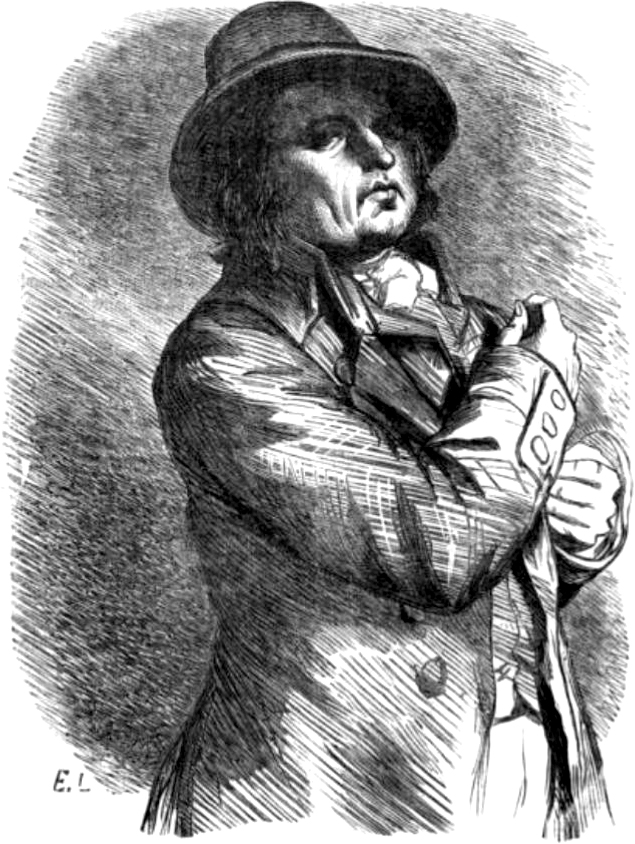
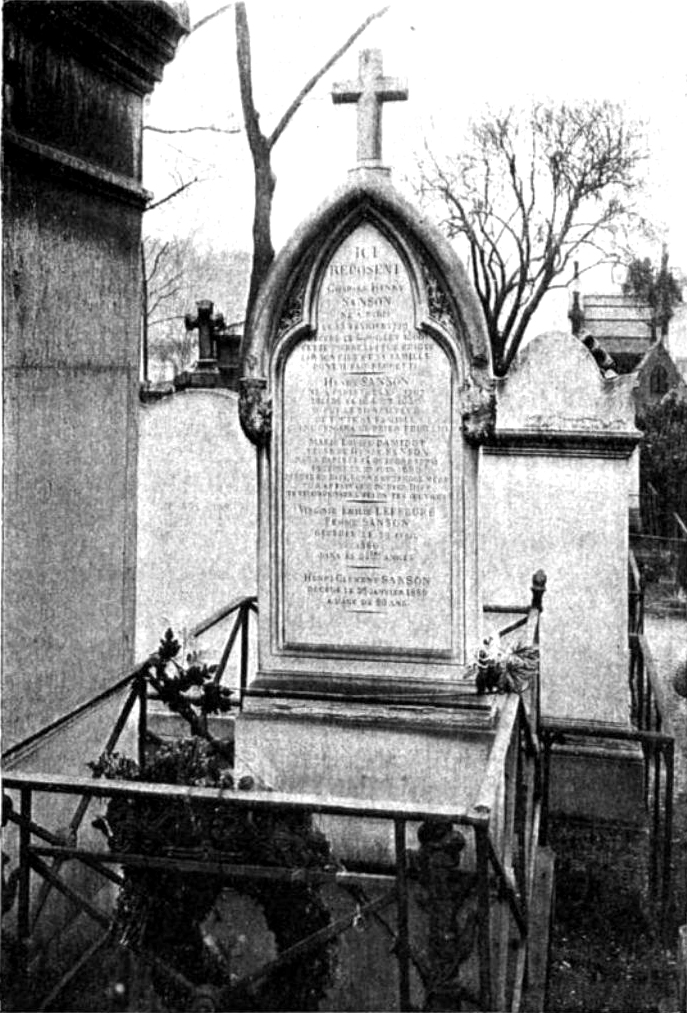
Charles-Henri Sanson is the most famous executioner in French history. As the chief executioner of criminal sentences in Paris from 1778 to 1795 and dying in Paris in 1806, he witnessed and played a leading role in the beheadings during the Revolution and the transition from the punishments of the Ancien Régime to the advent of the guillotine.
During the French Revolution, he carried out nearly 3,000 executions, shifting from the role of the King’s executioner to that of the Republic’s executioner. He was the executioner of Louis XVI and Marie-Antoinette, as well as many revolutionaries such as Danton and Robespierre.
The heir of a dynasty of executioners
In the Sanson family, the profession of executioner is a family affair. Charles-Henri represents the fourth generation of a dynasty that would preside over Parisian executions for two centuries.
Excluded from society, forbidden from marrying outside the executioner families, and living as outcasts rejected by the population, the Sansons performed their duties out of social and economic obligation. Charles-Henri was a cultivated man, an amateur cellist, pious and paradoxically highly sensitive, who lived on his property in Montmartre or at his country house in Brie-Comte-Robert (Seine-et-Marne - 77710).
The Terror’s civil servant
During the period of the Terror (1793–1794), Sanson’s role changed drastically. It was a true career shift. From a handful of executions per year under the Ancien Régime, he went on to manage executions at an industrial pace. He had to oversee dozens of condemned prisoners each day.
It was he who beheaded Louis XVI, Marie-Antoinette, and nearly 3,000 less famous individuals (See URL)
The evolution of the executioner’s profession in Paris: from medieval hangmen to guillotine technicians
The profession of executioner in Paris dates back to the Middle Ages. At the time, executioners were often outcasts. Their role? To carry out corporal or capital punishments. They lived on the fringes of society, feared and despised. Their work was brutal, improvised, and lacked precise rules.
Under the Ancien Régime, the executioner became a civil servant. Appointed by the king, he received a salary (1). His status improved, but he remained isolated. Executions took place in public, in squares such as Île de la Cité or Place de Grève (Place de l'Hôtel de Ville). Methods varied: hanging, drawing and quartering, burning at the stake… Death was slow and agonizing.
The French Revolution changed everything (2). The guillotine, a symbol of equality in death, standardized executions. The executioner became a technician, tasked with mastering the machine and ensuring a swift death. The Sanson family, executioners since the 17th century, dominated the profession. Their expertise was crucial to avoid mishaps.
In the 19th century, the profession became even more professionalized. Executioners were trained and equipped. Their role? To ensure a clean execution, free from unnecessary suffering. The guillotine, refined, became a precision machine. Yet, stigma persisted. Executioners remained controversial figures, caught between necessity and revulsion.
The evolution of the executioner reflects that of justice itself. From a medieval hangman to a revolutionary technician, his profession has spanned centuries. Today, his story fascinates as much as it horrifies. A dark legacy, yet inseparable from Paris.
(1) Charles-Henri Sanson’s income before the Revolution: 3,000 livres per year—around €9,000.
He was also paid “per act”: For a hanging: Approximately 30 to 40 livres. For a beheading by sword (a noble’s privilege): Around 60 livres (the highest fee, as the act required great skill and the purchase of costly weapons). For the wheel or quartering: Up to 100 livres or more, due to the duration of the torture and the number of assistants required. For minor punishments (the pillory, flogging, or branding): Between 10 and 20 livres per condemned person.
(2) Salaried position during the Revolution (from 1792): With the adoption of the guillotine and the equalization of punishments, the Constituent Assembly abolished the old pay-per-act system. Charles-Henri Sanson became a state civil servant:
A fixed annual salary: As the chief executioner of Paris, his remuneration was set at 10,000 livres per year (a considerable sum for the time).
Operating costs: The state allocated him an additional budget (around 20,000 to 30,000 livres, depending on the period of the Terror) to cover the maintenance of the guillotine, the salaries of his eight assistants, the costs of the carts, and the construction of the scaffolds.
How many times was the guillotine used in Paris? Key figures and iconic locations
Paris was the main stage for guillotine executions. Between 1792 and 1977, the machine severed thousands of heads. Exact figures vary by source, but it is estimated that over 2,500 executions took place in the capital.
Place de la Révolution (now Place de la Concorde) was the first iconic site. It was here that Louis XVI lost his head in 1793. Discover the king’s final days before his execution.
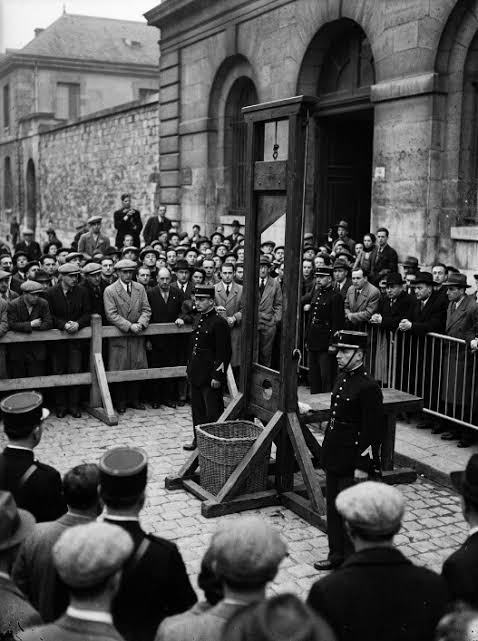
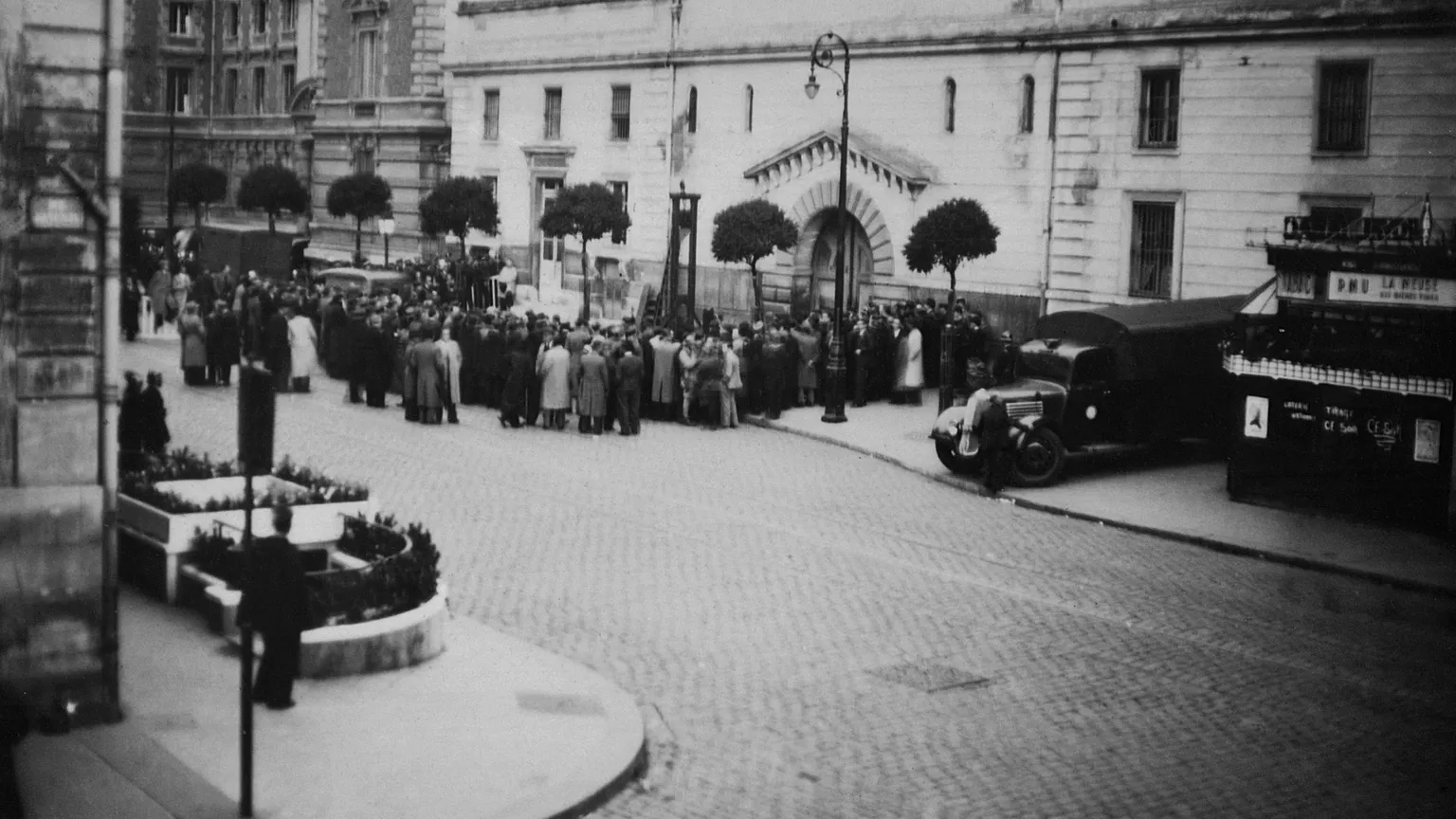
Place de Grève (now Place de l’Hôtel-de-Ville) also hosted executions. Then, in 1832, the guillotine was moved to Place de la Roquette. This site remained active until 1939. The last public executions took place here.
La Santé prison took over in 1939. Executions then became private. The last one occurred in 1977 at Baumettes prison in Marseille. Since then, the guillotine has vanished from the French judicial landscape. Its legacy, however, remains etched in Parisian history.
To explore other sites steeped in history, take a stroll on the Île de la Cité. There, you’ll discover centuries of fascinating stories.
The guillotine in France: national tally and the end of an era
The guillotine left a lasting mark on French penal history for nearly two centuries. A symbol of the Revolution, it remained in use until 1981. The toll is chilling: over 10,000 executions in France. Paris accounts for a large share, but other cities also used it.
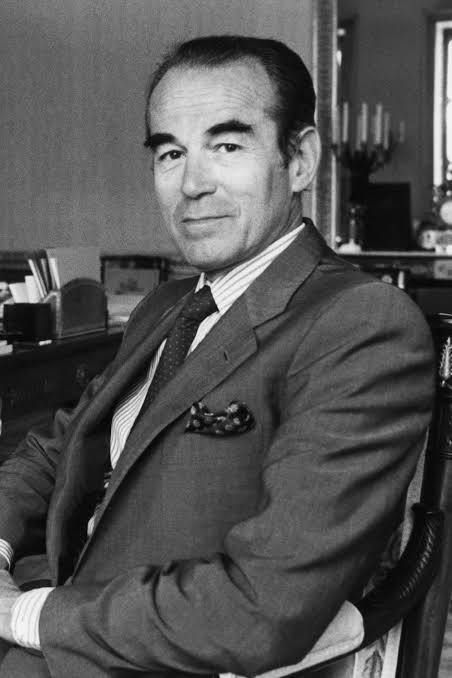
The last few decades have seen its decline. Public executions ended in 1939. The last execution in France took place in 1977 at the Baumettes prison in Marseille. Hamida Djandoubi, convicted of murder, was the last to face this punishment. The death penalty was abolished in 1981 under François Mitterrand.
Today, the guillotine is nothing more than a historical relic. Some Parisian sites still evoke its bloody past. Invented in the name of a "humane" death, it ultimately gave way to the evolution of human rights.
The end of the guillotine coincides with the end of an era. It leaves behind a controversial legacy. Between progress and barbarism, its history still raises questions. To learn more about Paris’s iconic landmarks, explore our must-sees.
To discover other key figures in Parisian history, explore the final days of Louis XVI, a similarly turbulent period. Or dive into the history of Paris with a stroll along the Île de la Cité.
To discover other historic sites in Paris, explore the Île de la Cité, the cradle of medieval justice.
Bonus: 5 essential tips to help you plan and enjoy your stay in Paris
Paris is certainly much less daunting than it was during the Terror. To help you forget that inhuman period and make the most of your stay, we’ve outlined below a simple, professional method for organizing your visit. It’s free—so take advantage!
Have you also noticed that our site provides you with tools to help you easily organize your trip to Paris so that your stay is a stress-free success?
1. Phrasebook Translator for those who don’t speak French fluently
Do you struggle to find the right word or phrase in French? Click here on PHRASEBOOK – or at the top right of your screen. It’s a lexicon of 100 useful words and/or phrases for a tourist visiting Paris. You’ll feel at ease in restaurants, hotels, shopping, the metro, greetings, asking for directions, and more. Eight languages are available. And guess what? You can also listen to each word and phrase in French.
2. The VPBY Trip Generator
There are many interesting and educational things to see in Paris. A well-organized stay is highly recommended. To help you, we offer our Trip Generator—available to you FREE OF CHARGE.
In just 5 minutes and 5 clicks, you’ll get your half-day-by-half-day sightseeing itinerary. And what’s more, all reservations—if you want, with no obligation—for the sites you’d like to visit are included. You can also book your transport (plane, train, or car) and your accommodation, plus we’ll even suggest valuable gift ideas for you, your friends, and your family.
How does it work?
Click on “Paris Stay Organizer,” completely free of charge, and you won’t have to rack your brains to see as much as possible in the least amount of time. Then you’ll need to make your choices:
1/ You select your "general preferences" by clicking on the list (Museums, Churches, Monuments, Parks, etc.);
2/ The VPBY Trip Generator then suggests all relevant listings for you;
3/ You select by clicking on the names of the museums, monuments, parks, or activities you want;
4/ The organizer returns your itinerary for each day of your stay;
5/ with geographical optimization of daily visits—if you wish—to avoid tedious and tiring travel.
This is done in 5 clicks and just 3 minutes. And it’s completely free. To use it, click on "Paris Trip Organizer".
Note: Want to know what users of the VPBY Trip Generator think of their experience? Click on "They planned their trip with VPBY".
3. List of Reservations to Make
You have free access to our database to "get to know" Paris (Click on Paris Guide) and discover Paris (Click on Places to Visit). And to avoid wasting time in lines, we recommend making your reservations directly online a few days in advance. All official reservations are available on our website:
Reservations to enter museums, monuments, shows, and Seine River cruises
Reservations for your arrival in France: flights, trains, cars
Reservations for your accommodation: hotels, apartments, guesthouses – in Paris or nearby
You will find links to all these reservations directly in the articles about the tours that interest you or in the self-guided itineraries of our walks. By clicking on "Reservations" in the header bar, you will have access to all the reservations you need during your stay. For example:
Notre-Dame de Paris entry reservation (Free entry but reservation recommended to avoid queues)
Book your ticket for the Palace of Versailles: Entry + Gardens Access + Trianon Estate
4. Bring Home Paris Souvenir Photos from Our Collection
These are high-definition collection photos available in digital format or as long-lasting prints (75 to 100 years). Their size ranges from postcard to large format (up to 1 meter or more). A lifelong keepsake to decorate your home. Quality souvenirs (unlike cheap plastic Eiffel Towers or snow globes). At very affordable prices. Click on:
5. Take home a personalized photo report of your stay in Paris
Professional photo shoot by photographers in Paris at locations of your choice or suggested by us. A "family" reportage, wedding, or other events. From 1 hour to a full day. The best quality-to-price ratio. Click on: