13 French legends that have spanned the centuries. These tales, blending history and myths, have shaped the country’s identity. They still inspire art, literature, and even tourism today.
Who hasn’t heard of Joan of Arc or the Man in the Iron Mask? These iconic figures captivate with their mystery and heroism. They remind us that French history is also a story of dreams and challenges.
Set off to discover these 13 legends. They will take you on a journey through the ages, from the Gauls to the Enlightenment. Some have even left visible traces in Paris, such as the Opéra Garnier, linked to the Phantom of the Opera.
Ready to dive into these fascinating stories? They reveal the soul of a country where every stone tells a tale.
Vercingetorix: The First Hero of Gallic Resistance Against Rome
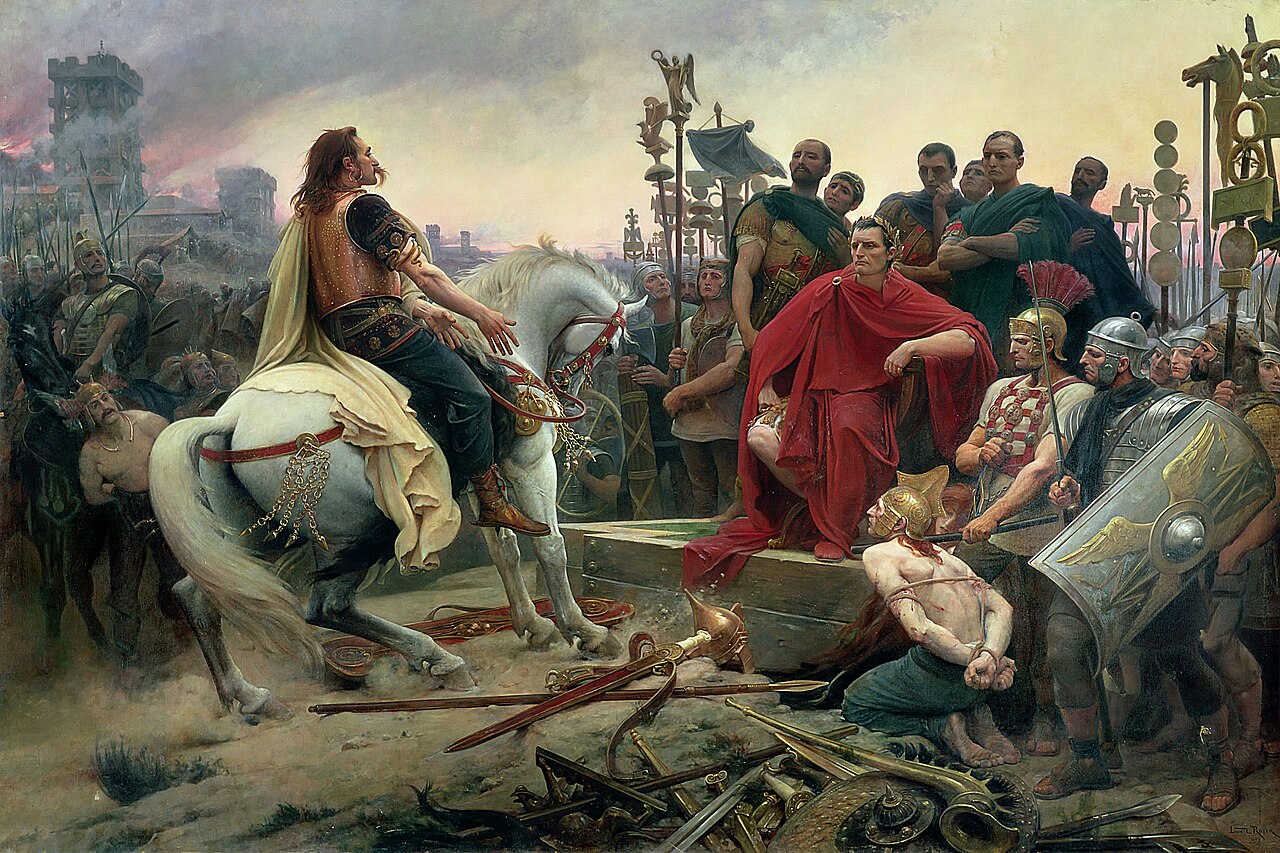
Vercingetorix embodies the Gallic resistance against Rome. Born around 80 BCE, this Arverni chieftain united the Gallic tribes. His goal? To curb Julius Caesar’s expansion. He became the symbol of the struggle for independence. For more information about him, see 13 Key Leaders in 2000 Years of French History.
In 52 BCE, he led the revolt against the Roman legions. His bold strategy forced Caesar to retreat. But the defeat at Alesia sealed his fate. Captured, he was executed in Rome six years later. His legend arose from this sacrifice.
Today, Vercingetorix still inspires. His bust stands near Montmartre, a reminder of his legacy. The Gauls, divided, could not resist Rome. Yet his courage marks the history of France.
Discover other iconic figures by exploring Paris on foot. Every street tells a legend.
Book visit to the Montmartre Museum
Book visit to the Musée de la Vie Romantique
Clovis I: The baptism that united France under Christianity
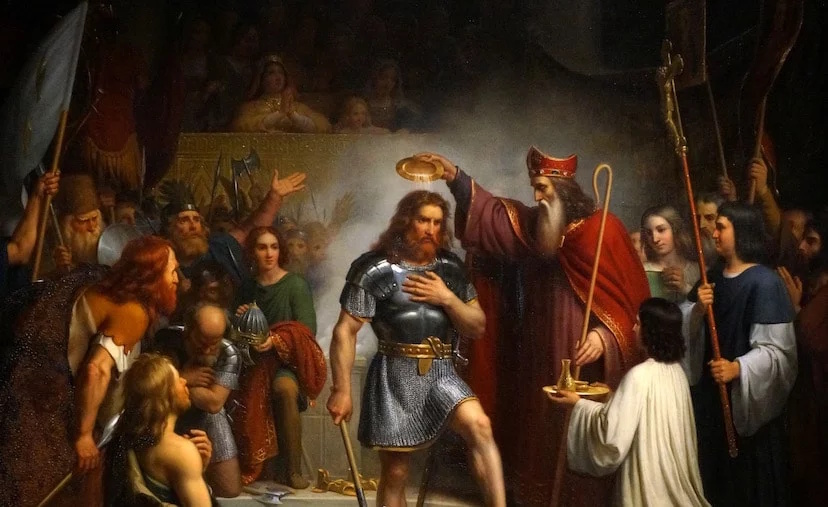
Clovis I marks a turning point in French history. King of the Franks, he reigned from 481 to 511. His baptism forever changed the destiny of the country. This act sealed the alliance between royal power and the Church. For more information about him, see 13 key leaders in 2000 years of French history
The legend has it that Clovis converted in 496. His wife, Clotilde, was already a Christian. She urged him to embrace the faith. The Battle of Tolbiac played a key role. Threatened by the Alamanni, Clovis promised to convert if he won.
His baptism in Reims by Saint Remi became a symbol. He united the Franks under a single faith. This political choice strengthened his authority. It laid the foundations for a Christian France. Notre-Dame de Paris, later, would embody this tradition.
Clovis founded the Merovingian dynasty. He expanded his kingdom as far as the Pyrenees. His legacy endured. France became the "eldest daughter of the Church." An identity that still influences Europe today.
Discover more historical figures by exploring Paris on foot.
Book a visit to Notre-Dame de Paris (Free entry, but we recommend reserving a day and time to avoid the queue)
Roland of Roncevaux: The chivalric legend that shaped medieval identity
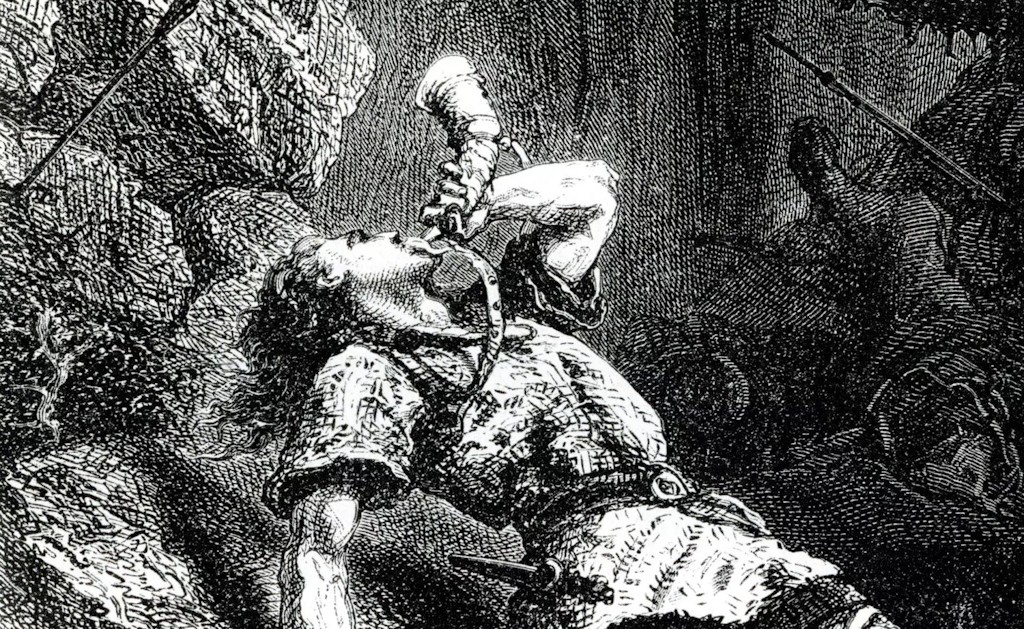
Roland of Roncevaux embodies the chivalric ideal of the Middle Ages. His story, blending bravery and tragedy, has left a lasting mark on the French imagination. It is recounted in The Song of Roland, an 11th-century epic poem.
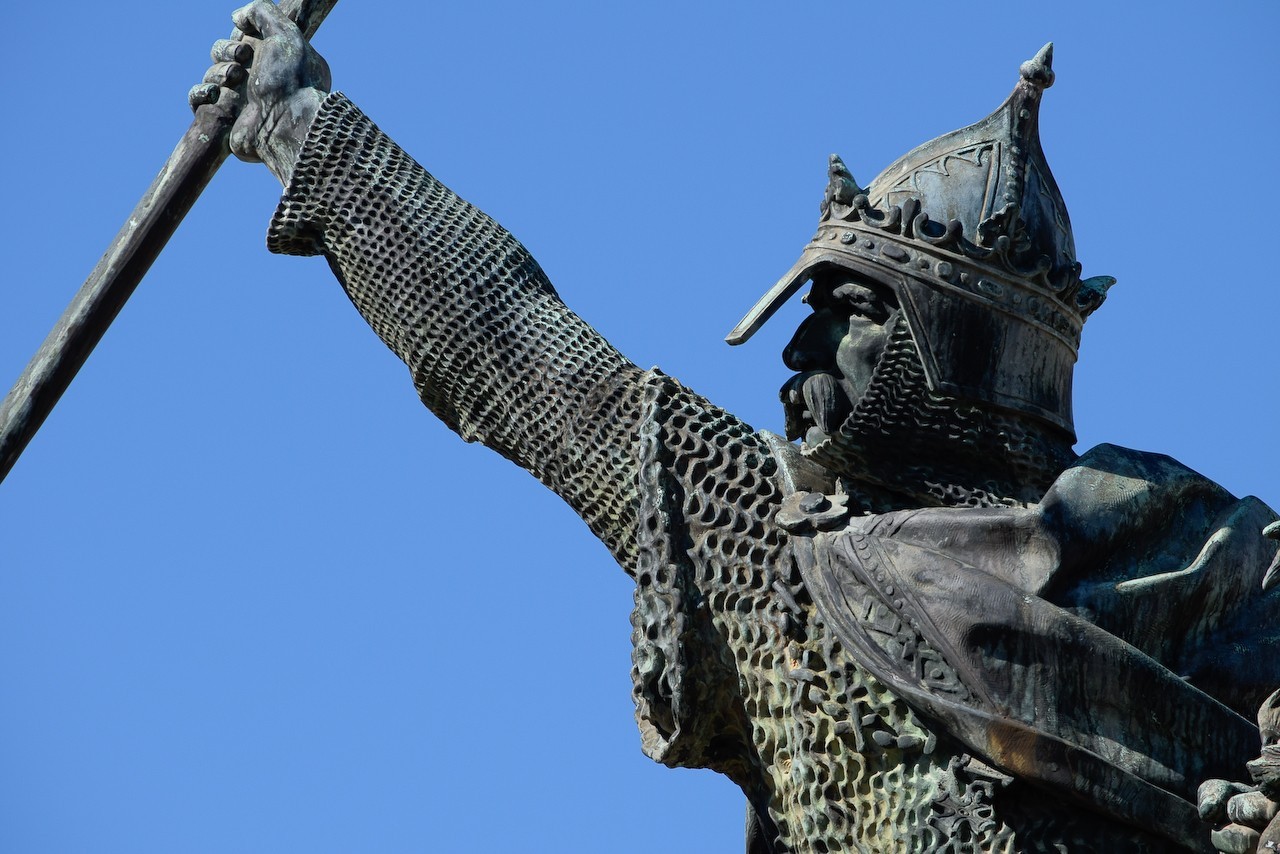
In 778, Roland, Charlemagne’s nephew, dies a hero. He defends the rearguard of the Frankish army in the Pyrenees. Betrayed by Ganelon, he falls to the blows of the Basques. His sacrifice becomes a symbol of loyalty and courage.
The legend draws from a historical event but transforms it into a foundational myth. Roland, with his sword Durandal, embodies resistance against the enemy. His horn, the Olifant, still echoes in medieval tales.
Today, the site of Roncevaux draws history enthusiasts. To explore other Parisian legends, discover The Phantom of the Opera, another mythical figure. Or stroll through Paris on Foot to relive these tales while exploring the city.
William the Conqueror: The Norman Legacy That Bound France to England
William the Conqueror remains one of the most pivotal figures in history. Born around 1027 in Normandy, he became duke at just eight years old. His reign forever transformed the ties between France and England.
In 1066, he crossed the Channel with a Norman army. His victory at the Battle of Hastings changed the course of history. He became King of England while remaining Duke of Normandy. This dual status created a complex relationship between the two countries.
His architectural legacy is visible in Paris. The Bayeux Tapestry (1), preserved in Normandy at the Bayeux Museum, recounts his epic. In London, the Tower of London reflects his influence. To explore his era, discover historical walks in Paris.
William imposed French as the language of the English nobility. He also introduced the feudal system to England. His reign marked the beginning of a long Franco-English rivalry. A rivalry that shaped Europe for centuries.
To immerse yourself in the medieval atmosphere, visit Paris’s covered passages. These places preserve the refined ambiance of the Norman era.
(1) Note: the Bayeux Museum is closed for renovations until October 2027. During this closure, the Bayeux Tapestry has been loaned by the French state to the British Museum for an exhibition in London from September 2026 to July 2027. It will return for the reopening of its new museum in Bayeux in October 2027.
Eleanor of Aquitaine: The queen who shaped art, politics, and the Crusades
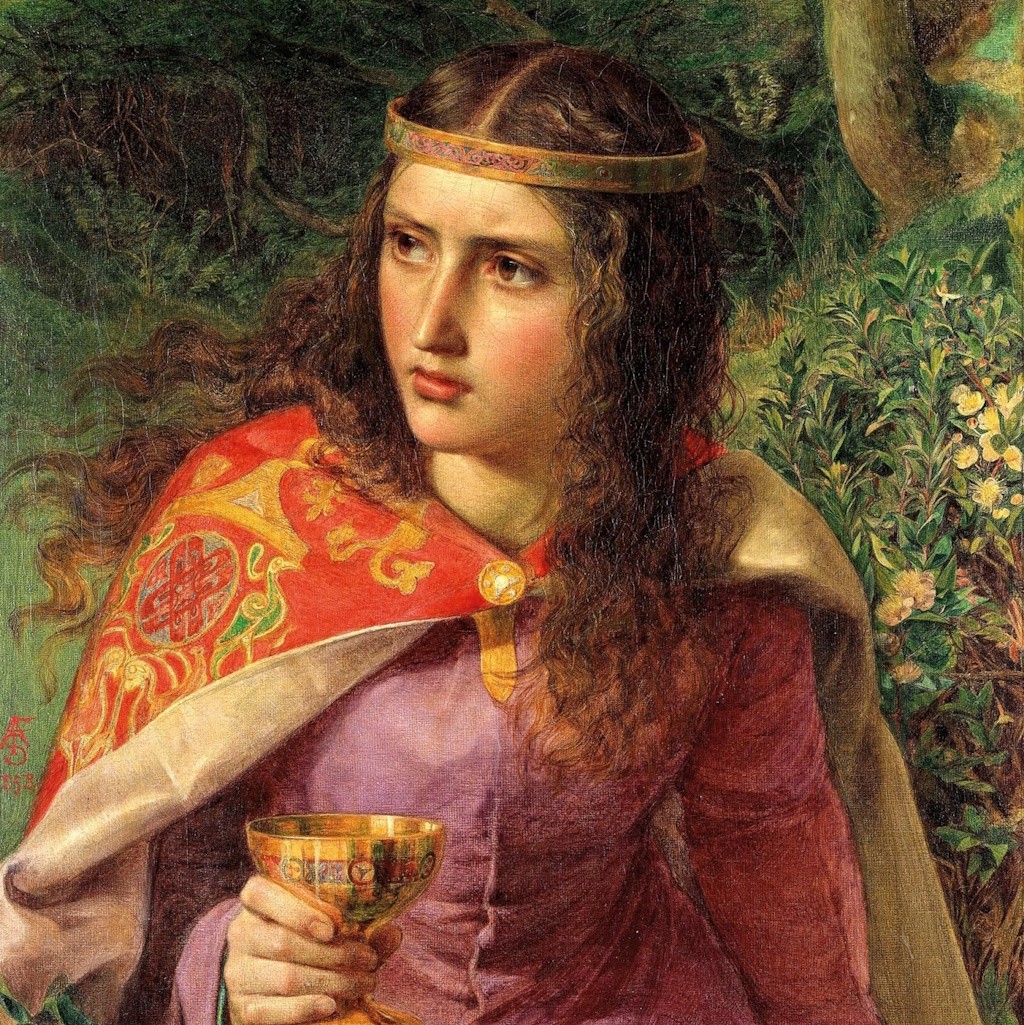
Eleanor of Aquitaine remains one of the most fascinating figures in French history. Born in 1122, she inherited a vast duchy and became Queen of France, then of England. Her influence extended beyond borders. She left her mark on her era through her intelligence and boldness.
She introduced courtly culture to Europe. Poets and troubadours thrived under her patronage. Courts became centers of art and refinement. Her artistic legacy endures to this day, as evidenced by Paris’s covered passages, symbols of elegance.
Politically, she plays a key role in the Crusades. She accompanies her first husband, Louis VII, to the Holy Land. Later, she supports her son Richard the Lionheart. Her marriage to Henry II of England creates a trans-Channel empire. She thus shapes Franco-English relations for centuries.
Aliénor embodies the power of women in the Middle Ages. Her journey still inspires, much like that of Simone de Beauvoir. A visionary queen whose legacy resonates far beyond her time.
Joan of Arc: The banner of reconquest and the symbol of the French nation
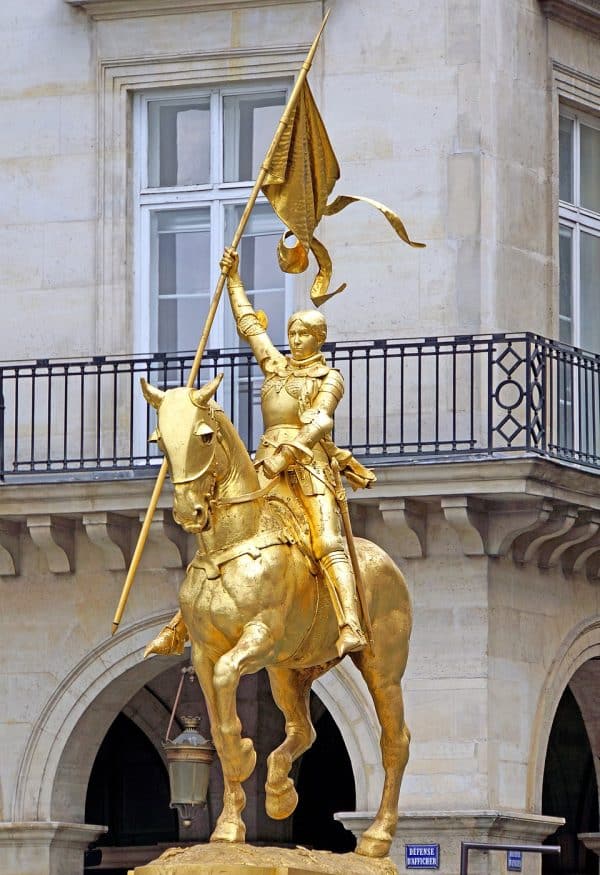
Joan of Arc embodies the spirit of French resistance. Born in 1412 in Domrémy, this young peasant girl hears divine voices. They command her to free France from the English. At just 17, she convinces the dauphin Charles VII to entrust her with an army.
Her boldness changes the course of the Hundred Years' War. In 1429, she liberates the besieged city of Orléans. This victory restores hope to the French. Joan then escorts Charles VII to Reims for his coronation. She becomes a symbol of patriotism and faith.
Betrayed and captured in 1430, she is tried for heresy. Condemned, she dies at the stake in Rouen in 1431. Her sacrifice makes her a martyr. In 1920, the Church canonizes her. Today, she remains a national icon.
Paris also celebrates its heritage. Discover self-guided walking tours in its footsteps. Or explore Montmartre, where her memory still inspires.
Joan of Arc united France. Her story reminds us that courage can change history.
The King Arthur and the Knights of the Round Table: Medieval Myths and Cultural Influence
The King Arthur and his knights have captivated audiences for centuries. These medieval legends have endured through the ages. They masterfully blend history and fantasy.
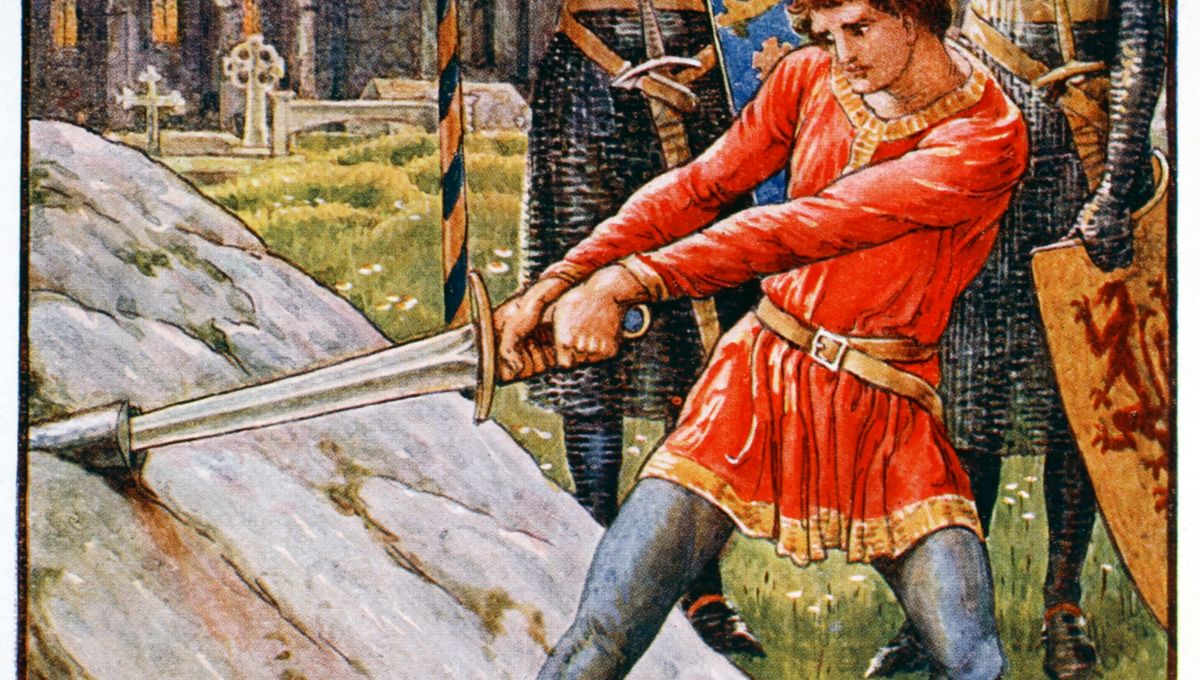
Arthur, the legendary king of Britain, is said to have united the peoples against the Saxons. Excalibur, his magical sword, symbolises his power. The Round Table embodies the equality among his knights. Lancelot, Perceval and Gauvain are its iconic figures.
These tales inspired European literature. Chrétien de Troyes popularised them in the 12th century. They shaped the chivalric ideal: courage, loyalty and spiritual quest. Even Paris bears traces of them, such as in its covered passages, witnesses to an era when these myths were told.
Today, their legacy endures. Films, series and novels still draw from them. These legends remind us of the importance of storytelling in our culture. They show how myth can shape a collective identity.
To explore Paris from a medieval perspective, discover our walking tours. You’ll find places steeped in history, where the spirit of knights still lingers.
The legend of the White Lady: Ghosts and mysteries in French castles
The White Lady has haunted the corridors of French castles for centuries. Her appearance often foreshadows misfortune, even an impending death. This ghostly figure is tied to family tragedies.
The stories vary by region. At Trécesson Castle, in Brittany, she is said to be a young bride who was murdered. At Chenonceau, she is linked to Diane de Poitiers or Catherine de Médicis. Her white veil drifts through the staircases and gardens.
Paris is no stranger to these legends. The Phantom of the Opera shares similarities with these spirits. Visitors to the châteaux still search for her shadow. To uncover her mystery, explore the haunted sites of Paris.
These stories fuel French folklore. They remind us that history often blends with the supernatural. The White Lady remains one of the most enduring legends in the national heritage.
The Iron Mask: The Mysterious Prisoner Who Inspired Literature and Cinema
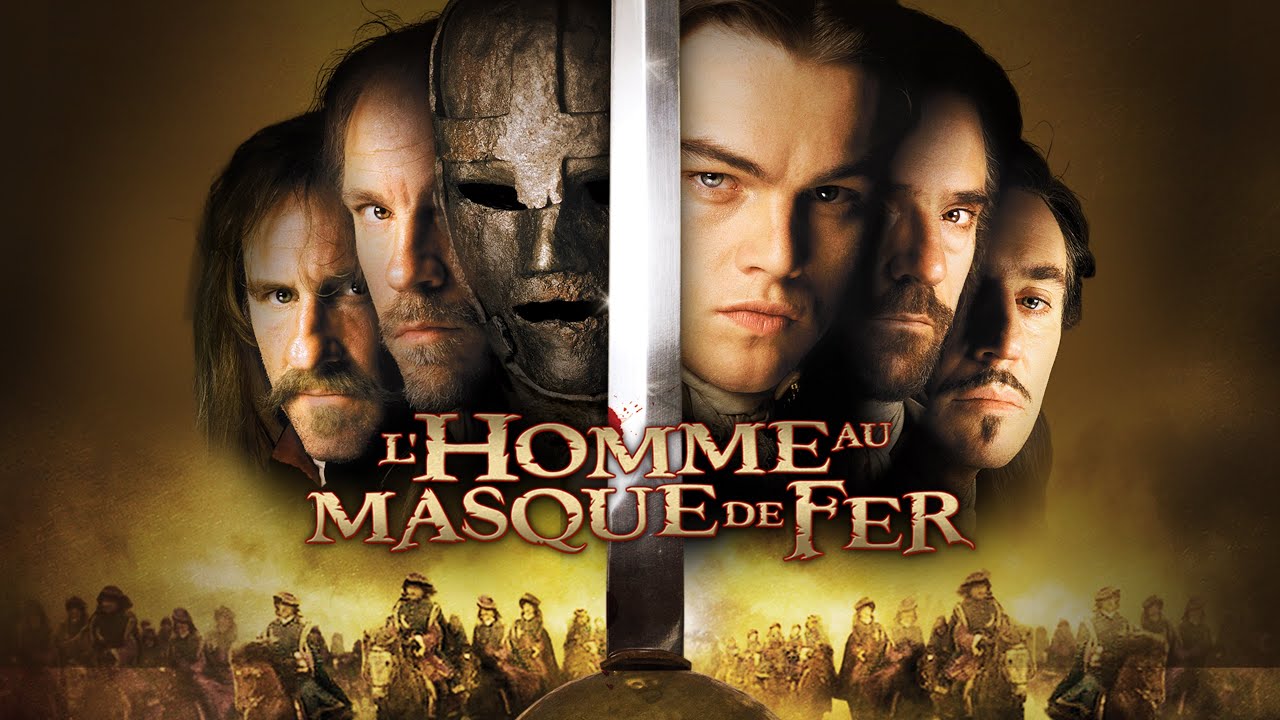
Among the most fascinating enigmas in French history, the Man in the Iron Mask holds a special place. This anonymous prisoner, held during the reign of Louis XIV, has fueled centuries of speculation. His identity remains a mystery, but his story has endured through the ages.
Imprisoned in several fortresses, including the Bastille, he wore a black velvet mask reinforced with metal. Some historians suggest he was Louis XIV’s twin brother, while others believe he was a disgraced noble. His jailer, the Marquis de Saint-Mars, ensured he remained completely isolated. Even his death in 1703 did not lift the veil on his secret.
This legend has inspired writers and filmmakers. Alexandre Dumas made it a key character in The Vicomte de Bragelonne. The cinema seized upon it, turning the Man in the Iron Mask into a symbol of royal arbitrariness. Today, its story still resonates in the secret streets of Paris, where plots and shattered destinies are imagined.
To explore more Parisian mysteries, discover the story of the Phantom of the Opera, another legend haunting the capital.
Nicolas Flamel: The Parisian Alchemist and the Quest for the Philosopher’s Stone
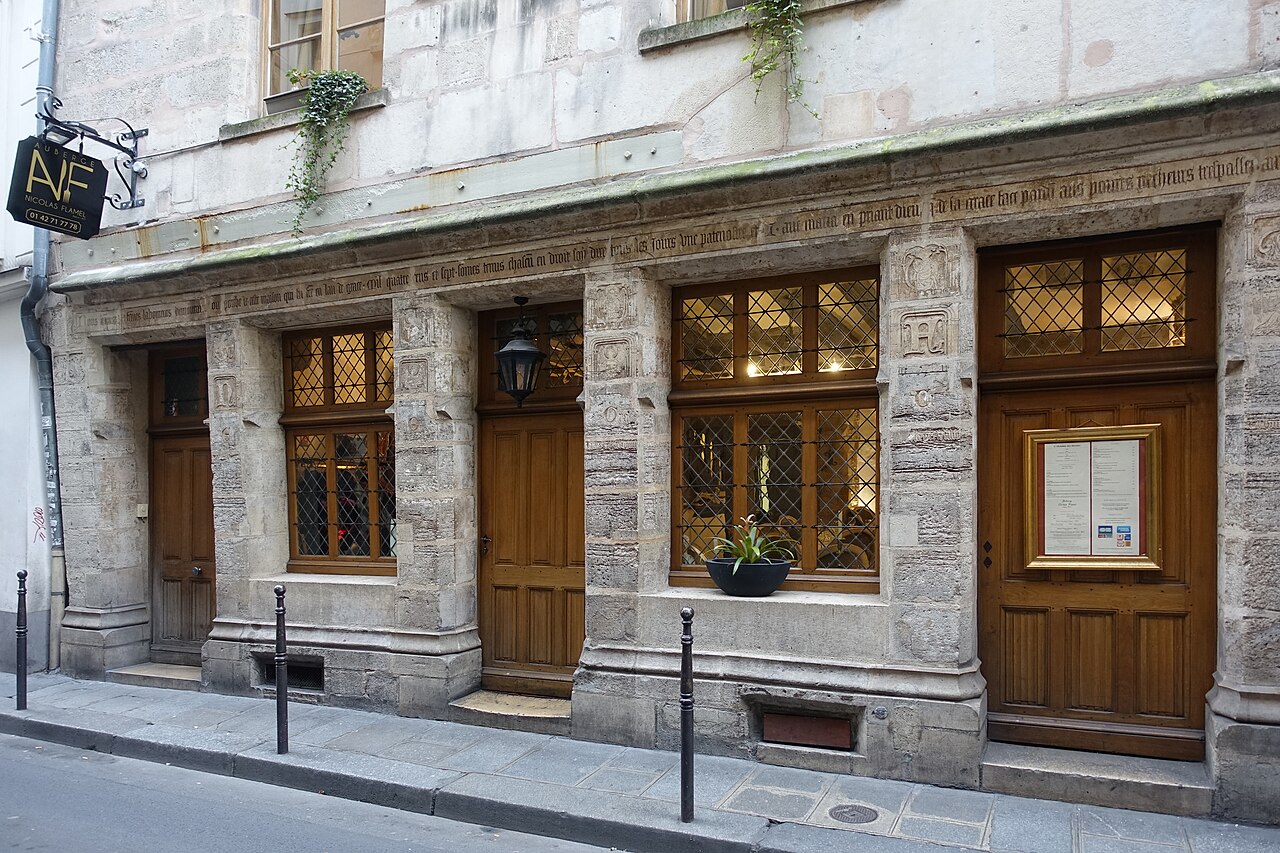
Nicolas Flamel embodies one of the most mysterious figures in Paris. A 14th-century scribe and bookseller, he became legendary for his alchemical pursuits. He is credited with discovering the philosopher’s stone, said to turn lead into gold—a quest that still captivates people today.
His house, located at 51 rue de Montmorency, 75003 Paris, is the oldest in the city. It now houses a restaurant. Flamel is said to have conducted his secret experiments there. Tales of his sudden wealth fueled the myths. Yet no document confirms his powers.
His tomb, in the Cimetière des Innocents, vanished when the cemetery was destroyed. But his legacy endures in literature and the imagination. Harry Potter immortalized him as a character. In Paris, his name evokes magic and mystery. A visit is a must for esotericism enthusiasts.
To explore other places steeped in history, discover our guide to Paris’s covered passages. Or opt for a walking tour to uncover the secrets of the capital.
The Beast of Gévaudan: A Legendary Terror Between Folklore and Historical Reality
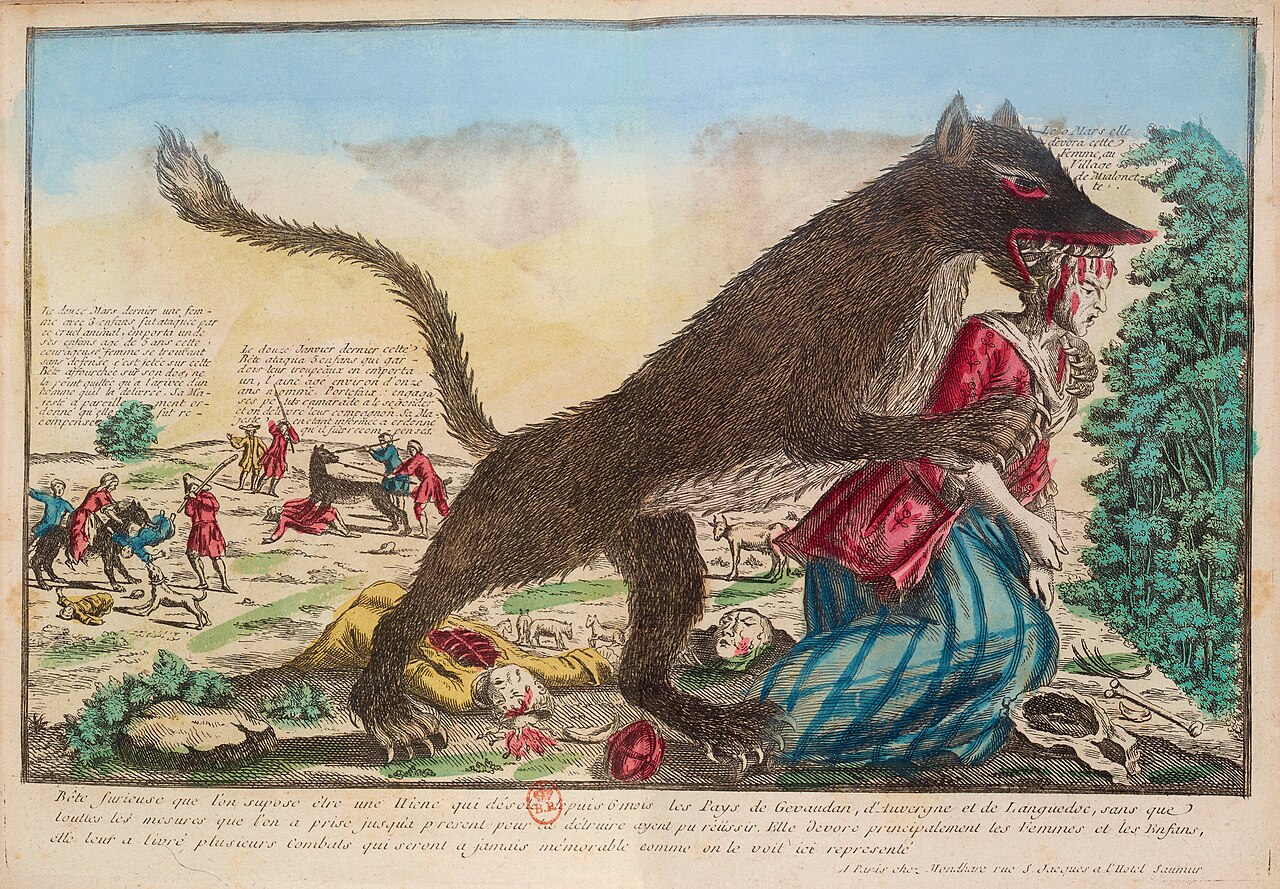
Between 1764 and 1767, a mysterious creature terrorized the Gévaudan. It attacked over 200 people, killing around a hundred. Accounts describe a giant wolf, a hybrid, or even a serial killer.
Royal hunters, including the famous François Antoine, pursued the beast—all in vain. Superstitions grew. Some spoke of a supernatural monster, while others accused a trained animal. The legend took hold of the affair.
Today, the mystery persists. Modern theories suggest a rabid wolf or an escaped lion. The Gévaudan remains marked by this enigma. To explore other mysterious tales, discover The Phantom of the Opera, another Parisian legend.
If you visit France, stroll through Paris on foot to uncover places steeped in history and mystery.
The Count of Saint-Germain: The enigmatic immortal and his influence on the Enlightenment
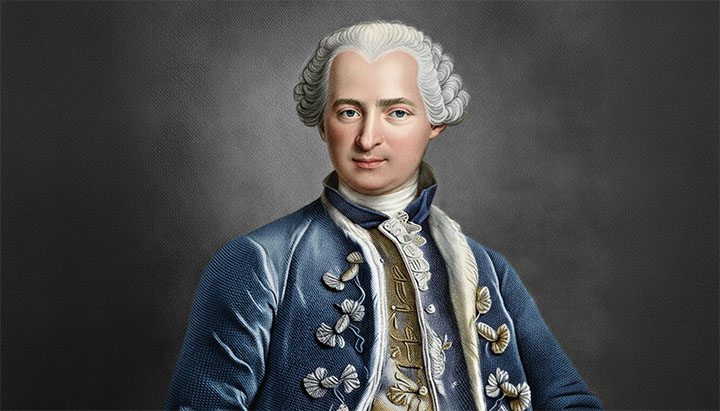
The Count of Saint-Germain still fascinates today. A mysterious figure, he is said to have lived for several centuries. Some claimed he was immortal; others, a mere charlatan. One thing is certain: his aura left its mark on the 18th century.
Born around 1710, his origins remain unclear. He spoke several languages with elegance. His knowledge of alchemy and science was impressive. At the court of Louis XV, he captivated with his talents as a musician and diplomat. Paris, then the epicenter of the Enlightenment, became his playground.
The Count of Saint-Germain frequented literary salons. There, he discussed philosophy with Voltaire and Rousseau. His ideas on freedom and progress influenced minds. Some see him as a forerunner of the revolutionaries. Others view him as a spy in the service of kings.
His legacy lives on in the legends of Paris. It is whispered that he still haunts the covered passages of the capital. A visit to Paris in his footsteps is a must for mystery lovers. Also discover how to explore the city on foot like him.
Did he die in 1784? Nothing is less certain. His story, blending reality and fiction, continues to inspire. A figure who embodies the spirit of the Enlightenment: enigmatic, brilliant, and timeless.
Napoleon Bonaparte: The imperial legend who shaped modern Europe
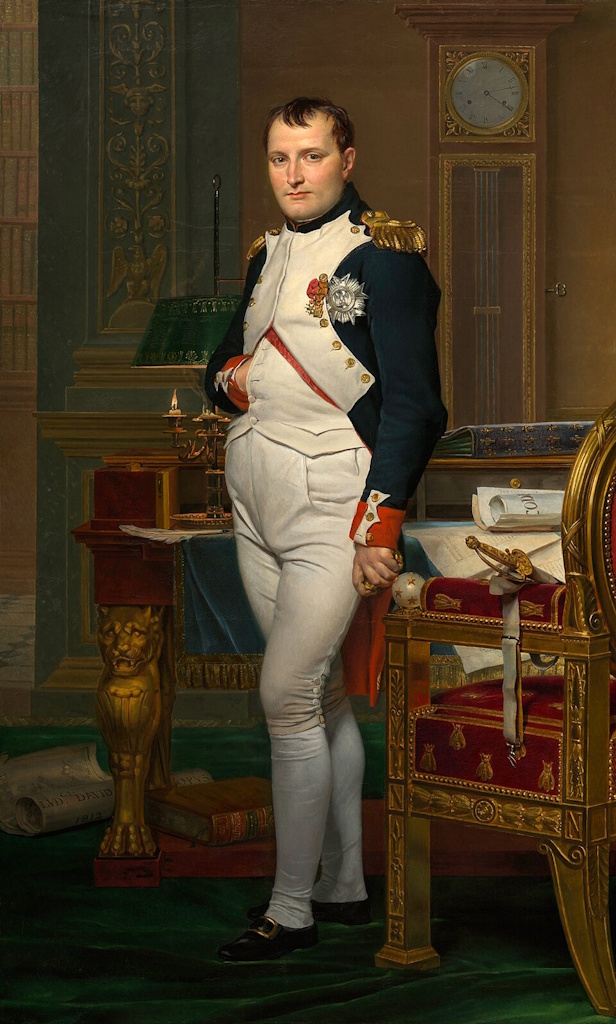
Napoleon Bonaparte embodies the meteoric rise of an ordinary man. Born in Corsica in 1769, he became a general at just 24 years old. His military career revolutionized Europe. He redrew borders and imposed the Napoleonic Code, a legal text that still influences French law today.
His coronation in 1804 marked a turning point. Napoleon crowned himself emperor at Notre-Dame. This monument, now fully restored, symbolized his power. There, he celebrated his victories and legacy. The Napoleonic legend was born here.
His military campaigns forged his reputation. Austerlitz, Jena, Wagram: his victories are legendary. But the retreat from Russia in 1812 sealed his decline. Exiled to Saint Helena, he dictated his memoirs there. His death in 1821 did not end his myth.
Today, Paris is teeming with Napoleonic traces. The Hôtel des Invalides houses his tomb. The covered passages evoke his era. His influence extends far beyond France. He remains a major figure in world history.
13 French legends among hundreds
A country as old as France, which has endured centuries and diverse civilizations, cannot help but inspire popular tales alongside official history. Why 13 legends? Because this number has always been shrouded in mystery and superstition, adding yet another layer of intrigue to these legends.