11 Cult Books Set in Paris: Paris becomes a character in its own right in world literature. Its cobbled streets, iconic monuments, and legendary neighborhoods have inspired timeless masterpieces. Each cult book unfolds a unique atmosphere, blending history, romance, and drama.
What if you walked in the footsteps of Jean Valjean, Emma Bovary, or the Phantom of the Opera? These 11 cult books set in Paris transform the capital into a living stage. They reveal places steeped in emotion, often overlooked by hurried tourists.
Ready to rediscover Paris through 11 legendary books set in the City of Light? Join us for a literary journey where every page feels like a stroll. And to extend the adventure, explore our multi-activity guide or let our trip generator.
Dive into these worlds where Paris is more than just a backdrop—it’s the beating heart of the story.
Tip 1: A site-exclusive goldmine: Take advantage of our NEW FREE site-exclusive feature to save you the hassle and time: our Trip Generator
This site includes a Paris itinerary planner that’s completely free and will save you the hassle of trying to see the maximum number of sights in the minimum time.
1/ You enter your “general” preferences (museums, churches, monuments, parks, etc.);
2/ the planner suggests a tailored selection of relevant guides;
3/ you click on the attractions you want to visit;
4/ the planner generates a day-by-day itinerary for your stay;
5/ with optional geographical optimization of daily visits—if you wish—to avoid tiring, back-and-forth travel.
It all takes just five clicks and three minutes. And it’s truly free. To use it, click on Paris itinerary planner
Tip 2: our Phrasebook Translator
Having trouble finding the right word or phrase in French? Click here on PHRASEBOOK – or at the top right of your screen. It’s a glossary of 100 useful words and/or expressions for a tourist visiting Paris (At the restaurant, Hotel, Shopping, Metro, Greetings, Asking for directions, etc.). Eight languages are available. And guess what? Each word and phrase can also be heard aloud in French.
The first of the 11 cult books set in Paris: Les Misérables, the Revolution as seen through Jean Valjean and Cosette
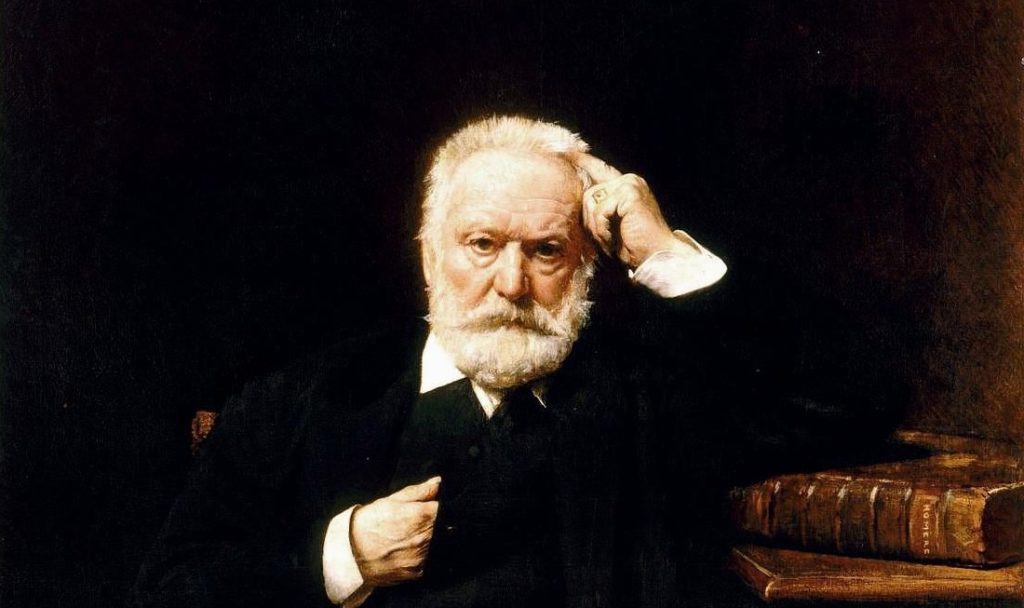
Victor Hugo immerses readers in a dark and bustling Paris. Les Misérables portrays poverty, hope, and redemption. The cobblestone streets become the stage for the intertwined fates of Jean Valjean and Cosette.
The rue de la Chanvrerie neighborhood (now rue Rambuteau) is a key location. It’s here that the 1832 riot unfolds, inspired by real barricades. Hugo blends fiction and history here, much like during the Parisian uprisings.
The Hôtel de Ville and the Latin Quarter also serve as backdrops. These places embody the revolutionary spirit of the 19th century. A visit is a must to relive these mythical scenes.
To explore Paris differently, check out our multi-activity guide. It will lead you in Hugo’s footsteps and beyond.
Notre-Dame entry reservation: entry is free, but it’s wise to reserve your day and time slot in advance (long lines).
Hemingway in Paris: A Bohemian Life in "A Moveable Feast"
Ernest Hemingway transformed Paris into a literary setting. His book "A Moveable Feast" celebrates the city of the 1920s. He describes an artist’s life, between smoky cafés and bustling streets.
The Latin Quarter was his playground. He often wrote at the Café de Flore or at the Deux Magots. These legendary spots still exist today. They breathe the bohemian spirit of the era.
Hemingway also stayed in the 5th arrondissement. An ideal neighborhood to soak up the Parisian soul. Discover the best arrondissement to stay in Paris to experience it yourself.
His love for Paris shines through on every page. He evokes the Shakespeare and Company bookshops or the banks of the Seine. Places that still inspire travelers today.
For an unforgettable stay, follow in his footsteps. A complete guide for a multi-activity stay in Paris will help you organize your visit.
Notre-Dame de Paris: Between Gargoyles and Tragic Fates
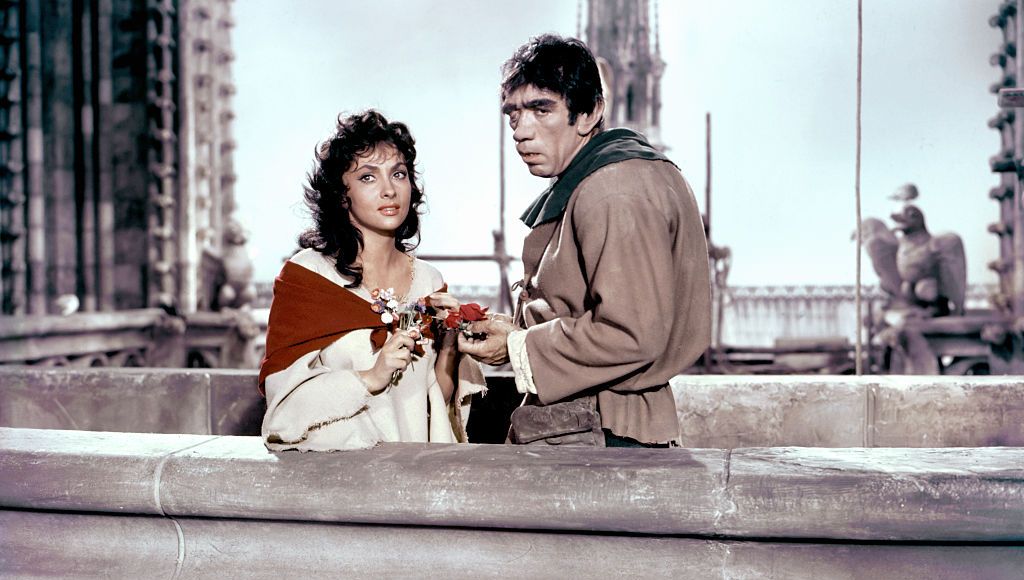
Victor Hugo immortalized Notre-Dame in his eponymous novel. This Gothic masterpiece becomes far more than mere scenery. It is a character in its own right, a witness to human dramas.
Quasimodo, the hunchback with sorrowful eyes, embodies solitude. Esmeralda, the gypsy with a pure heart, symbolizes broken innocence. Their fates intertwine beneath the stone gargoyles. These sculptures, part-monsters and part-guardians, have watched over Paris for centuries.
Today, the cathedral is rising from the ashes of the 2019 fire. Its stained glass windows, towers, and spire are gradually being restored. To discover other iconic Parisian landmarks, explore our multi-activity guide. Or dive into the city’s history with our trip generator.
Notre-Dame remains a symbol. Between shadow and light, it continues to inspire as it did in Hugo’s time.
Madame Bovary: Flaubert’s Realism in the Streets of Paris
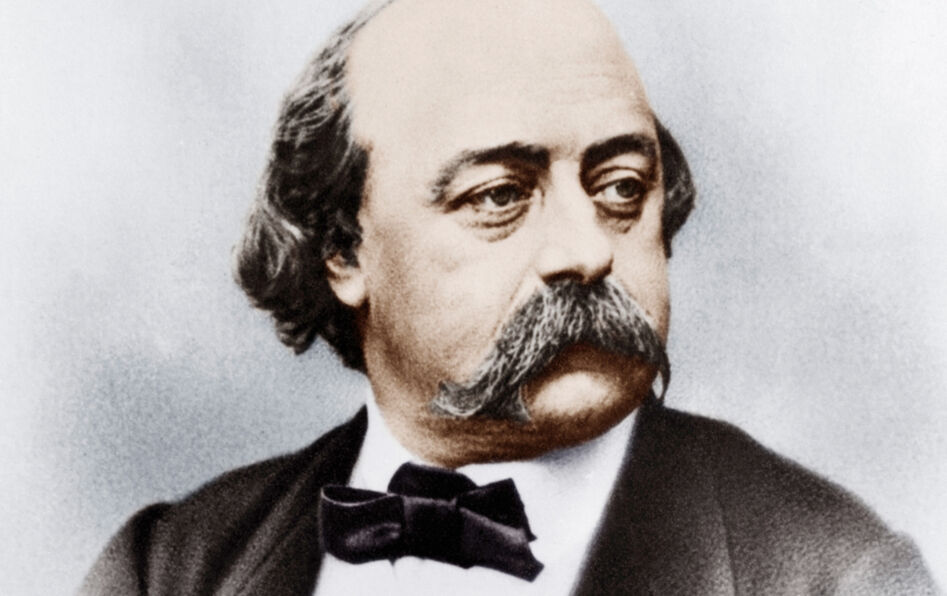
Emma Bovary embodies the shattered dream of a Parisian life. Flaubert paints her boredom through the streets of the capital. The novel reveals a Paris of contrasts, between luxury and squalor.
Rue de la Paix and the covered passages become backdrops of temptation. Emma spends recklessly here, hoping to escape her provincial life. These places still exist today, bearing witness to a 19th-century Paris.
To explore these neighborhoods, follow our multi-activity guide. You’ll find itineraries inspired by literature.
Flaubert critiques the bourgeoisie through Emma. His realism still influences modern literature. A style worth rediscovering by walking the same cobblestones she did.
La Comédie Humaine: Balzac and His Timeless Parisian Settings
Honoré de Balzac transformed Paris into a character in its own right. La Comédie Humaine immerses the reader in the dark alleys, bourgeois salons, and smoke-filled cafés of the 19th century. Every neighborhood becomes a stage where ambitions, betrayals, and tragic destinies unfold.
The Passage des Panoramas or Rue de la Paix embody Balzac’s spirit. These places, still visible today, once hosted the intrigues of Rastignac or Vautrin. Balzac portrays a society in full transformation, caught between poverty and opulence.
To explore these settings, stroll through the 9th arrondissement, the heart of his novels. Also discover the best neighborhoods to visit to relive his Paris. An unforgettable literary journey!
Balzac captured the essence of the City of Light. His descriptions remain surgically precise. Paris has not changed: neither have its passions.
The Phantom of the Opera: Mysteries and Legends Beneath Paris’s Roofs
The Opéra Garnier is more than a monument. It is the setting of a cult novel. The Phantom of the Opera, written by Gaston Leroux in 1910, takes root here. Its story still haunts the corridors of this sumptuous palace.
Erik, the phantom, lives hidden beneath the roofs. He terrifies artists and manipulates destinies. His secret passages, traps, and haunting voice captivate. Visitors still search for his lair. The Opéra’s basements, with their underground lake, fuel the legends.
To explore this place steeped in mystery, visit the Opéra Garnier during a multi-activity stay. Don’t miss the guided tours. They reveal the best-kept secrets of this architectural masterpiece.
The novel’s atmosphere still lingers. Films, musicals, and adaptations keep its aura alive. Paris, with its shadows and lights, remains the ideal stage for this timeless story.
The Count of Monte Cristo: Vengeance and Intrigue in 19th-Century Paris
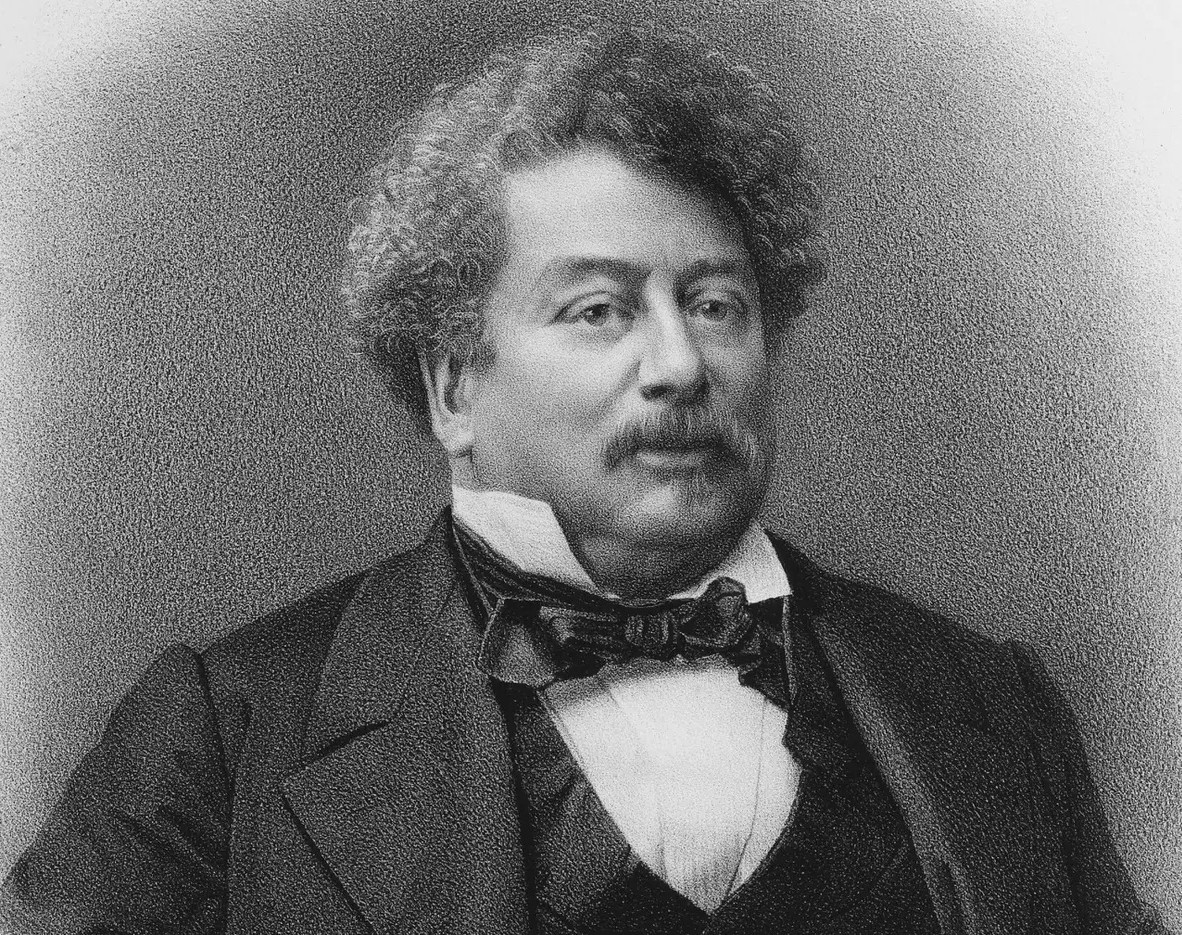
Alexandre Dumas immerses readers in a Paris brimming with schemes. The Count of Monte Cristo, alias Edmond Dantès, orchestrates his vengeance with flair. The grand salons and shadowy alleys become the stage for his machinations.
The rue de la Chaussée-d’Antin is home to the count’s private mansion—a place where luxury and mystery intertwine. The Luxembourg Gardens, meanwhile, set the stage for secret encounters. Each Parisian location takes on a dramatic dimension beneath Dumas’ pen.
To explore these backdrops, follow this iconic route. It winds through neighborhoods central to the novel. Or discover the best arrondissements to relive this era.
The Paris of *The Count of Monte Cristo* is a blend of grandeur and betrayal. A city where every stone tells a story. Dive into this classic and let its shadows and lights guide you.
Nana: The Fall of a Courtesan in Zola’s Paris
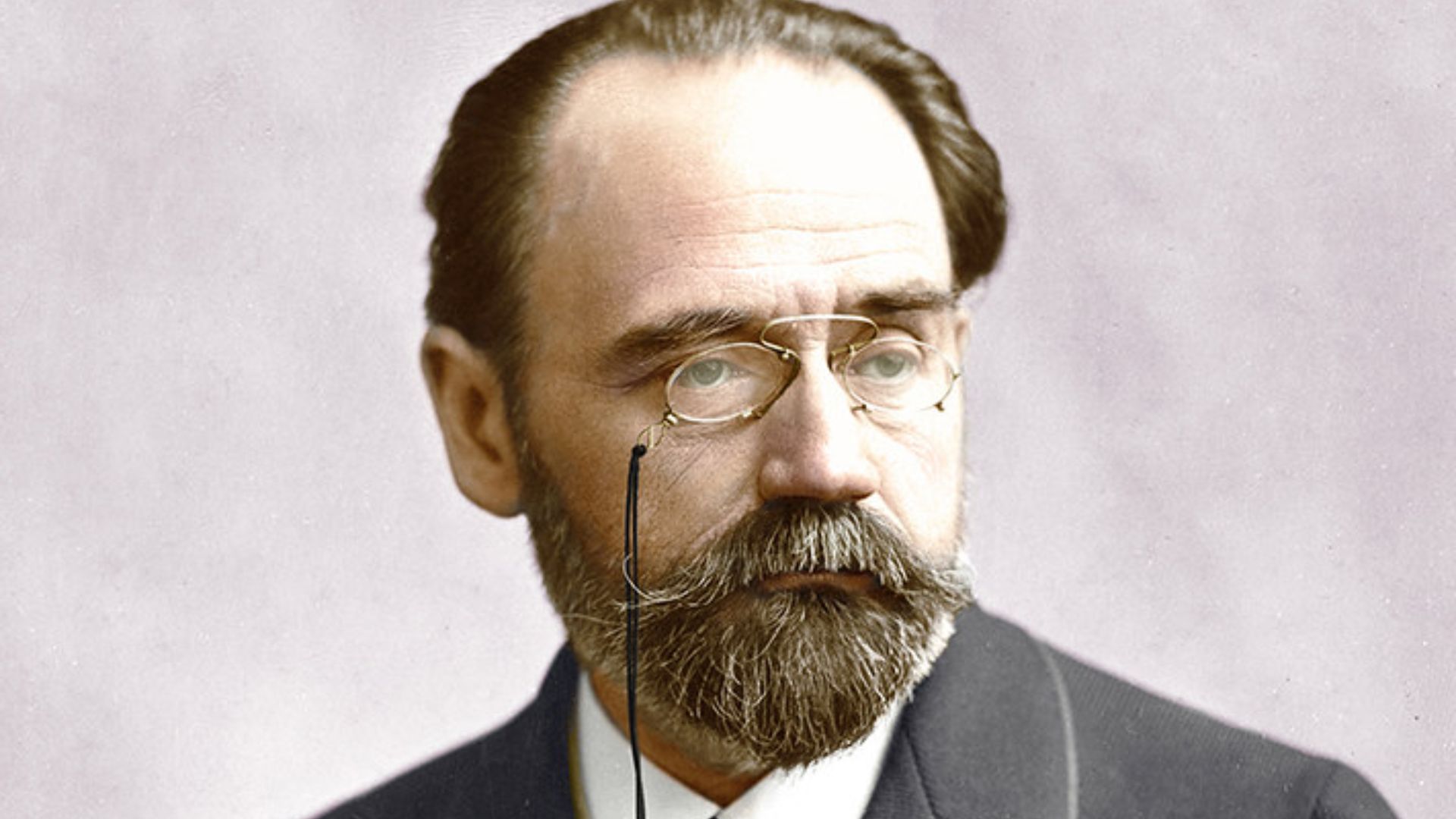
Nana, the eponymous heroine of Émile Zola’s novel, embodies the rise and fall of a courtesan in Second Empire Paris. This naturalist masterpiece immerses the reader in the excesses of high society. Parisian locations become silent witnesses to her downfall.
The Théâtre des Variétés, where Nana triumphs in *La Blonde Vénus*, marks her peak. Even today, this iconic venue in the 2nd arrondissement still exudes the backstage buzz. Zola paints a society hungry for scandals and luxury—a perfect backdrop for a meteoric ascent.
The Champs-Élysées and the grand townhouses of the 8th arrondissement shelter its wealthy lovers. Yet poverty lurks nearby. The Goutte d’Or district, then a slum, symbolizes her downfall—a stark contrast to the opulence of the grand boulevards.
To explore this literary Paris, follow in Nana’s footsteps with our multi-activity guide. Or discover other iconic figures like Gustave Eiffel, Zola’s contemporary.
The Three Musketeers: Adventures and Duels in Alexandre Dumas’ Paris
Paris under Louis XIII breathes adventure in The Three Musketeers. Dumas paints a city where swords clash around street corners. D’Artagnan, the ambitious young Gascon, faces off against his rivals. Duels multiply here, often near the Luxembourg or the Halles.
The musketeers frequent the lively inns of the Latin Quarter. Their hideout? The Café Procope, still standing today. The plots also unfold at the Palais-Royal, the heart of power. A stroll along the Champs-Élysées evokes their epic rides.
To relive their era, explore the route from the Palais de Chaillot to the Arc de Triomphe—a perfect setting to imagine their exploits. And if you love historical tales, also discover the tragic story of Henri IV, another key figure in Dumas’s Paris.
The Vicomte de Bragelonne: The End of an Era in Parisian Salons
With The Vicomte de Bragelonne, Alexandre Dumas concludes the Three Musketeers trilogy. The novel immerses the reader in 17th-century Paris. The plots unfold in the capital’s luxurious salons and shadowy alleys.
Louis XIV reigns supreme. The splendor of Versailles gradually overshadows Paris. Yet the city remains the stage for conspiracies and passions. Characters move between the Louvre, the grand townhouses of the Marais, and the lively cabarets. Each place reflects an era in transition.
D’Artagnan, growing older, embodies loyalty in the face of betrayal. His journey leads from the banks of the Seine to the anterooms of power. To relive this atmosphere, explore Avenue George V, where elegance and intrigue once mingled.
This novel captures the essence of a Paris in decline—a city where honor clashes with ambition. For a journey through time, visit Versailles, a symbol of absolute monarchy that sealed Paris’s fate.
The last of the 11 cult books set in Paris: Thérèse Raquin, a naturalist drama in Paris’s covered passages
Émile Zola plunges readers into a dark, stifling Paris with Thérèse Raquin. This naturalist novel explores passion, guilt, and madness. Parisian settings play a key role, particularly the covered passages, meeting places shrouded in secrecy.
The story unfolds around the Passage du Pont-Neuf, now long gone. Thérèse and Laurent live out their forbidden love there. Their shop, narrow and damp, mirrors their moral confinement. Zola paints a picture of a working-class Paris, far from the grand boulevards. A Paris where poverty rubs shoulders with shattered dreams.
To discover more literary locations, explore our multi-activity guide to Paris. Or dive into the world of the Impressionists, Zola’s contemporaries.
These passages, now fewer in number, still retain their mysterious charm. The Passage des Panoramas or the Passage Jouffroy are perfect examples. They evoke the oppressive atmosphere of the novel. A stroll through these arcades is like walking in the footsteps of Thérèse and Laurent.