Statue of Charlemagne and His Leudes. Notre-Dame Square
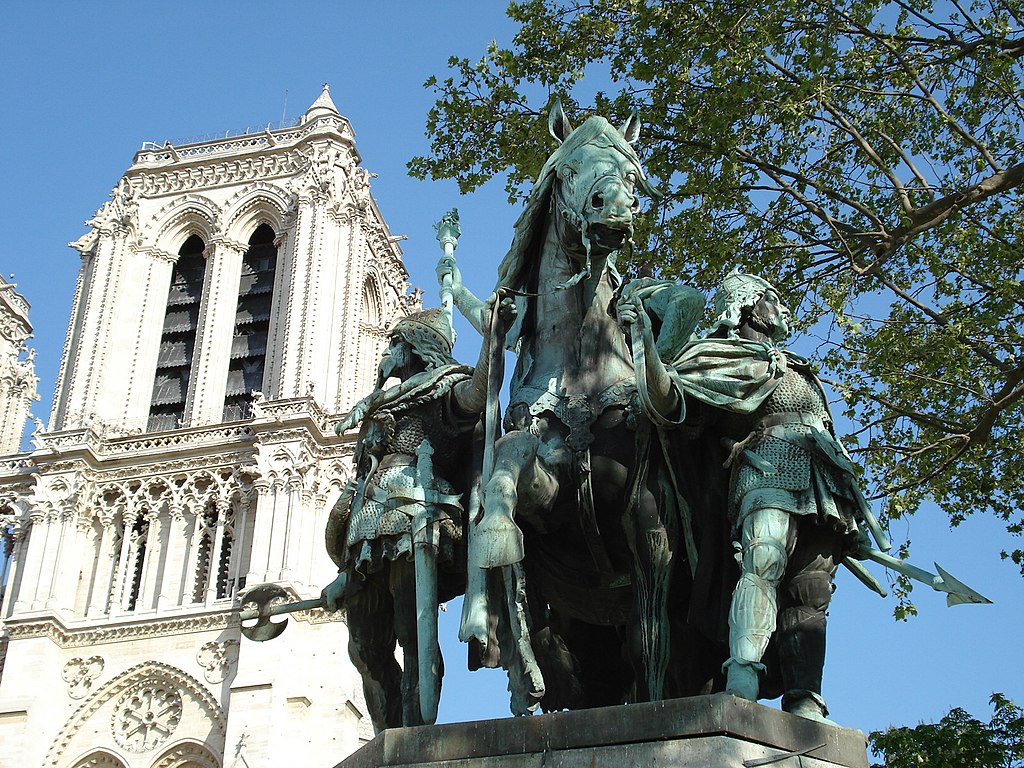
Discover an overlooked treasure of the Île de la Cité: the Statue of Charlemagne and his leudes.
Nestled in front of the Notre-Dame Cathedral of Paris, this monumental work blends history, legend, and art. A must-see for heritage enthusiasts and medieval history buffs.
The Parvis of Notre-Dame
Located on the Parvis Notre-Dame, just steps from the Kilometre Zero of France’s roads, this statue stands majestically over the square. Its strategic location makes it an ideal starting point for exploring the historic heart of Paris. Free to visit, it can be admired at any time, offering a cultural pause between two sightseeing stops.
Statue of Charlemagne and his two loyal companions
The statue depicts Charlemagne, King of the Franks and Emperor of the West, accompanied by his two loyal companions. These are Roland of Roncevaux and Oliver of Vienne. These "leudes" (elite warriors) symbolize loyalty and bravery.
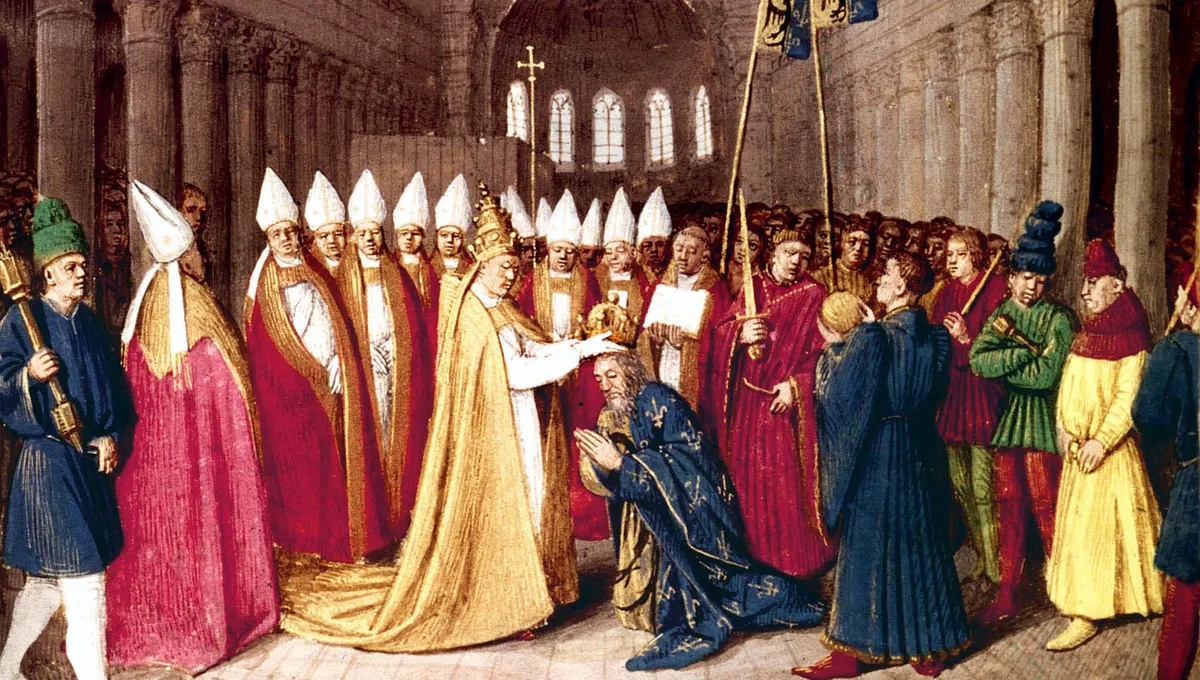
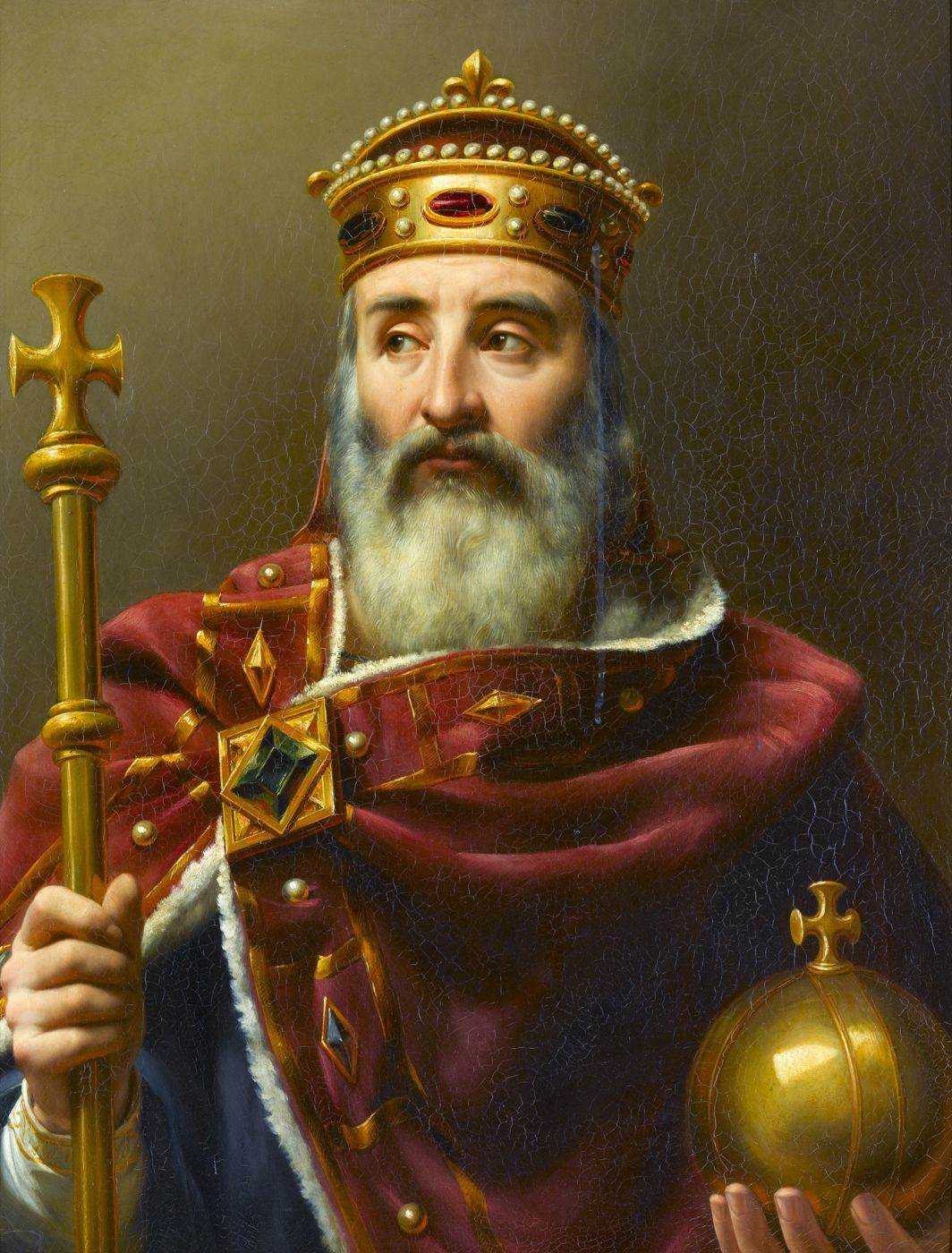
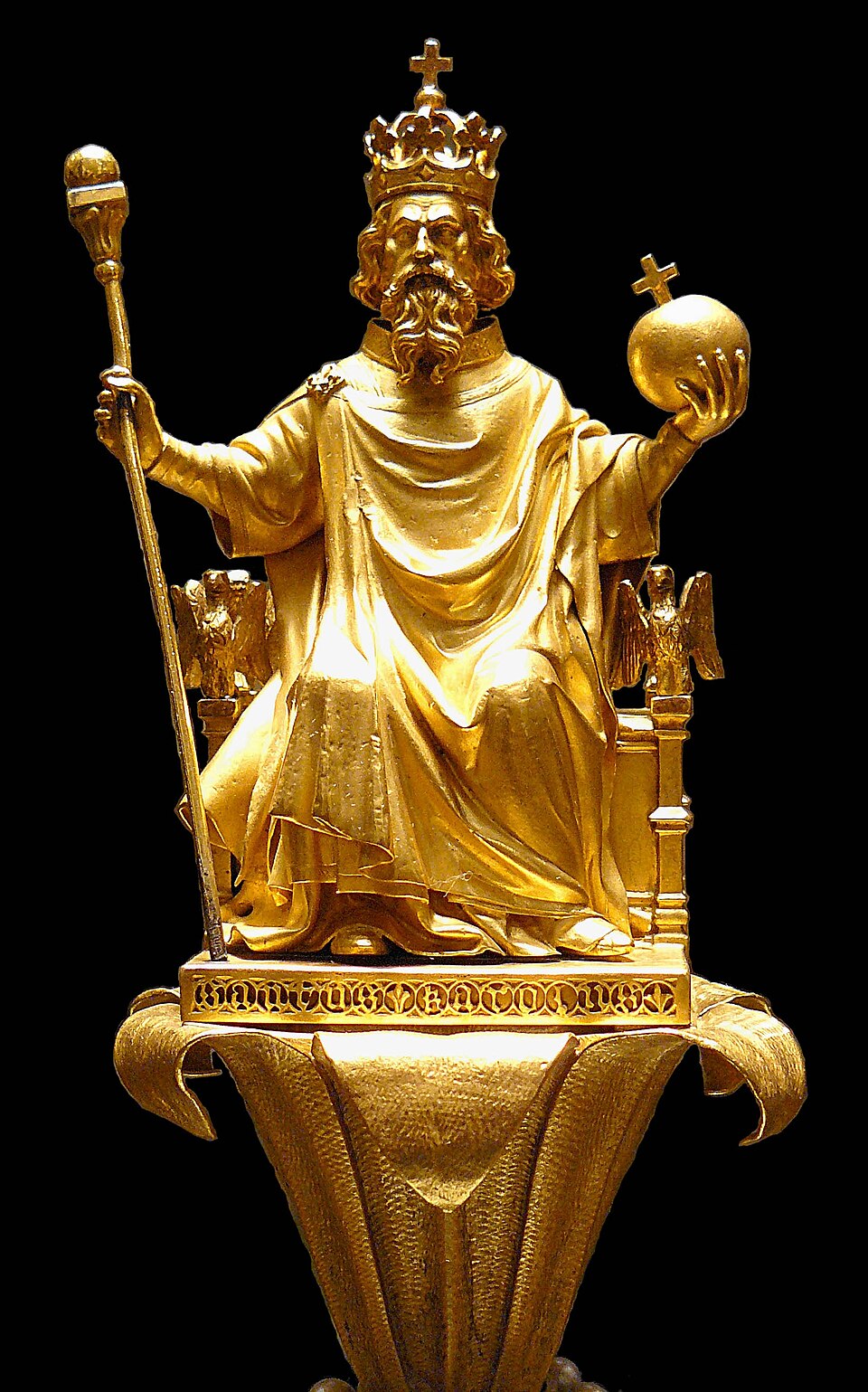
Charlemagne, crowned and clad in armor, holds an imperial orb, evoking his role as founder of medieval Europe.
The work, in patinated bronze, stands nearly 4 meters tall. Its stone pedestal, adorned with medieval motifs, enhances its imposing presence. The intricate details of the faces and armor reflect the meticulous craftsmanship typical of 19th-century art. A true immersion in the romantic aesthetics of the era.
The sculptors of the Charlemagne Statue: two brothers and collaborators
The statue is the work of two renowned sculptors: Charles and Louis Rochet. Brothers and collaborators, they left their mark on Parisian art during the Second Empire. Their style, at once realistic and epic, brings historical figures to life with rare intensity. Their signature can be seen on the pedestal—a detail not to be missed.
The History of the Statue of Charlemagne
Commissioned in 1853 by the City of Paris, the statue was inaugurated in 1882. It reflects a movement to glorify the medieval past, dear to Baron Haussmann.
At the time,Paris was transforming, and historical monuments served to anchor the city in its glorious heritage.
Charlemagne’s choice was not insignificant. A symbol of European unity, he embodies the ideal of a Christian and civilizing empire. The statue also celebrates the Song of Roland, a foundational epic of French literature. A poetic tribute to medieval legend.
Legend and symbolism surrounding the Statue of Charlemagne
A fascinating anecdote surrounds this statue: it is said to have been spared during World War II. According to legend, the Germans, respectful of Carolingian heritage, allegedly ordered its protection. Though unverified, this story adds a mysterious dimension to the work.
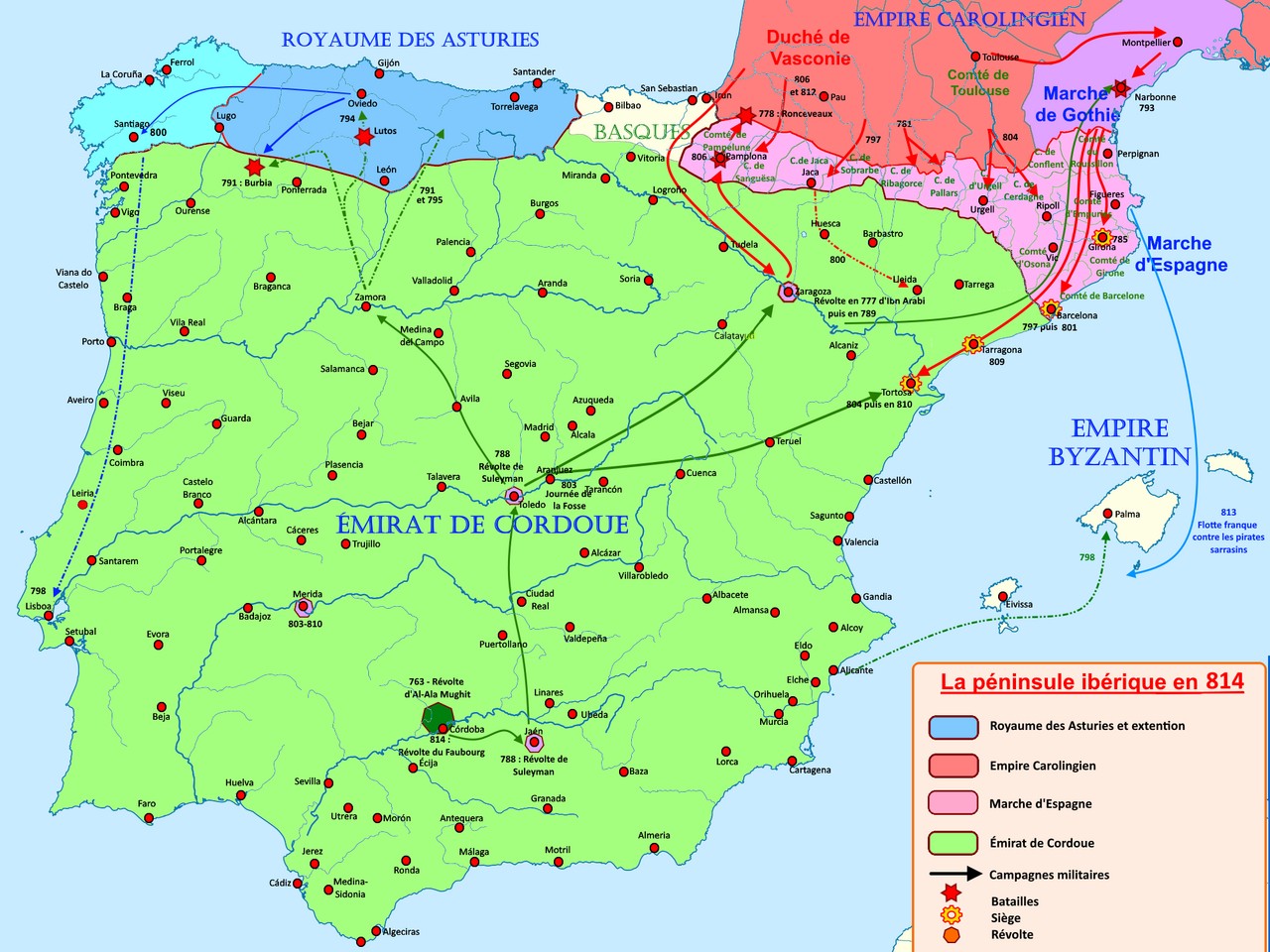
The Chanson de Roland, an epic poem from the 11th century, lies at the heart of the statue’s symbolism. It recounts the Battle of Roncevaux, where Roland, Charlemagne’s nephew, perished heroically. The statue immortalizes this tragic moment, with Roland bearing the olifant (war horn) and Olivier his sword Hauteclaire.
Medieval Epic and Historical Symbol
The Medieval Epic
For literature lovers, this monument is a gateway into the medieval epic. Picture Roland sounding the olifant to summon Charlemagne to his aid, or Olivier urging his companion to be cautious. The statue brings these legendary tales to life.
Dual Meaning of This Statue
What makes this place unique is its dual status: both a work of art and a historical symbol. Few Parisian monuments combine such artistic beauty and deep cultural significance. A stop here enriches your visit to Île de la Cité, between Notre-Dame and the Sainte-Chapelle.
Don’t miss observing the details of the armor and the expressions on the faces. Each element tells a story, from the determined gaze of Charlemagne to the youthful features of Roland. A true open-air history lesson!
A statue, a photogenic spot, legends. A whole story.
For the best visit, come early in the morning or late in the day. The low-angle light enhances the statue’s reliefs, and the crowds are thinner. Take the opportunity to capture photos with Notre-Dame in the background, an unforgettable setting.
If you love legends, look for the engraved pedestal. Some see mysterious symbols here, linked to Freemasonry or medieval secrets. Another enigma to solve during your visit!
This monument also reminds us that Paris is an open-air museum. Every stone, every statue tells a fragment of its thousand-year history. The statue of Charlemagne is a perfect example: discreet yet fascinating, historical and poetic.
In summary
The Statue of Charlemagne and his Leudes is far more than just a monument. It is a witness to History, a work of art, and a bridge to legend. A must-see for anyone wanting to understand the soul of Paris and medieval France.
So, on your next visit to the Île de la Cité, take a moment to look up. Charlemagne and his companions await you for a journey through time, between epic wars and dreams of empire.