Tzara House, Dada poet, stripped-down aesthetic by Adolf Loos
Discover a hidden gem of Montmartre: the Tzara House, a place where art and history intertwine with elegance. Nestled at 15 Avenue Junot, this iconic residence is far more than just a house—it is a living testament to the artistic avant-garde of the 20th century. Listed as a Historic Monument, it draws art lovers, architecture enthusiasts, and seekers of unusual stories.
Why visit this place?
Because it embodies the revolutionary spirit of the Dada movement, born in the midst of World War I. Tristan Tzara, poet and central figure of this movement, lived and created works here that shattered artistic conventions. A visit here is a dive into the boldness and subversion that redefined modern art.
The House by architect Adolf Loos
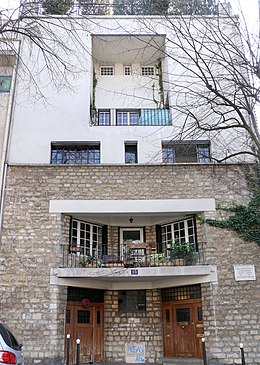
In 1926, the Dadaist poet Tristan Tzara commissioned a house from Austrian architect Adolf Loos, a building that encapsulates his architectural vision: the essence of modern architecture lies not in the beauty of the elements composing a structure, but in the purity of forms and the relationships between volumes.
The house, built in 1926 by architect Adolf Loos, is a masterpiece of modernism. Its sleek style, geometric lines, and lack of ornamentation reflect Loos’ philosophy: “Ornament is a crime.” This radical approach left a lasting mark on architectural history, making this residence a model of the International Style. This is evident in the contrast between the lightness of the white second floor, carved into a rectangular parallelepiped, and the ground floor in rubble stone.
As you cross the threshold, you will be struck by the harmony between the interior and exterior. Large bay windows flood the rooms with natural light, while noble materials—marble, fine wood, metal—create an atmosphere that is both understated and luxurious. Every detail was meticulously designed to serve functionality without sacrificing aesthetics.
The History of Tzara’s House
What makes the House of Tristan Tzara unique is its history, deeply intertwined with that of its illustrious resident. Tzara hosted legendary evenings here, bringing together artists such as André Breton, Marcel Duchamp, and Man Ray. These gatherings gave rise to manifestos, performances, and works that changed the course of art.
Today, the house is open to the public during temporary exhibitions and cultural events. Though not a traditional museum, it offers an immersive experience into Tzara’s world and that of his contemporaries. Visitors can admire archives, photographs, and period documents that recount this vibrant era.
The House of Tzara: a key milestone in the evolution of Modern Art
For history enthusiasts, the House of Tristan Tzara is a key stop to understand the evolution of modern art. It perfectly illustrates how the radical ideas of the 1920s influenced generations of artists. Whether you're a lover of architecture, poetry, or simply curious, this visit will leave a lasting impression.
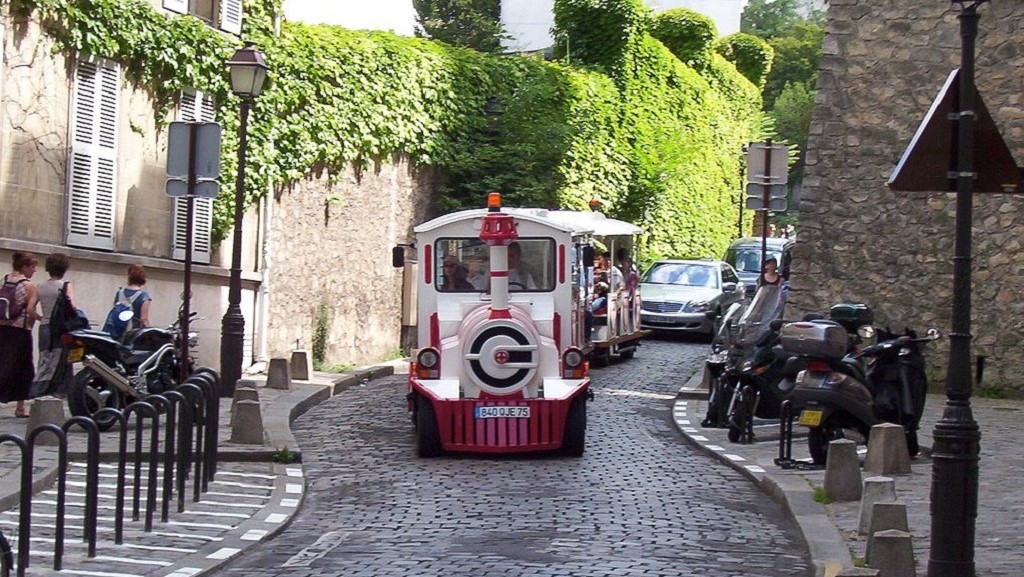
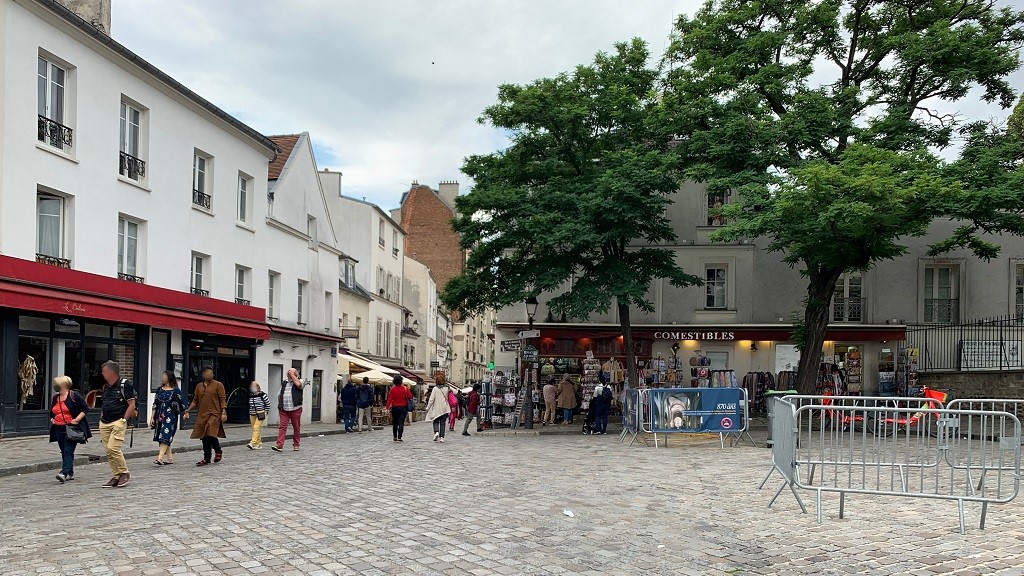
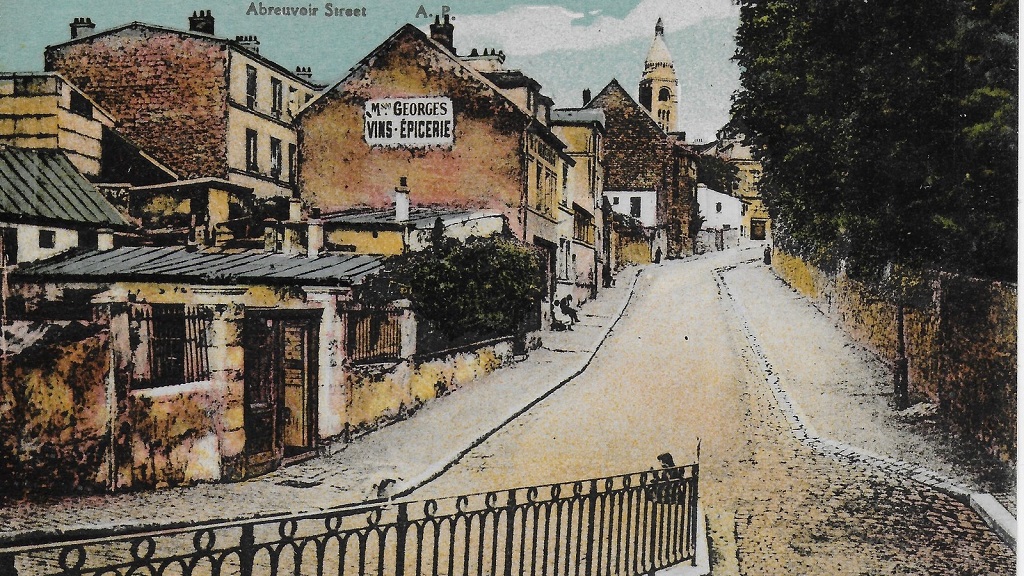
Stepping out of the House of Tristan Tzara, you’ll feel as though you’ve touched the soul of Montmartre. This neighborhood, once an artists’ village, still retains a bohemian and creative atmosphere that continues to inspire. Continue your exploration by strolling through the cobbled streets, stopping at a typical café, or admiring the panoramic views from the heights of the butte.
Practical tip for visiting the House of Tzara
The house is not open permanently, so it is recommended to check the opening hours on the official website or inquire with the Paris Tourist Office. Guided tours, when available, provide fascinating insights into the anecdotes and secrets of this place.
Junot Avenue, famous and renowned spots to see while strolling
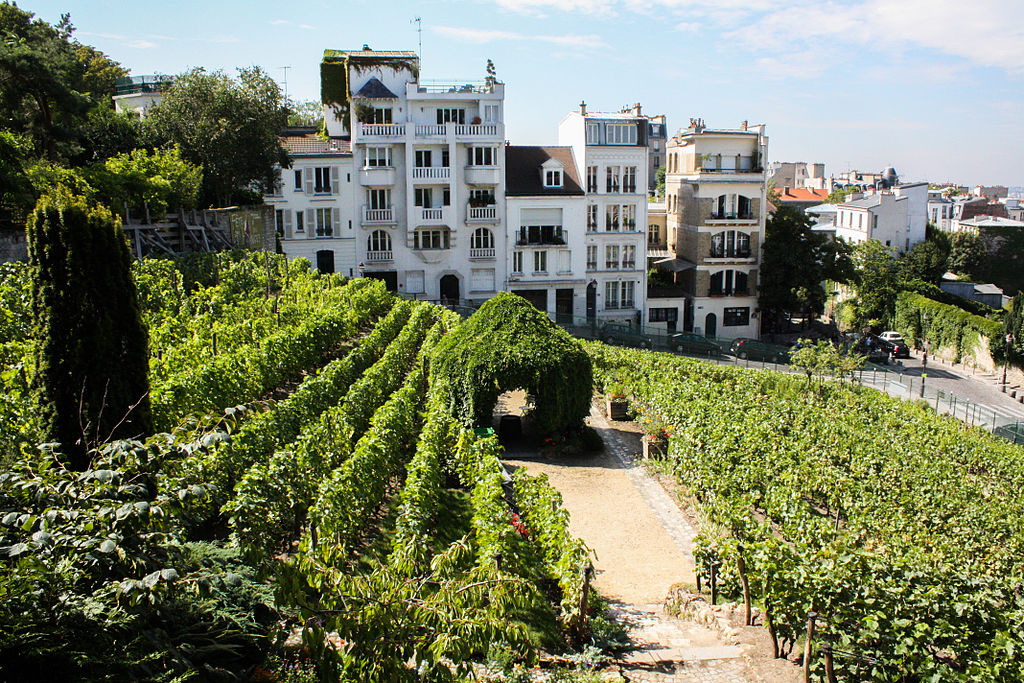
Junot Avenue itself is a must-see promenade. This winding street, lined with Art Deco villas and hidden gardens, exudes the charm of old Montmartre. While visiting, take the time to explore the surroundings: the Moulin de la Galette, Place du Tertre or even the Musée de Montmartre are just a short walk away.
A little further down, at No. 13, stands the house of cartoonist Poulbot, purchased once his success was assured.
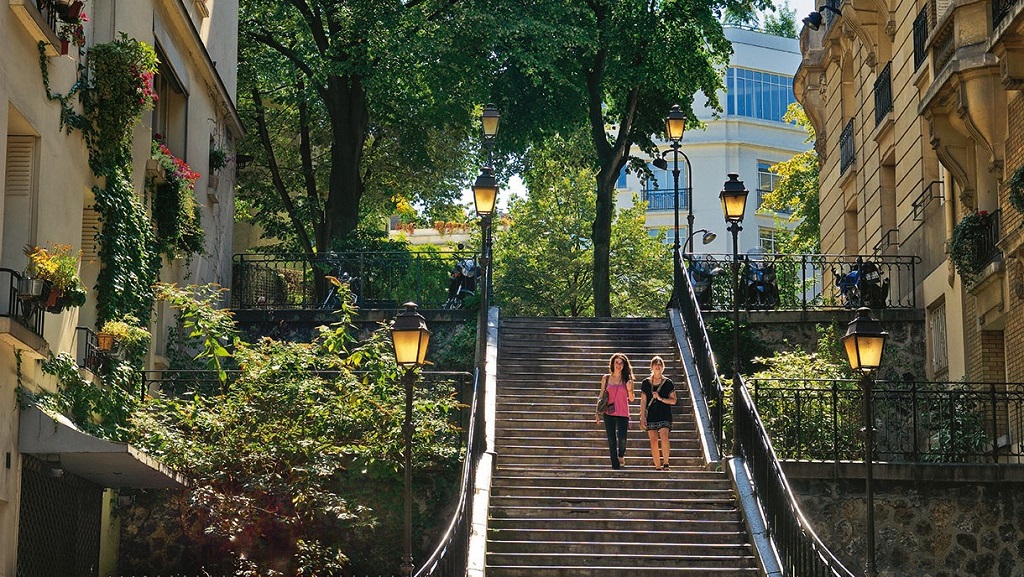
Finally, don’t forget to look up as you leave Avenue Junot. The architectural details of the neighboring houses, the hanging gardens, and the picturesque staircases are just some of the treasures waiting to be discovered. The House Tristan Tzara is more than just an address: it’s a gateway to the history, art, and magic of Paris.
Ready for an off-the-beaten-path experience? The House Tristan Tzara awaits you for a journey through time, at the heart of Parisian avant-garde. A visit that will delight curious minds and culture lovers alike!