Imagine a journey where history dances with canals. Where medieval belfries stand alongside endless fields of poppies. Picardy and Flanders, these lands straddling France and Belgium, offer this magic. Just 1.5 to 2 hours from L’Isle-Adam, an escape awaits.
Why choose to visit Picardy and Flanders?
Why? Because Picardy and Flanders blend exceptional heritage with a laid-back way of life. Here, there are no crowds like in Paris. Just preserved towns, delicious local specialties, and soothing landscapes. A change of scenery without the stress of long journeys. But why set off from L’Isle-Adam, this gem of Val-d’Oise?
Why choose L’Isle-Adam as your starting point to explore Picardy and Flanders?
L’Isle-Adam offers an ideal setting to explore the Flanders. This royal park-town combines charm and tranquility. It’s the perfect place to start your journey gently. Discover its history and highlights.
Staying in L’Isle-Adam? Make the most of it to explore this region unknown to hurried tourists. Find out how to combine a visit to Paris with a stay in the Vexin without breaking the bank. From L'Isle-Adam, Flanders is the ideal getaway for a day or a weekend.
Located less than 2 hours from Picardy and Flanders, it avoids tiring travel. You save time to explore. The roads are smooth and well-connected. No need to stress about reaching your destination.
L’Isle-Adam is also a practical base for organizing your excursions to Picardy and Flanders, as well as Normandy, while still having the convenient option to visit Paris. You’ll find a variety of accommodations and delicious local cuisine. Enjoy a stay that balances relaxation and adventure. Get inspired by our excursion ideas.
Its peaceful atmosphere contrasts with the vibrancy of Flanders. You’ll alternate between calm and dynamism. The perfect balance for a successful trip.
Ready to go? This guide reveals the must-sees, hidden gems, and great spots. From Gothic cathedrals to artisan chocolates, via timeless villages. Embark on a journey where every detail tells a story.
We explore these regions in geographical order (starting from L'Isle-Adam). An easier way to discover them.
First, Picardy
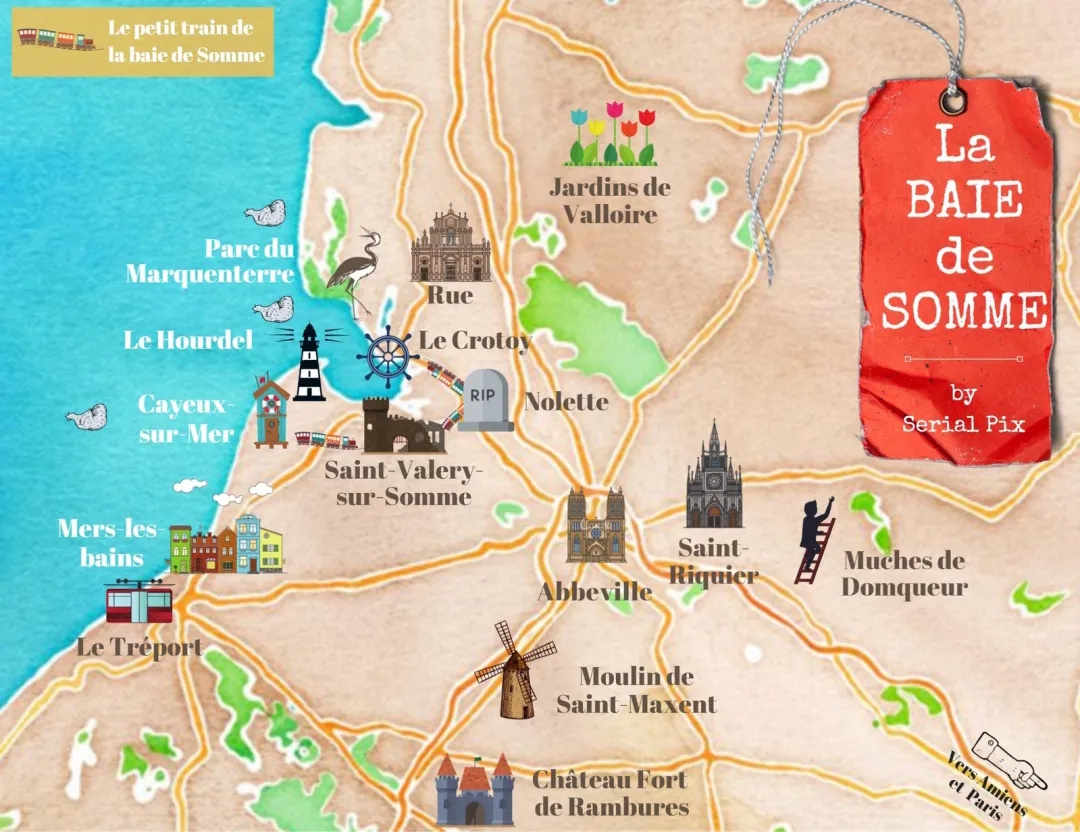
Picardy is located in the northern part of France. Its northern border is French Flanders, it extends southwest to Normandy and ends to the south at the Île-de-France region. Its location makes it an ideal destination for a getaway from L'Isle-Adam.
This region is crossed by varied landscapes. You’ll find fertile plains, dense forests, and wild coastlines. The Bay of Somme, ranked among the most beautiful in the world, is a perfect example.
Picardy through the centuries: a historical journey
Picardy bears the marks of a rich and eventful history. Its territory was shaped by the Celts, then by the Romans. The latter established cities like Amiens, which became a strategic crossroads.
In the Middle Ages, the region became a battleground between the kings of France and the dukes of Burgundy. Battles were frequent. The Hundred Years' War left a deep mark on its landscapes. The fortified castles and Gothic cathedrals still bear witness to this today.
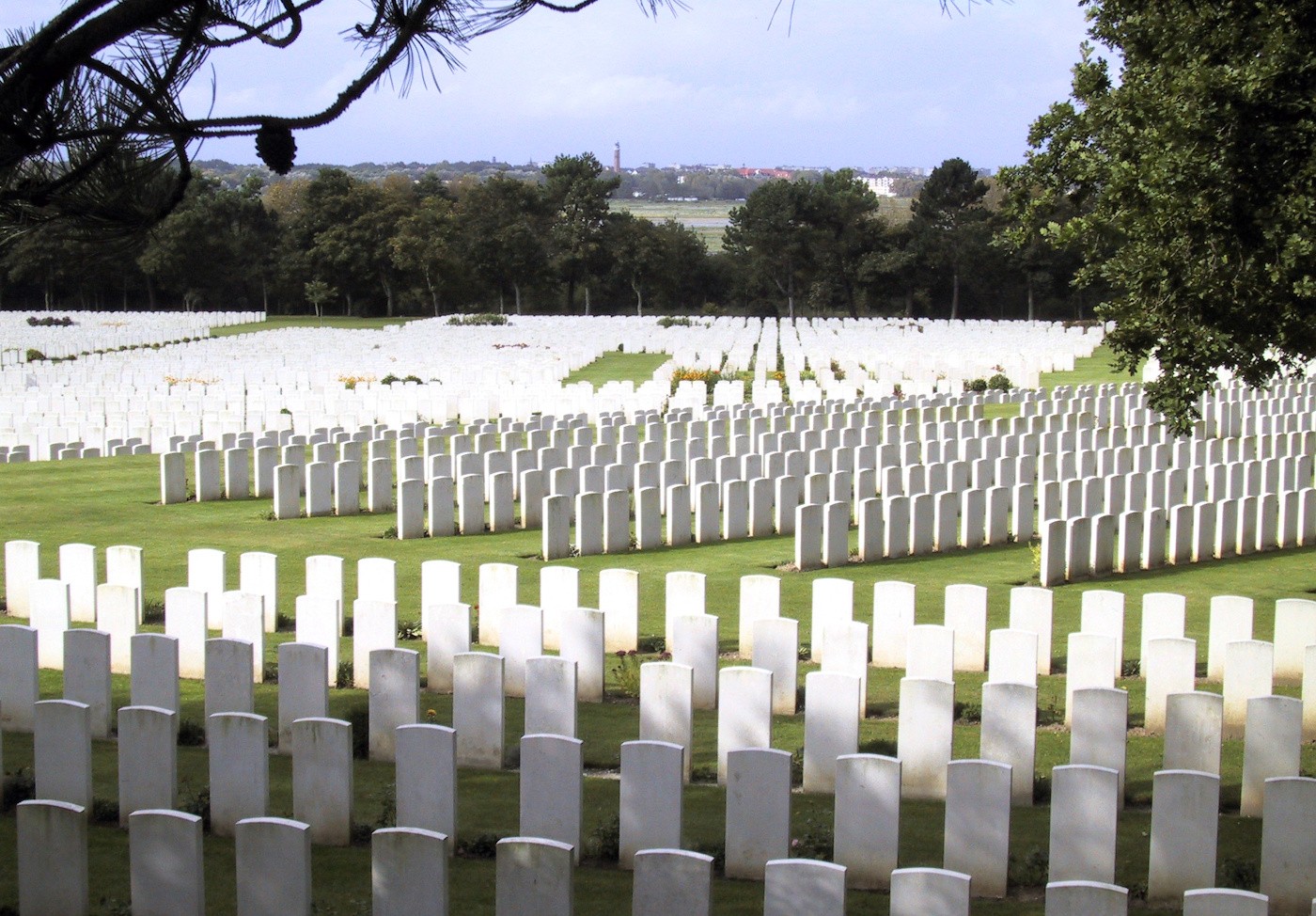
Picardy was also a major theater of the two World Wars. The Somme battlefields remain poignant memorial sites. Discover their history during your visit, as discussed in our article on 11 November in France.
In the 19th century, the Industrial Revolution transformed its cities. Factories and canals reshaped its economy. Today, Picardy blends historical heritage with modern dynamism. A land where every stone tells a story.
The must-sees of Picardy: sites not to be missed
Picardy is brimming with hidden gems.
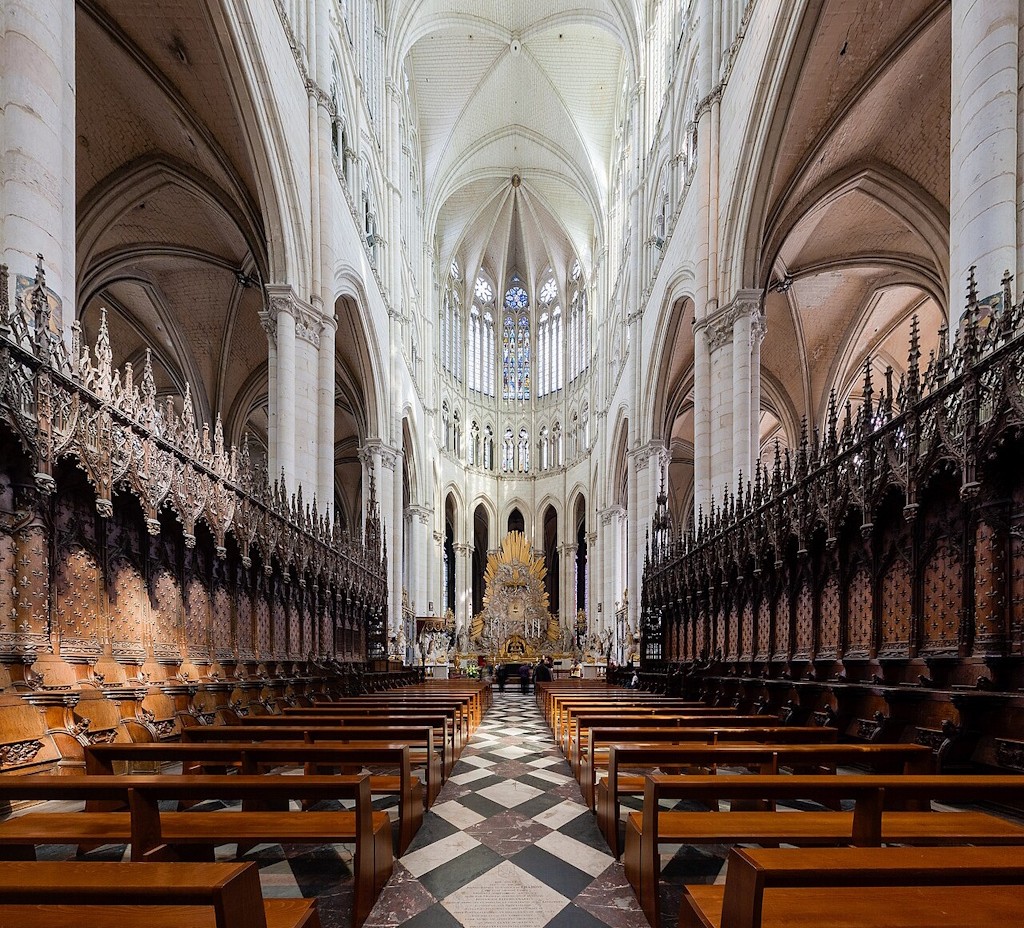
Among them, the cathedral of Amiens stands out. A Gothic masterpiece, it dazzles with its stained glass and sculptures. A jewel not to be missed.
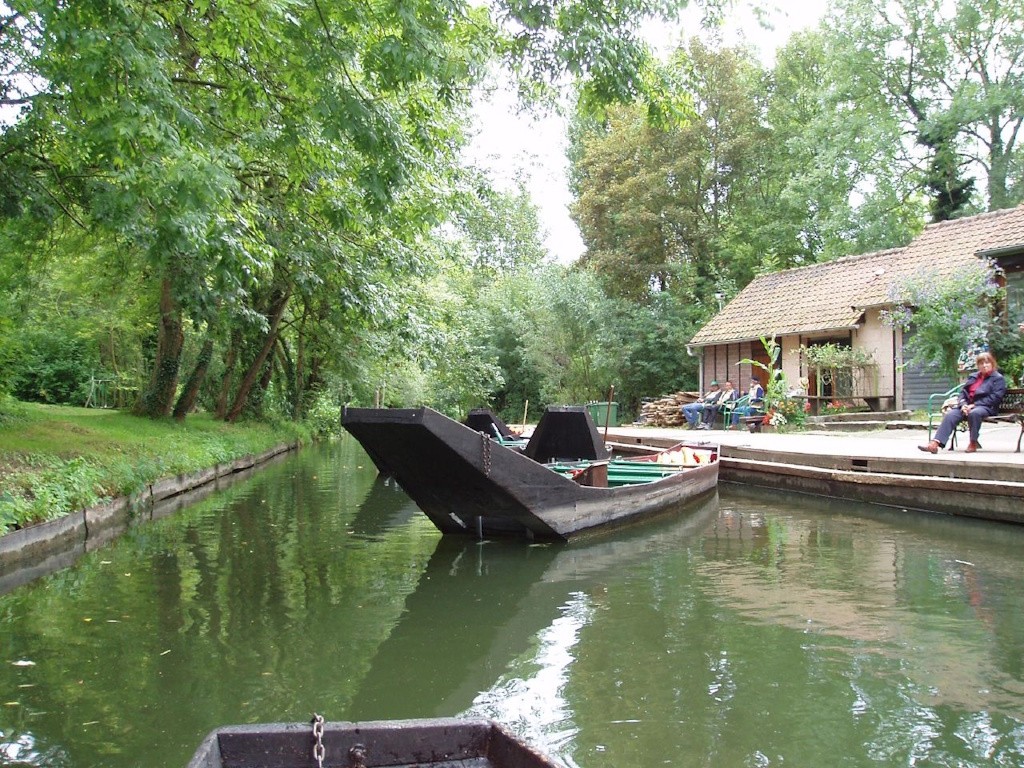
Just a short distance from Amiens city center, the hortillonnages captivate visitors. These floating gardens stretch over 300 hectares. Accessible by boat, they offer a peaceful escape. A unique stroll, blending nature and market gardening traditions. The hortillonnages of Amiens provide a one-of-a-kind experience. They are accessible by boat and reveal preserved nature. A soothing and picturesque adventure.
The Château de Pierrefonds enchants with its medieval architecture. Restored by Viollet-le-Duc, it seems straight out of a fairy tale. Perfect for history enthusiasts.
For a lesson in remembrance, the Armistice Memorial in Compiègne is a must-see. This is where the 1918 armistice was signed. A place steeped in emotion, tied to the history of November 11.
Ready to explore these sites? Picardy has plenty more surprises in store.
Iconic towns of Picardy: between charm and authenticity
Picardy is brimming with towns where history blends seamlessly into daily life. Each offers a unique atmosphere. Amiens, its capital, captivates with its canals and cathedral. A Gothic gem not to be missed.
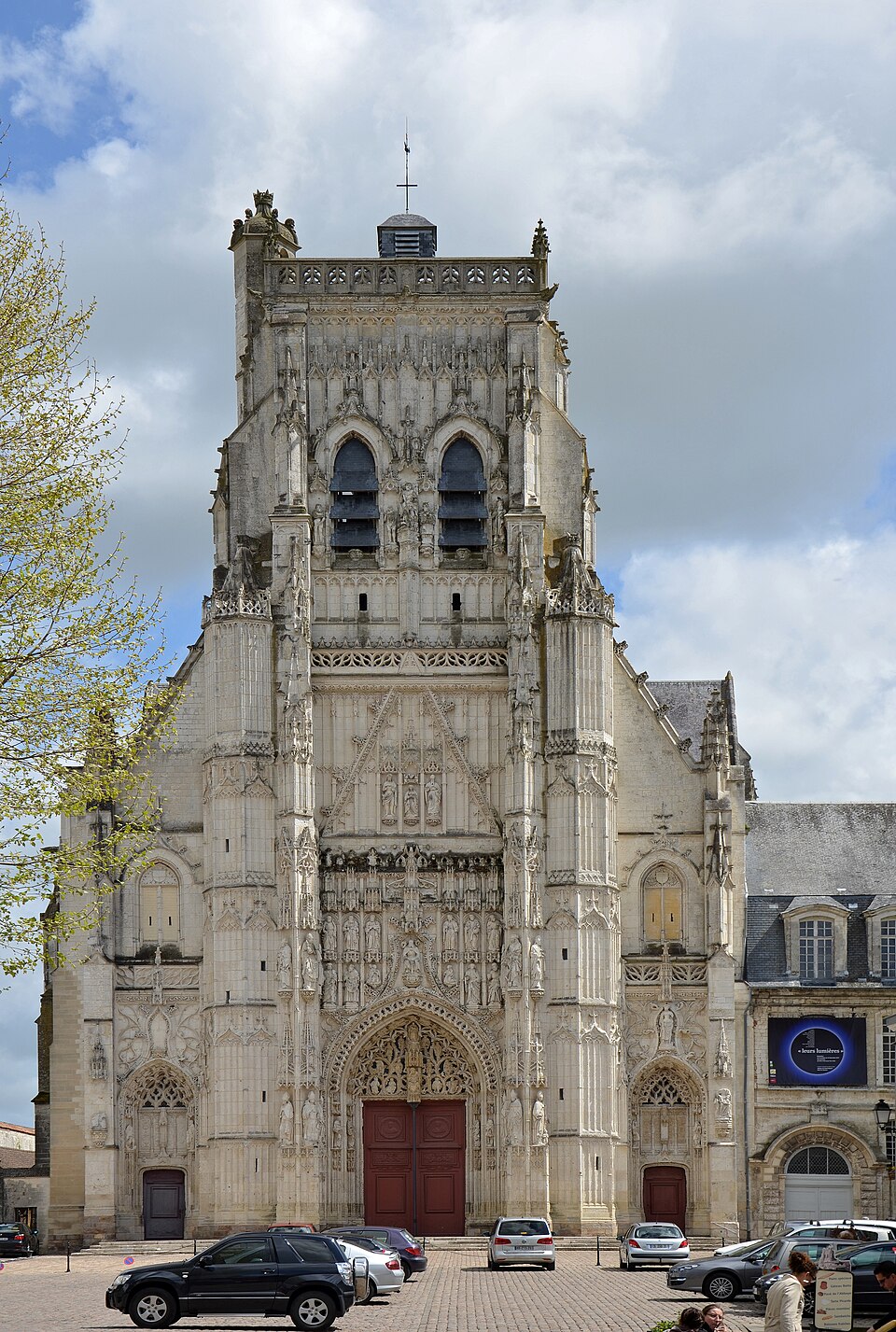
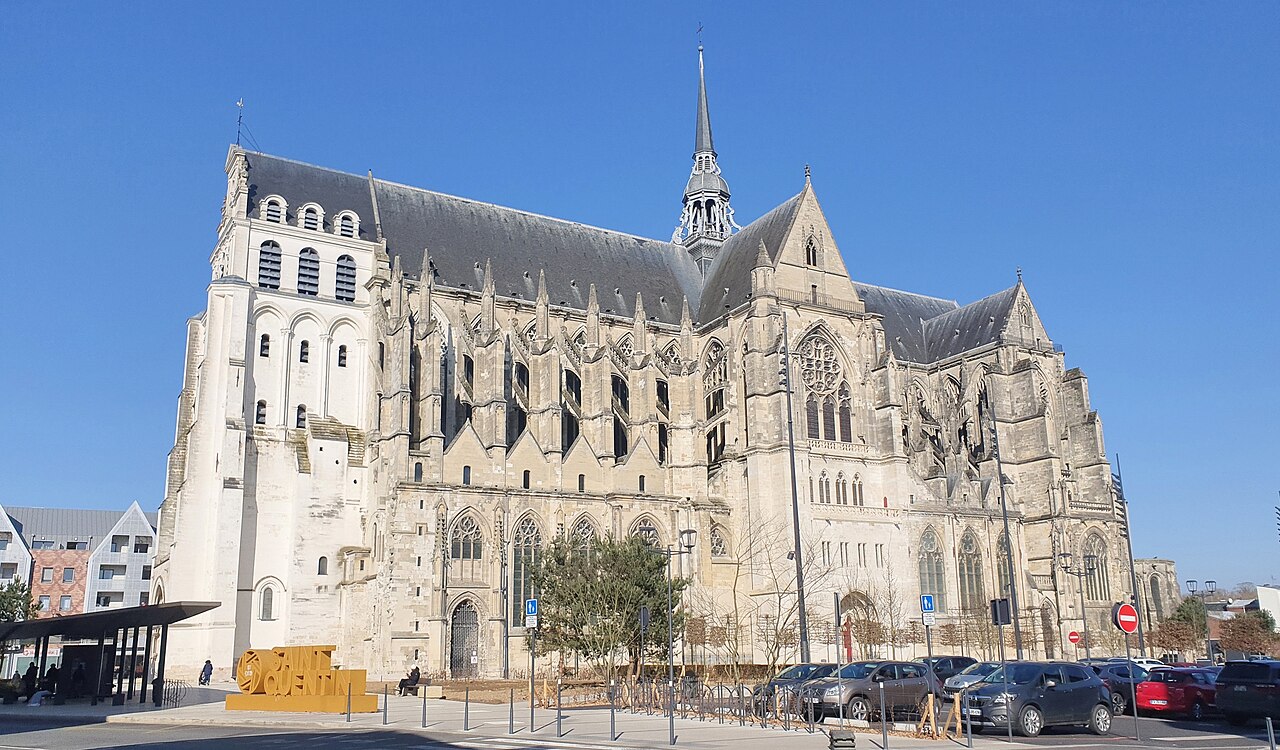
Saint-Quentin combines Art Deco elegance with medieval heritage. Its colorful facades tell centuries of history. The town exudes creativity, with its local artisan workshops.
Beauvais, famous for its unfinished cathedral, fascinates architecture lovers. Its historic district invites leisurely strolls. The cobbled streets hide unexpected treasures.
To extend your adventure, discover other getaways from Île-de-France. Picardy is waiting for you!
Arras, Lens and Laon: medieval treasures and mining heritage
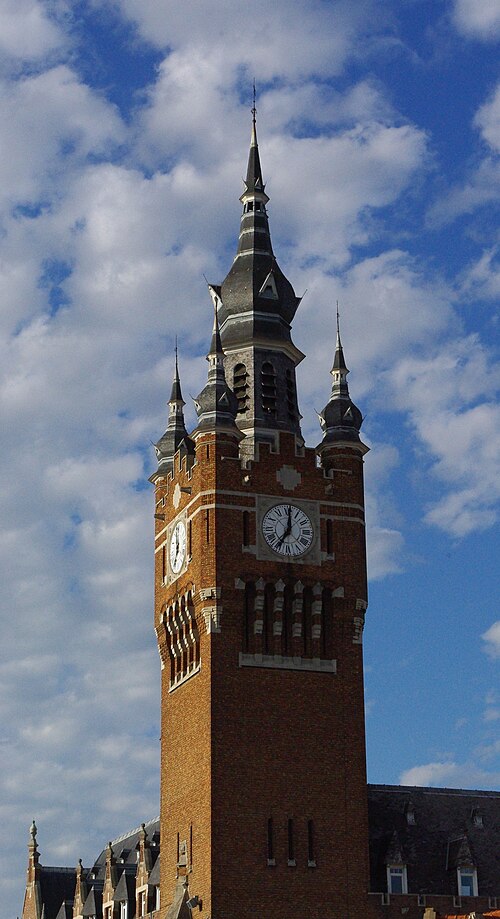
Arras captivates with its Baroque squares and its UNESCO-listed belfry. Stroll through the Grand-Place and the Place des Héros. Admire the colorful Flemish façades. The belfry offers a panoramic view of the city. Don’t miss the Boves, a network of 10th-century underground quarries.
Lens, a former mining town, is home to the Louvre-Lens. This modern museum showcases masterpieces from the Louvre. The landscaped park surrounding it is perfect for a nature break. Also discover the Stade Bollaert-Delelis, a football mecca. The mining heritage is highlighted at 9/9bis, a unique cultural site.
Laon, perched on a hill, overlooks the Picardy plains. Its Gothic cathedral impresses with its scale. Explore the medieval streets and ramparts. The Petit Train Touristique allows you to discover the city effortlessly. For a practical stay, check out our guide to stay in L'Isle-Adam.
These three cities offer a unique blend of history and modernity. Perfect for a day trip from L'Isle-Adam. Plan your visit with our tips for stress-free travel.
Monuments and heritage: the Picardy architectural gems
Picardy is teeming with architectural treasures. Its monuments recount centuries of history. Every stone bears the mark of a rich and turbulent past. The most impressive is undoubtedly Amiens Cathedral.
Amiens and its cathedral: Gothic jewel and floating gardens
Amiens, the capital of Picardy, is home to one of France’s most beautiful treasures. The Amiens Cathedral, a UNESCO World Heritage Site, is a Gothic masterpiece. At 112 meters long, its sheer size is impressive—it is the largest cathedral in France. Its sculptures and stained-glass windows are well worth seeing and tell centuries of history. Like Notre-Dame de Paris, it symbolizes medieval art.
Don’t miss the Chromatic show. Projected onto the façade, it bathes the cathedral in vibrant colors. A magical experience, especially in the evening. Book your tickets in advance to avoid long lines.
End your visit with a tasting of Amiens macarons. These local almond-based treats are a delight. A sweet souvenir to take home from your trip.
The Château de Pierrefonds
Its medieval charm captivates visitors. Restored in the 19th century, it feels like something straight out of a fairy tale. Its towering turrets overlook the Compiègne Forest.
The Abbey of Saint-Riquier
A Romanesque gem worth visiting. Founded in the 7th century, it blends simplicity with grandeur. Its cloister invites quiet reflection.
The Citadel of Doullens
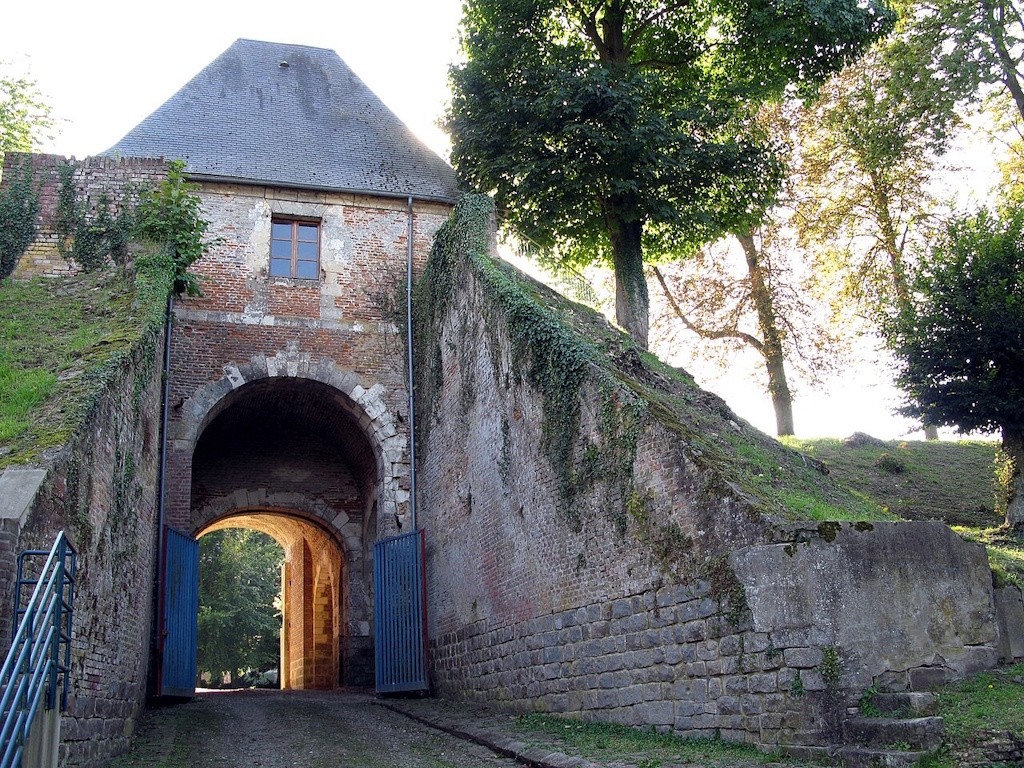
Don’t miss the citadel of Doullens. This 16th-century fortress bears witness to past wars. Its ramparts offer a panoramic view of the Picardy countryside.
Museums and culture: exploring local art and history
Picardy is brimming with captivating museums. They tell the story of its rich and varied past. Each town holds its own cultural treasures to discover.
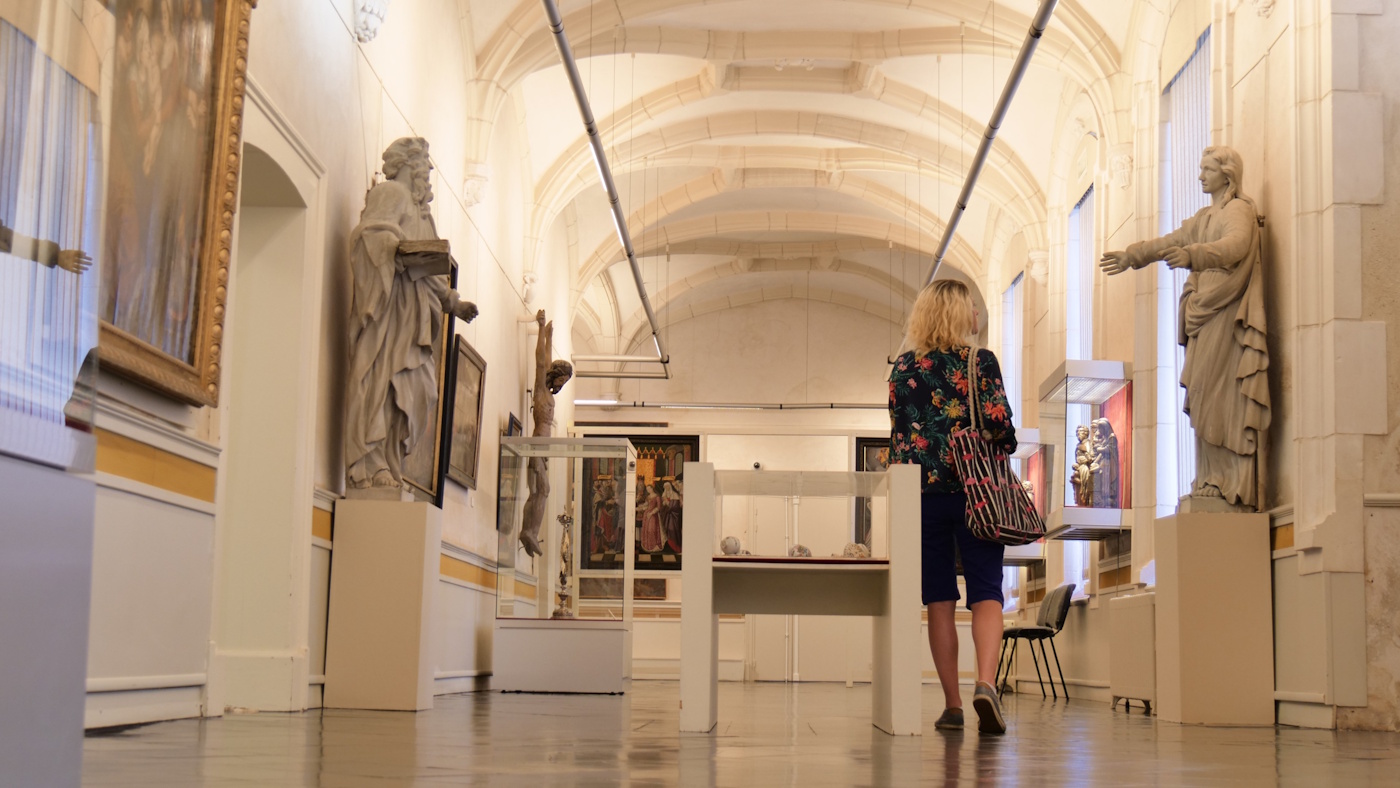
In Amiens, the Musée de Picardie houses exceptional collections. Paintings, sculptures, and archaeological objects are on display. Don’t miss its medieval works and Impressionist canvases.
The Mémorial de l’Internement et de la Déportation in Compiègne recalls a dark chapter of history. It evokes World War II and the internment camps. A poignant place to understand the past.
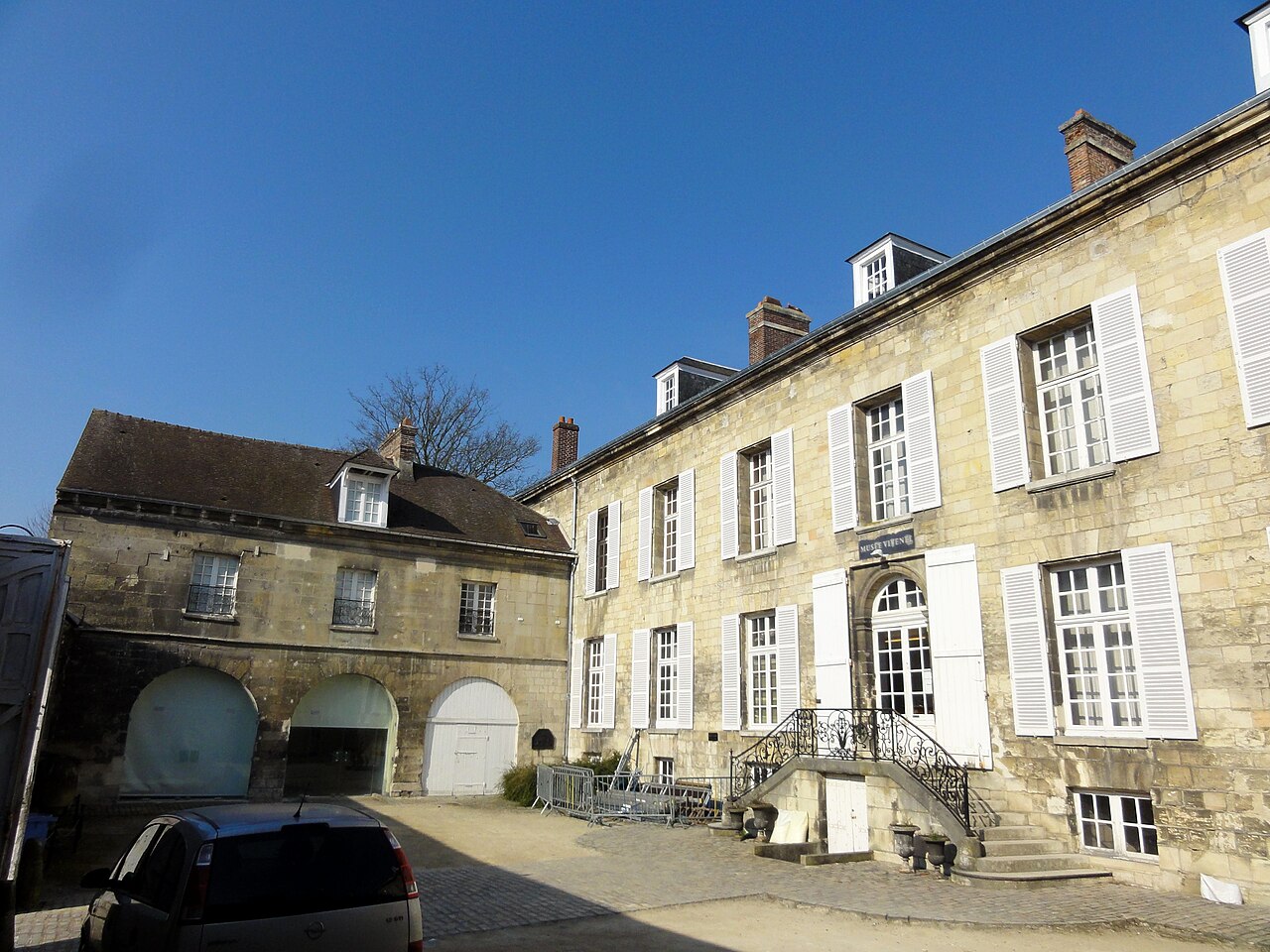
For lovers of modern art, the Musée Antoine Vivenel in Compiègne is a gem. It features prints, ceramics, and 19th-century paintings. A dive into the aesthetics of the era.
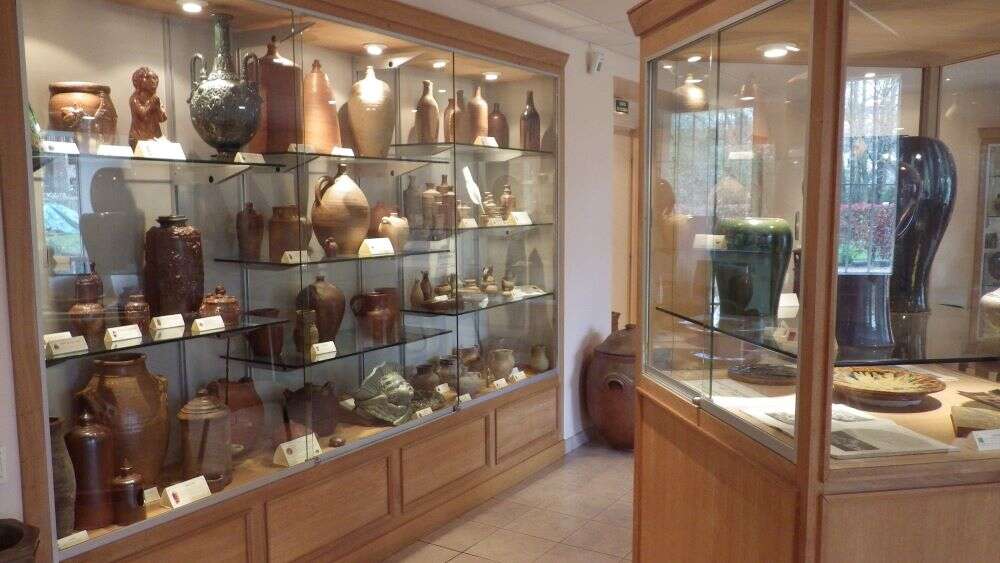
Finally, the Musée de la Poterie in La Chapelle-aux-Pots showcases a local craft. Discover the art of Picardy pottery through the centuries. A visit that is both educational and inspiring.
To delve deeper into French history, also explore the meaning of November 11th in France. Or immerse yourself in the world of the Impressionists, so close to Picardy.
Picardy gastronomy: where to taste the regional specialties
Picardy is brimming with unique flavors. Its traditional dishes will delight your taste buds. Discover where to enjoy them for an authentic experience.
Try the ficelle picarde, a thin crepe filled with ham and mushrooms. The restaurant Le Quai de l’Aisne in Saint-Quentin serves it to perfection. Its warm atmosphere makes it a must-visit spot.
Don’t miss the soupe des hortillons, a hearty peasant soup made with local vegetables. The Bistrot des Hortillons in Amiens serves it seasonally, set against a lush green backdrop that enhances this comforting dish.
For meat lovers, the gigot d’agneau picard is a must-try. The Relais de la Haute Somme prepares it with aromatic herbs—an address renowned for its generous cuisine.
End your meal with a tarte au maroilles, the region’s signature cheese, in a sweet-and-salty version from the Fromagerie des 3 Vallées in Laon. A true indulgence not to be missed.
Want to extend your culinary journey? Discover more French gourmet traditions to enrich your stay.
The Flanders and French Flanders further north
History of Flanders: from its origins to today
French Flanders bears the marks of a tumultuous past. Its history dates back to antiquity, when the Romans established trading posts here. Later, the Franks made it a strategic territory.
The Flanders region emerged in the Middle Ages. Its name comes from the Germanic term “flauma,” meaning “flood.” The marshy area flourished thanks to maritime trade. Bruges and Ghent (in Belgium) became strongholds as early as the 12th century.
The region became a power struggle. The Counts of Flanders ruled it with an iron fist. Their influence extended far beyond today’s borders. Cities like Lille and Dunkirk thrived on wool and cloth trade. By the 15th century, the region fell under Burgundian rule, then Spanish in the 16th. Religious wars raged here. Flanders became a battleground between Catholics and Protestants, forging its identity in these conflicts.
The religious wars marked a turning point. Flanders came under Spanish rule in the 16th century. Conflicts with France intensified. Louis XIV finally annexed part of the territory in 1668 (Treaty of Aix-la-Chapelle).
In the 14th century, Flanders dominated Europe’s textile industry. English wool was transformed into luxury fabrics there. Flemish cities grew rich. Their prosperity drew artists and architects. The belfries and market halls still bear witness to this.
The Treaty of Utrecht (1713) divided Flanders between France and the Netherlands. Lille and Douai became French. The Industrial Revolution reshaped Flanders in the 19th century. Coal mines and textile factories forged a new landscape.
The Flanders region blends medieval heritage with modernity. Like L’Isle-Adam, it offers a unique mix of history and charm. Its cultural legacy remains vibrant, between Flemish traditions and European influences.
Today, French Flanders is part of the Hauts-de-France Region and stretches northward to the Belgian border.
Where is French Flanders located? Geography and borders
French Flanders nestles in northern France. It forms part of the Hauts-de-France region. Its territory extends along the Belgian border—a strategic position between two cultures.
This historic region covers around 4,000 km². It includes cities like Lille, Dunkirk, and Hazebrouck. Its landscape combines fertile plains and dynamic urban areas—a unique blend of nature and heritage.
French Flanders’ borders have shifted over the centuries. Today, it is bordered by Belgium to the east. To the south, it touches Artois and French Hainaut. Its natural limits include the Lys and Scheldt rivers.
Its oceanic climate shapes its agriculture and traditions. Winters here are mild, summers temperate—a land conducive to local flavors and lush landscapes. To prepare for your trip, consult our practical tips.
French Flanders also stands out for its river network. Canals and rivers have facilitated trade for centuries, a trait that has shaped its identity. Discover its hidden gems, such as its architectural treasures.
Must-see highlights of Flanders: a journey between culture and nature
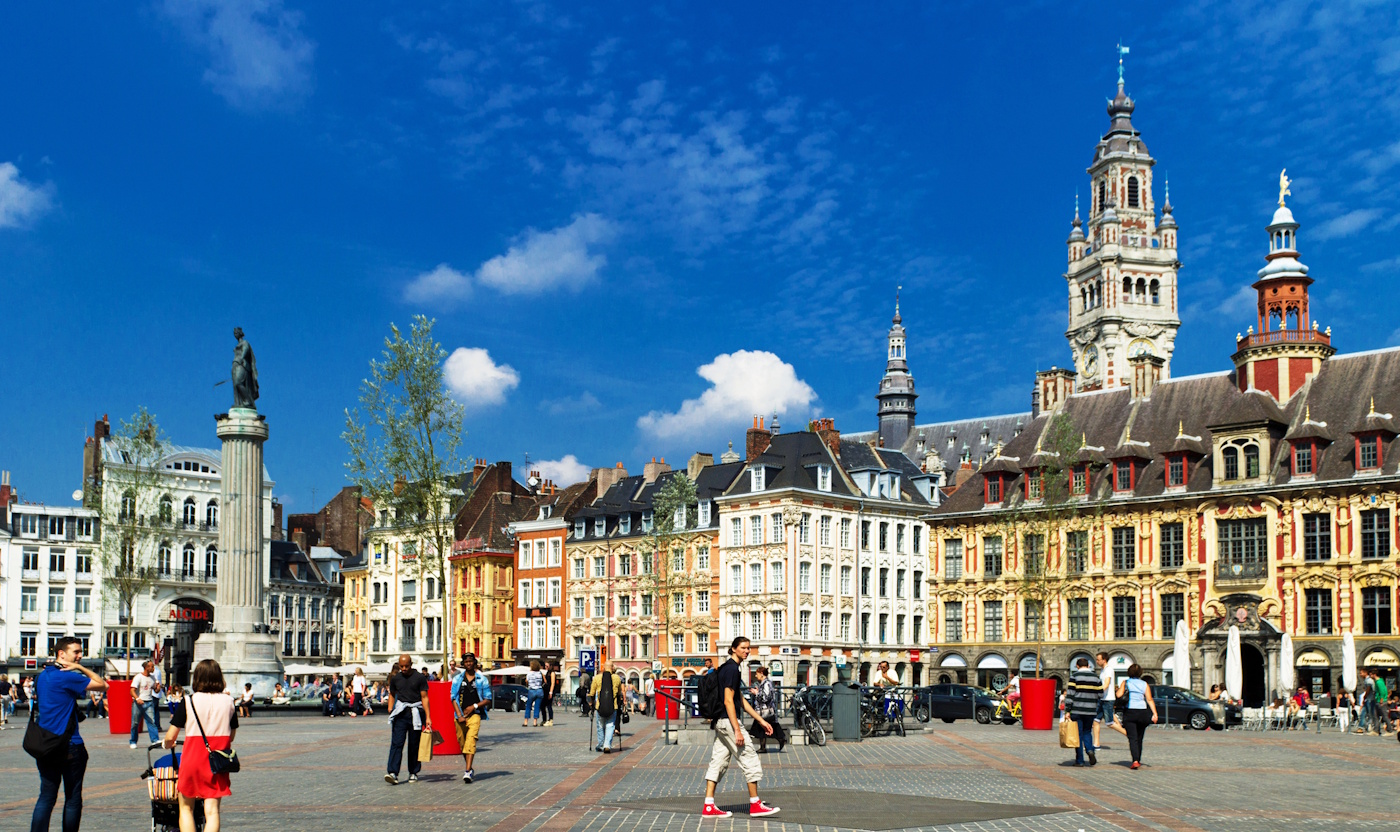
French Flanders overflows with gems to explore. Start in Lille, its vibrant capital. Stroll through Old Lille and admire its colorful houses. Don’t miss the Grand-Place and its unique Flemish architecture.
Head to Dunkerque for its historic port and beaches. The maritime museum offers a fascinating dive into seafaring history. Art lovers will appreciate the LAAC, an open-air contemporary art museum.
In Cassel, climb the Mont des Récollets. The panoramic view over the Flemish plain is breathtaking. The departmental museum there traces the local history with a variety of collections.
For a delicious experience, try the local specialties. The estaminets serve typical dishes like carbonade flamande. The markets are brimming with local produce to take home.
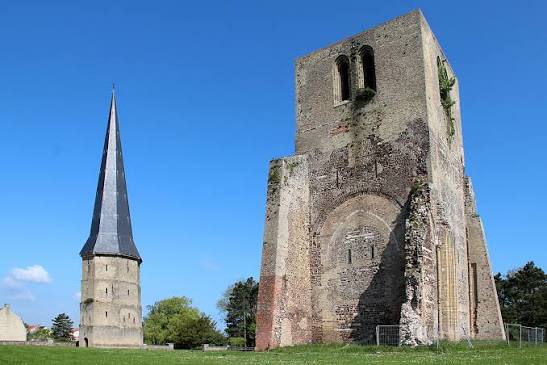
Finally, explore the UNESCO-listed belfries. Those of Bergues or Bailleul are symbols of Flemish heritage. These towers offer stunning views of the region.
Prepare for your visit with our practical tips for a successful stay. French Flanders will captivate you with its authenticity and cultural richness.
Lille, Dunkirk and the other iconic towns of the region
French Flanders boasts towns steeped in history and character.
Lille’s must-sees: what to see and visit in 2026
Lille captivates with its unique blend of history and modernity. Begin with the Grand’Place, the city’s vibrant heart. Its colorful Flemish facades and Baroque architecture are well worth seeing. Don’t miss the Vieille Bourse, a jewel of the 17th century. Its lively courtyard hosts secondhand book dealers and chess players.
Continue with the Palais des Beaux-Arts, one of France’s largest museums. Its rich collections of paintings and sculptures will impress art lovers. For a panoramic view, climb the Beffroi de Lille. Its 104 meters offer breathtaking views over the city.
Stroll through the Wazemmes district, known for its bustling market and bohemian atmosphere. A perfect spot to sample local specialties. Finally, explore the Lille Métropole Museum of Modern, Contemporary and Outsider Art (LaM), a magnet for contemporary art enthusiasts. Its innovative exhibitions make it a must-see.
Lille charms with its creative energy. The city brilliantly combines tradition and modernity. Its lively streets overflow with art galleries, trendy cafés, and festivals year-round.
Lille, its capital, charms with its mix of Flemish elegance and modern dynamism. Its city center, with its colorful facades and Grand’Place, invites leisurely exploration. Don’t miss the Vieille Bourse, a jewel of the 17th century.
Dunkirk
Dunkirk, a port city, offers another face of the region. Its UNESCO-listed belfry towers over the town. The beaches of the North and the maritime museum recount its seafaring past. A must-stop for history and open-space enthusiasts.
Hazebrouck
More discreet, it charms with its authenticity. The Augustins Museum showcases remarkable Flemish works. Cassel, perched on a hill, offers a panoramic view over the surrounding plains. Its belfry and cobbled streets make it a picturesque spot.
Armentières
Famous for its breweries, and Roubaix, an industrial city in full renaissance, round out this picture. Each town reveals a unique facet of Flanders. To prepare your visit, check out our practical tips.
These cities, rich in heritage, all deserve a stop. Their warm atmosphere and captivating history make them standout destinations. Ready to explore?
Monuments and heritage: architectural treasures of French Flanders
French Flanders overflows with architectural gems. Its heritage tells centuries of history. Every stone bears witness to Flemish, Spanish, and French influences.
In Lille, the Vieille Bourse captivates with its Flemish Renaissance style. Its arcades and inner courtyard invite leisurely strolls. A must-see for lovers of beautiful stonework.
Dunkerque is home to the beffroi Saint-Éloi, a UNESCO-listed landmark. Standing at 58 meters tall, it offers panoramic views of the region. Its carillon still rings out today.
In Bergues, the abbaye Saint-Winoc impresses with its Gothic architecture. Its vaulted ceilings and stained glass are well worth the visit. A place steeped in emotion and spirituality.
Don’t miss the hospices de Bailleul. Their red-brick façade and medicinal garden are enchanting. A well-preserved medieval legacy.
To plan your visit, check out our practical tips. The French Flanders region also reveals itself through its monuments.
Museums and culture: diving into the Flemish soul
The French Flanders region is brimming with captivating museums. They tell its history, traditions, and unique art. Each visit is an immersion in the Flemish soul, blending modernity and heritage.
The Flanders Museum in Cassel is a must-see. It showcases Flemish artworks from the 16th to the 21st century. Paintings, sculptures, and decorative objects blend brilliantly here. A collection that celebrates the cultural identity of the region.
In Lille, the Palace of Fine Arts is truly impressive in its richness. France’s second-largest fine arts museum, it houses masterpieces by Rubens, Van Dyck, and Goya. An artistic journey not to be missed.
For history enthusiasts, the Port Museum of Dunkirk offers a glimpse into the maritime past. Housed in a former warehouse, it recounts the epic tales of sailors and corsairs. A dive into Flemish adventure.
The Mother-of-Pearl and Small Wooden Objects Museum in Méru, in the southern part of the region, is also worth a visit. It’s fascinating to explore the history of button-making.
Flemish culture also comes alive through its festivals. Such as those in Lille, where music and traditions intertwine. An authentic experience to discover the soul of a territory.
Finally, libraries and cultural centers bring local life to life. They offer exhibitions, lectures, and workshops. A fun way to explore French Flanders, far beyond the museums.
Flemish Gastronomy: Must-Try Specialties and Flavors
French Flanders delights with its hearty, comforting cuisine. Its dishes reflect a rich terroir, blending Flemish and French influences. Get ready for an unforgettable culinary journey.
Among the must-tries, savor the carbonnade flamande. This beef stew slow-cooked in dark beer, with onions and spiced bread, is pure bliss. The region’s famous fries often accompany it—a perfect match!
Cheese lovers will adore the Vieux Lille. This strong, pressed cheese pairs beautifully with a glass of beer or on a slice of bread. Its bold flavor may surprise at first, but it quickly wins you over.
For something sweet, the sugar pie is a local staple. Thin and crisp, it’s best enjoyed warm or cold. The Flemish waffles, thick and fluffy, are also a must. Ideal for a delicious snack.
To discover these specialties, explore the local estaminets. These typical inns offer a warm atmosphere and traditional dishes. A tip: visit the Christmas markets in Flanders for festive tastings. Draw inspiration from the ambiance of Parisian markets to experience something unique.
Finally, don’t forget the local beers. The region’s craft breweries produce blonde, brown, or amber beers. Perfect to accompany your meals or to enjoy on their own. A true delight for the taste buds!
Bruges, the Venice of the North: canals, belfry, and artisanal chocolates
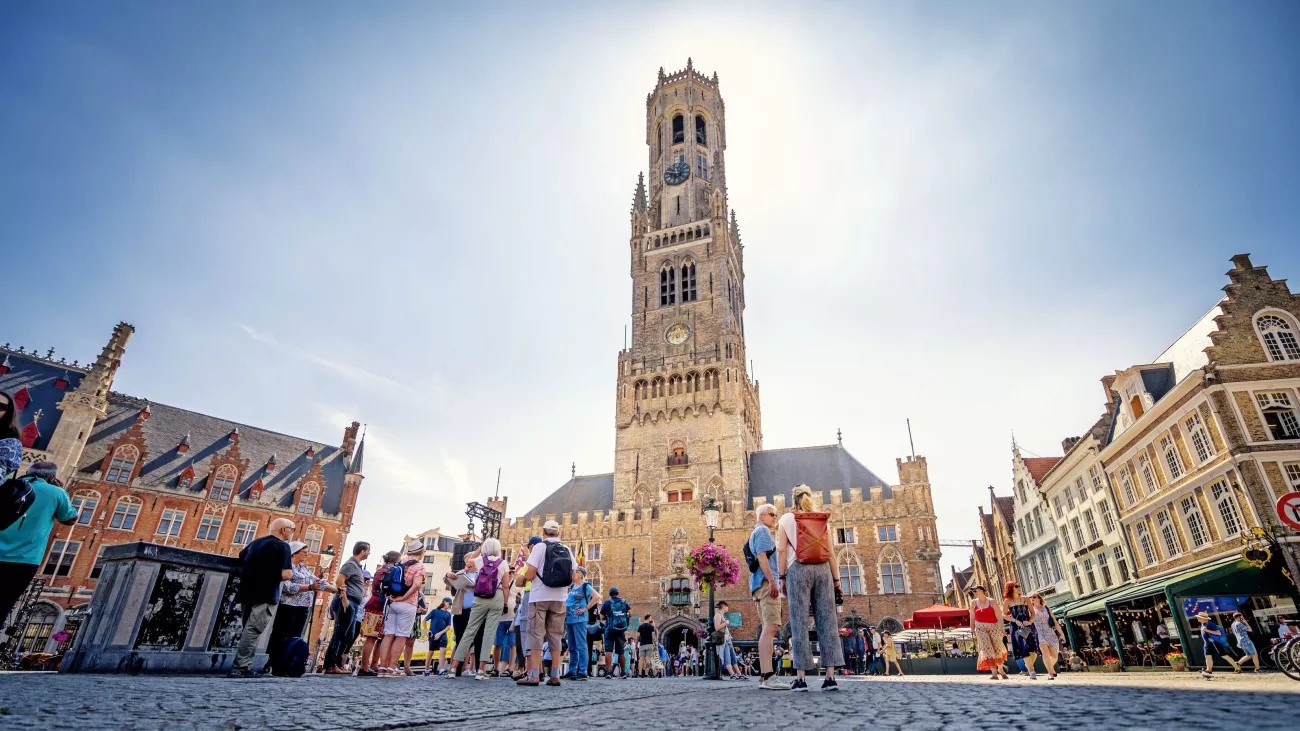
Bruges is located in Belgium. It captivates from the very first glance. Its winding canals earned it the nickname Venice of the North. A boat ride reveals medieval facades reflected in the water. A magical sight, especially at sunset.
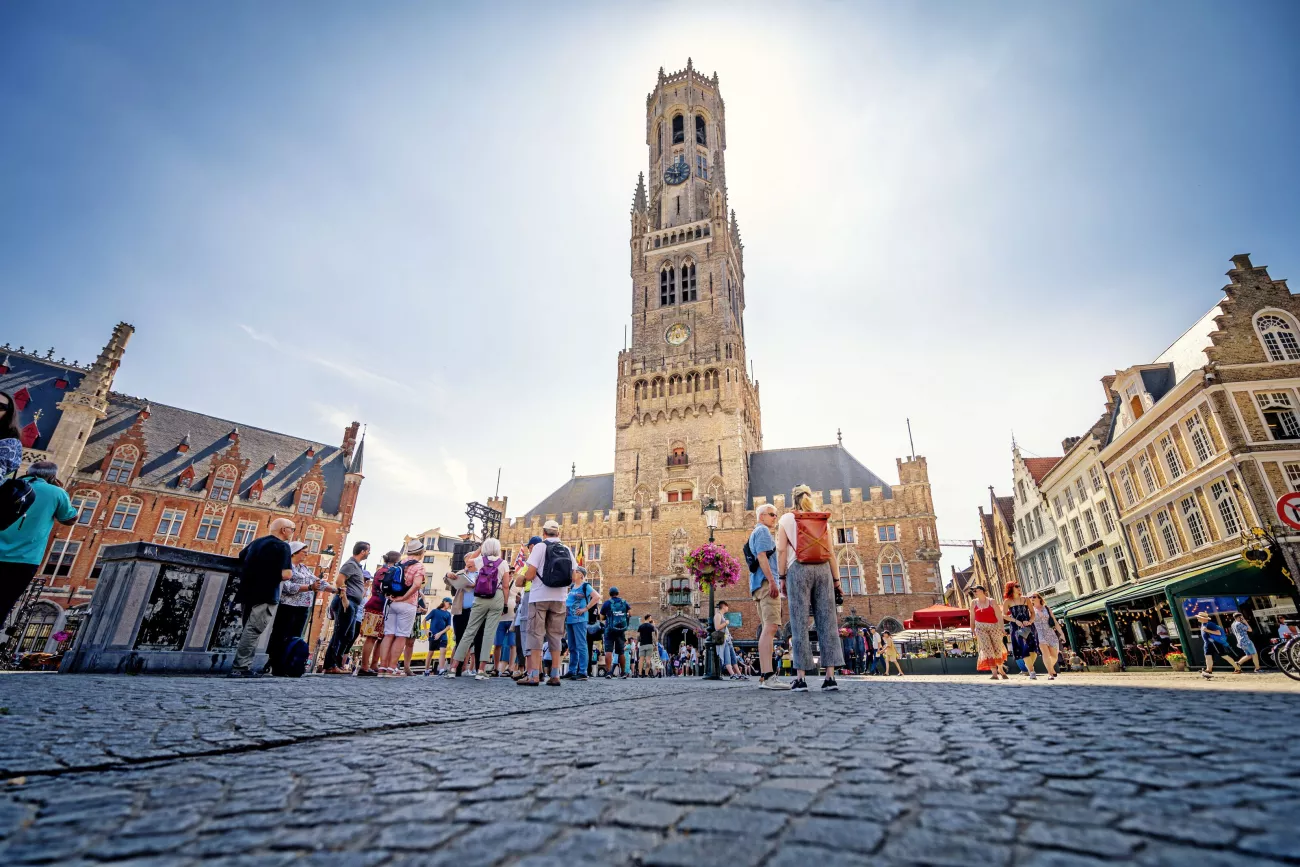
The Belfry of Bruges towers over the Grand-Place. Its 366 steps lead to a panoramic view of the city. The effort is well worth it. The carillons chime every hour, adding a poetic touch.
Sweet-toothed travelers won’t leave without sampling the artisanal chocolates. Shops like The Chocolate Line or Dumon Chocolatier push creativity to the limit. Pralines, ganaches, or truffles: a treat for the taste buds.
For a delicious break, local estaminets serve classic dishes. Flemish beef and beer stew, crispy fries, or Liège waffles. The atmosphere is warm, like a scene straight out of a Bruegel painting.
Bruges is best explored in 2 days. Plan a stress-free organized trip to make the most of your time. Our 10 tips for a successful stay will guide you.
Hidden gems of Flanders: off-the-beaten-path getaways
Escape the crowds. Discover little-known treasures. Flanders is brimming with secret spots untouched by mass tourism.
Start with Cassel, perched atop its hill. This Flemish village offers a 360-degree view over the plains. Its cobbled streets hide typical estaminets. Try the local beer there, brewed for centuries.
Next, head to Le Mont des Cats. This Trappist monastery produces a rare beer, sold only on-site. The monks also craft a creamy cheese. A spiritual and gastronomic stop.
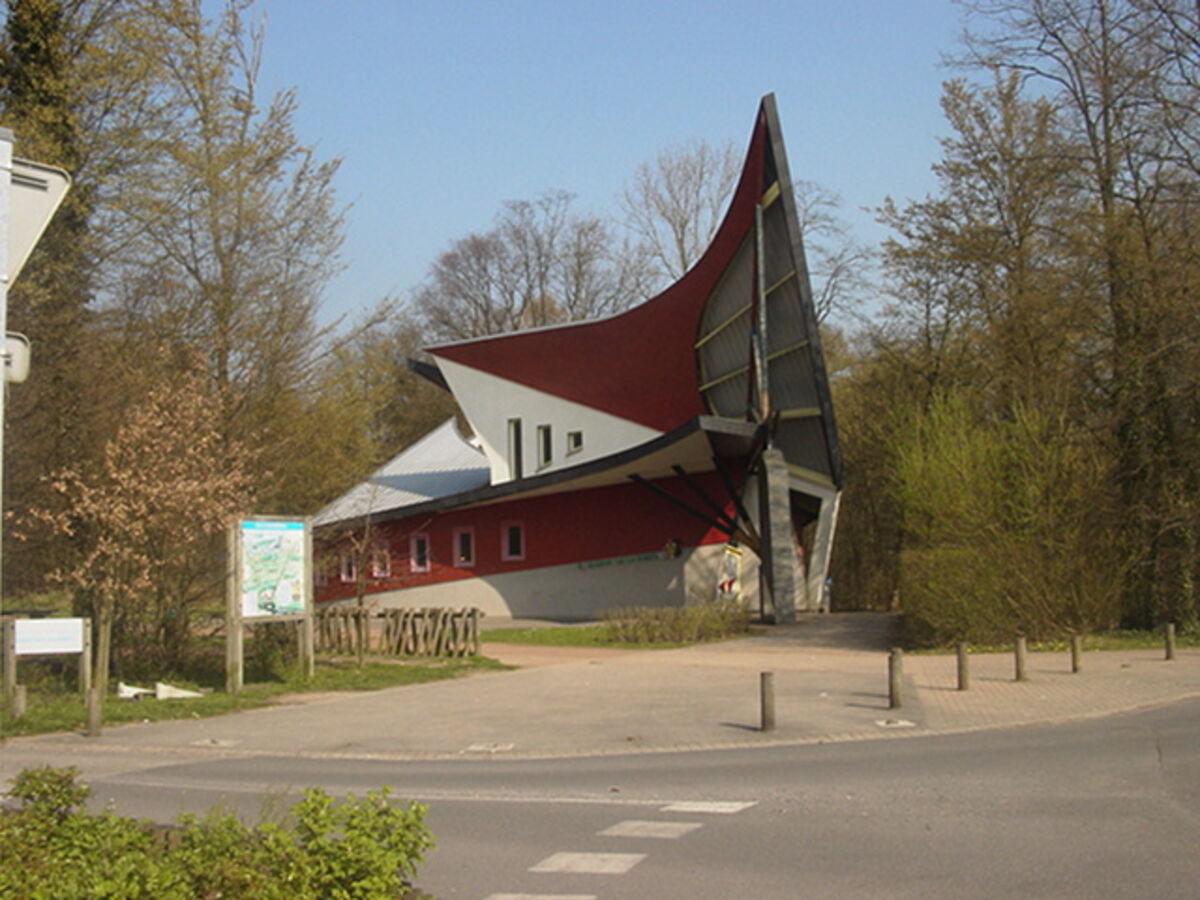
Don’t miss La Maison de la Nature in Raismes. This natural park features wild trails. Spot beavers and herons in their natural habitat. Perfect for a family nature break.
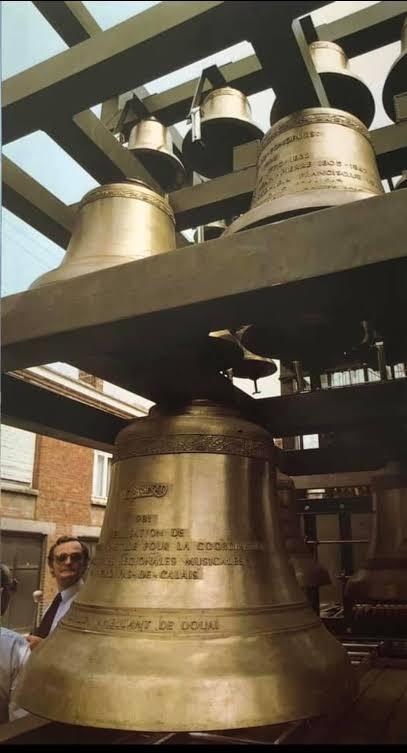
For a unique experience, visit the Musée du Carillon in Tourcoing. Discover the art of bell-making and ring them yourself. A unique sound heritage often overlooked by guides.
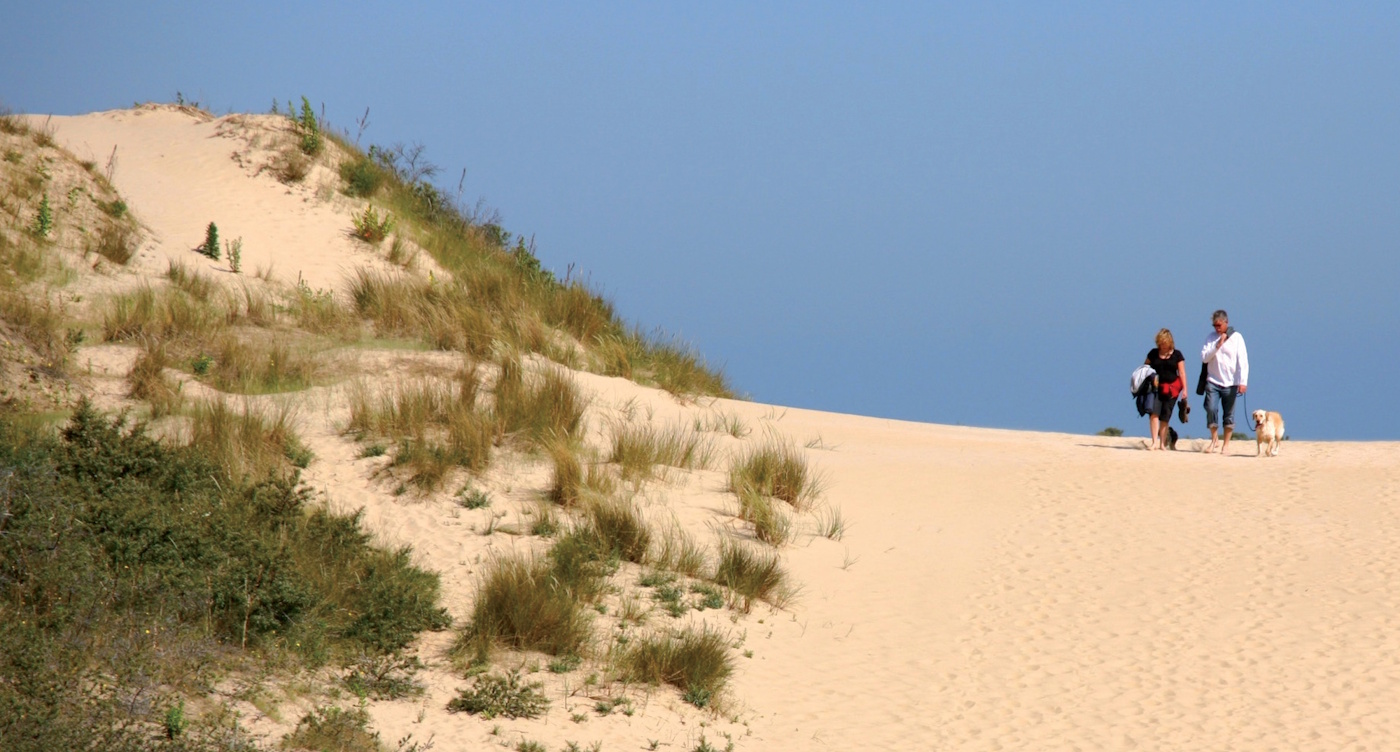
Finally, explore the Dunes of Flanders. These lunar-like landscapes stretch between sea and countryside. Ideal for hiking away from crowded beaches. A complete change of scenery just a stone’s throw from Belgium.
These getaways will take you off the beaten path. To prepare for your trip stress-free, check out our 10 tips for an organized stay. And if you’re staying in L’Isle-Adam, discover why it’s an ideal base for exploring the region.
Where to eat and stay: tasty addresses for a memorable stay
The Flanders region is brimming with delicious spots. Discover authentic dining and charming accommodations. Here are our favorites for an unforgettable stay.
In Amiens, sample Picardy specialties. Le Quai Restaurant offers local dishes. Try the *ficelle picarde* or Amiens macarons. Reserve an outdoor table to enjoy the floating gardens.
For accommodations, choose L’Hôtel Le Prieuré. This establishment combines comfort and history. Its spacious rooms offer views of the cathedral. Perfect for a cultural getaway.
In Bruges, don’t miss De Vlaamsche Pot. This restaurant serves traditional Flemish dishes. Enjoy a waterzooi or carbonnade. The warm atmosphere evokes the old-time estaminets.
For a romantic stay, select Hotel Dukes’ Palace. This 5-star boutique hotel charms with its elegance. Its spa and gourmet breakfast make it a peaceful retreat.
Need more ideas to plan your trip? Check out our guide Stress-Free Organized Trip to Paris. You’ll find practical tips for a successful stay.
If you're staying in L’Isle-Adam, also explore our recommendations for visiting Paris from this city. An economical and pleasant way to discover the region.
Souvenirs to bring back: Flemish specialties and crafts
The Flanders region is brimming with delicious and artisanal treasures. Perfect for extending your trip. Here are the must-haves to pack in your luggage.
The speculoos is an iconic biscuit. Crunchy and spiced, it pairs perfectly with coffee. Brands like Lotus or Dandoy are well-known. Buy them in bags or gift boxes.
The Flemish beers delight enthusiasts. Try Westvleteren, Kwak, or Delirium Tremens. Some breweries offer matching glasses. A unique and flavorful souvenir.
The Herve cheese is a must. This soft, raw-milk cheese has a distinctive flavor. Buy it from an affineur for optimal quality. Perfect for an impromptu picnic.
Local crafts also deserve your attention. The lace of Bruges is delicate and elegant. The pottery of Raeren blends tradition and modernity. These one-of-a-kind pieces make memorable gifts.
For broader gift ideas, check out our guide on the best Christmas gifts in Paris. You’ll find inspiration for all budgets.
Lastly, don’t forget the artisan chocolates. Bruges is famous for its chocolatiers. Choose pralines or ganaches. A treat that melts in your mouth.
These souvenirs will delight your loved ones. They’ll keep an authentic taste of your Flemish getaway. Ready to pack your suitcase?
Conclusion: Picardy and Flanders, an underrated experience
For those who want to discover another side of France. A historic region at the crossroads of two countries.
Bonus: 5 essential tips to help you plan and enjoy your stay in Paris
Have you noticed that our site provides tools to help you easily organize your trip to Paris so your stay is a stress-free success?
1. Phrasebook Translator for those who don’t speak French fluently
Having trouble finding the right word or expression in French? Click here on PHRASEBOOK – or at the top right of your screen. It’s a lexicon of 100 useful words and/or expressions for a tourist visiting Paris. You’ll feel at ease in restaurants, hotels, shopping, the metro, greetings, asking for directions, and more. Eight languages are available. And guess what? You can also listen to each word and expression in French.
2. VPBY’s Stay Generator
There’s so much interesting and educational to see in Paris. A well-organized stay is highly recommended. To help you, we’ve made our Stay Generator available to you FREE of charge.
In just 5 minutes and 5 clicks, you’ll get your half-day-by-half-day itinerary. And what’s more, all reservations—if you want them, with no obligation—for the sites you wish to visit. Booking for your transport (plane, train, or car) and your accommodation is also included. Even suggestions for valuable souvenir gifts for you, your friends, and your family.
How does it work?
Click on “Paris Stay Organizer,” completely free of charge, which will save you the hassle of trying to see the maximum in the minimum time. Then you’ll need to choose:
1/ Select your “general preferences” by clicking on the list (museums, churches, monuments, parks, etc.);
2/ The Stay Generator by VPBY will then suggest all relevant listings;
3/ You select by clicking on the names of the museums, monuments, parks, or activities you’d like;
4/ The organizer returns your itinerary for each day of your stay;
5/ with geographical optimization of daily visits—if you wish—to avoid tedious and tiring travel.
This can be done in 5 clicks and in just 3 minutes. And it’s completely free. To use it, click on "Paris Stay Organizer"
Note: want to know what users of the VPBY Trip Generator think about their experience? Click on "They created their trip with VPBY"
3. List of Reservations to Make
You have free access to our database to "tame" Paris (click on Paris Guide) and get to know Paris (click on Places to See). And to avoid wasting time in lines, we recommend making your reservations directly online a few days in advance. All official reservations are useful and available on our website:
Bookings to enter museums, monuments, shows, Seine cruises
Bookings for your arrival in France: planes, trains, cars
Bookings for your accommodation: hotels, apartments, guesthouses – in Paris or the immediate vicinity
You’ll find links to all these bookings directly in the articles about the visits that interest you or in the self-guided routes of our walks. By clicking on "Bookings" in the header bar, you’ll have access to all the reservations you’ll need during your stay. For example:
Book Notre-Dame de Paris entry (Free entry but booking recommended to avoid queues)
Book Château de Versailles: Entry ticket + Gardens access + Trianon Estate
4. Collectible Paris Photo Souvenirs
These are collectible HD photos available in digital format or as long-lasting prints (75 to 100 years). Their size ranges from postcard to large wall art (1 meter or more on a side). A lifelong keepsake to decorate your home. A quality souvenir (unlike the typical plastic Eiffel Tower or snow globe). At a very affordable price. Click on:
5. Take home a personalized photo report of your stay in Paris
Photography by professional photographers in Paris at the locations of your choice or suggested by us. A "family" report, wedding, or other events. From 1 hour to a full day. The best quality-to-price ratio. Click on: