The History of the Jews of Paris is woven throughout the history of the capital, which carries within it two thousand years of Jewish history. A history of light and shadow, of persecution and rebirth, of silence and resilience.
From the first Roman merchants to the artisans of the Marais, via the Dreyfusard intellectuals and the resistance fighters of World War II, the Jewish community has shaped the city. Its streets, monuments, and memorials tell this epic tale—one often overlooked by visitors.
Why explore these places? Because they offer far more than a simple journey through time. They invite you to understand an essential part of Parisian identity—an identity marked by diversity, struggle, and memory.
Whether you're planning 3 days in Paris or a longer stay, these sites deserve your attention. They remind us of what humanity is capable of at its worst… and at its best. Ready to walk in the footsteps of this history?
History of the Jews of Paris: Origins of Their Presence from the Romans to the French Revolution
The Jewish presence in Paris dates back to antiquity. The earliest traces date from the Roman era. Jews settled in the then-emerging city. They often came from the East or Italy.
In the Middle Ages, their situation became precarious. The kings of France expelled them repeatedly. Philip II Augustus banished them in 1182. They returned in 1198, but under strict conditions. Their lives centered around the Île de la Cité and the current district of the Marais.
Jews faced persecution and discrimination. They were accused of imaginary crimes. Yet they played a key role in trade and medicine. Their knowledge was recognized, but their status remained fragile.
The French Revolution marks a turning point. In 1791, Jews finally obtain citizenship. This emancipation ushers in a new era. To explore this historic district, discover our Marais walking tour.
Their history in Paris remains marked by centuries of resilience. Their legacy can still be discovered today in the streets of the capital.
The emancipation and golden age of Parisian Judaism in the 19th century
The 19th century marks a turning point for Jews in Paris. The French Revolution finally granted them citizenship in 1791. This emancipation opened up new opportunities. Jews gradually left the ghettos and integrated into French society.
Paris becomes a hub of attraction. Jewish families from Eastern Europe and North Africa settle there. The Marais district transforms into the heart of Jewish life. Synagogues, schools, and shops flourish in the area. Discover this iconic neighborhood on a historical walk.
Jews actively participate in intellectual and economic life. Figures like the Pereire brothers revolutionize finance. Others shine in the arts, medicine, or politics. This period is often referred to as the Golden Age.
Yet tensions persist. Antisemitism remains present, particularly in the press. But the Parisian Jewish community organizes itself. It establishes institutions to defend its rights. This momentum sets the stage for the challenges of the 20th century.
The Dreyfus Affair and its impact on the Parisian Jewish community
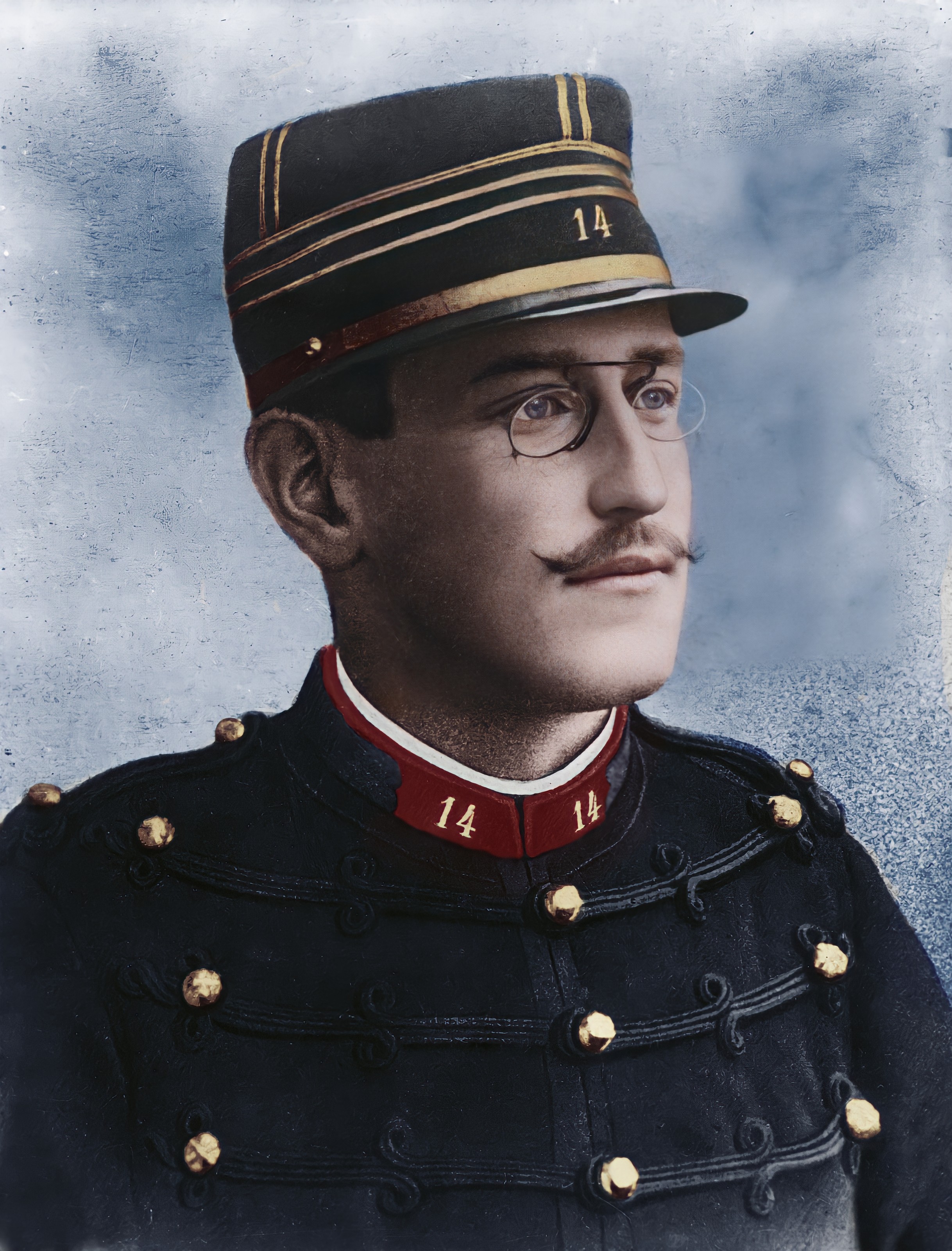
The Dreyfus Affair erupted in 1894. Captain Alfred Dreyfus, a Jewish Alsatian, was wrongly accused of espionage. Convicted of treason, he was deported to a penal colony. The affair divided France, exposing deep-seated antisemitism within the army and society.
Paris’s Jewish community was in shock. Many feared a rise in persecution. Intellectuals like Émile Zola came to his defense. His 1898 article "J’accuse…!" marked a turning point, denouncing injustice and reigniting public debate.
The Dreyfus Affair strengthened Jewish solidarity. Associations formed to defend Jewish rights. The Marais district, the historic heart of the community, became a symbol of resistance. Explore this iconic neighborhood on a walk from the Pompidou Museum to the Bastille.
In 1906, Dreyfus was finally exonerated. But the affair left its mark. It paved the way for future persecutions and underscored the need for vigilance against antisemitism.
The History of Paris’s Jews Under the Occupation: Persecution, Roundups, and Resistance
The German Occupation marks a tragic turning point for the Jews of Paris. As early as 1940, the Nazis impose discriminatory measures. The wearing of the yellow star becomes mandatory in 1942. Jewish businesses are boycotted, then Aryanized.
The roundups intensify from 1941 onwards. The French police actively collaborate. Thousands of Jews are arrested and then deported to extermination camps. The Marais district, the historic heart of the community, is particularly targeted. Discover this historically rich neighborhood.
Despite the terror, resistance networks organize. Parisians hide Jewish children. Fake papers are forged. Solidarity saves lives. Yet, over 50,000 Parisian Jews will perish in the Shoah.
The memorial sites today recall this dark period. Visiting Paris also means understanding its past. Plan your stay to explore these sites.
The Vel' d'Hiv' Roundup: Symbol of Collaboration and Deportation
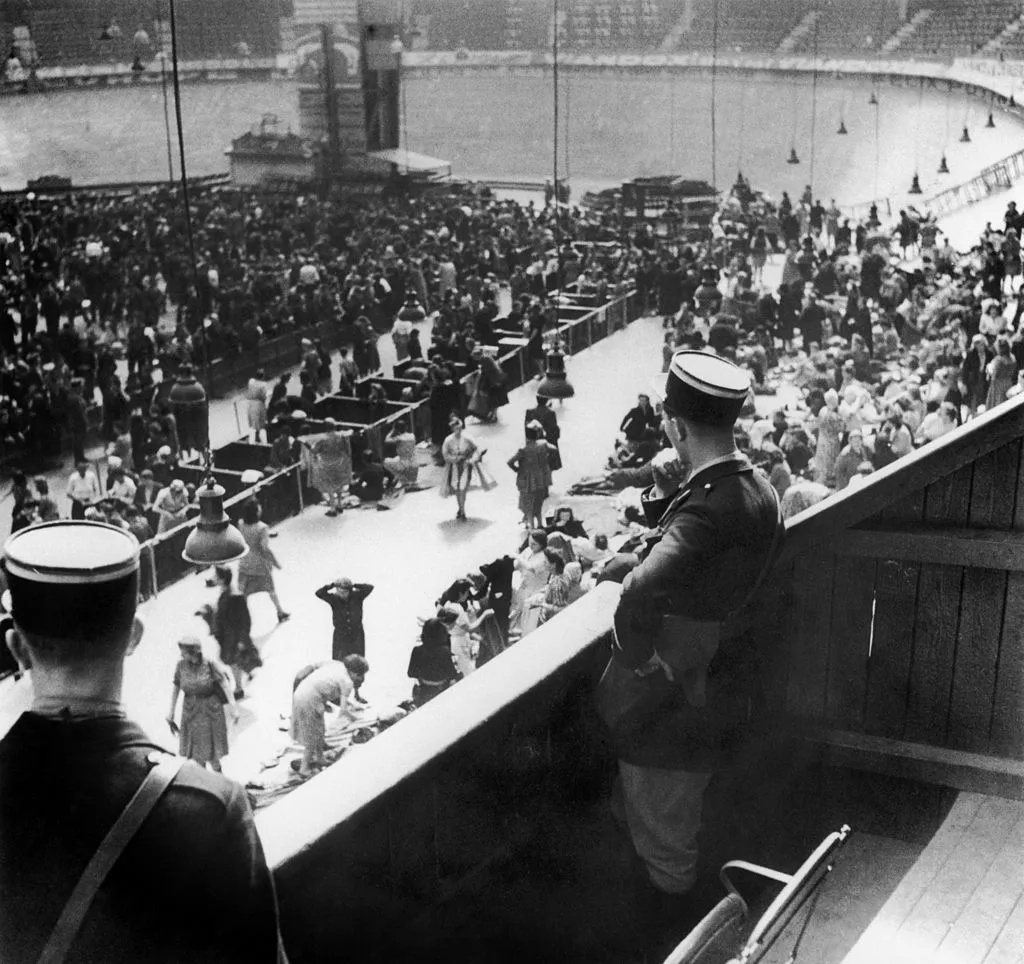
On July 16 and 17, 1942, Paris witnessed one of the darkest chapters in its history. Over 13,000 Jews, including 4,115 children, were arrested by French police. The Vel' d'Hiv' Roundup marked the beginning of mass deportations to Auschwitz.
The victims were first gathered at the Vélodrome d'Hiver in the 15th arrondissement. Conditions there were inhuman: lack of water, food, and hygiene. They were then transferred to the Drancy, Beaune-la-Rolande, and Pithiviers camps. No child survived.
This operation, organized by French authorities, illustrates the collaboration of the Vichy regime. It remains a symbol of the Shoah in France. Today, a commemorative plaque near the former Vel' d'Hiv' on rue Nélaton recalls this tragedy.
To discover other memorial sites, explore the Marais, a historic Jewish district. Or prepare for your visit with our practical tips.
Shoah memorial sites in Paris: museums, memorials, and commemorative plaques
Paris is home to poignant sites for remembering the Shoah. These places preserve the memory of the victims and teach history to future generations.
The Shoah Memorial is a must-visit.
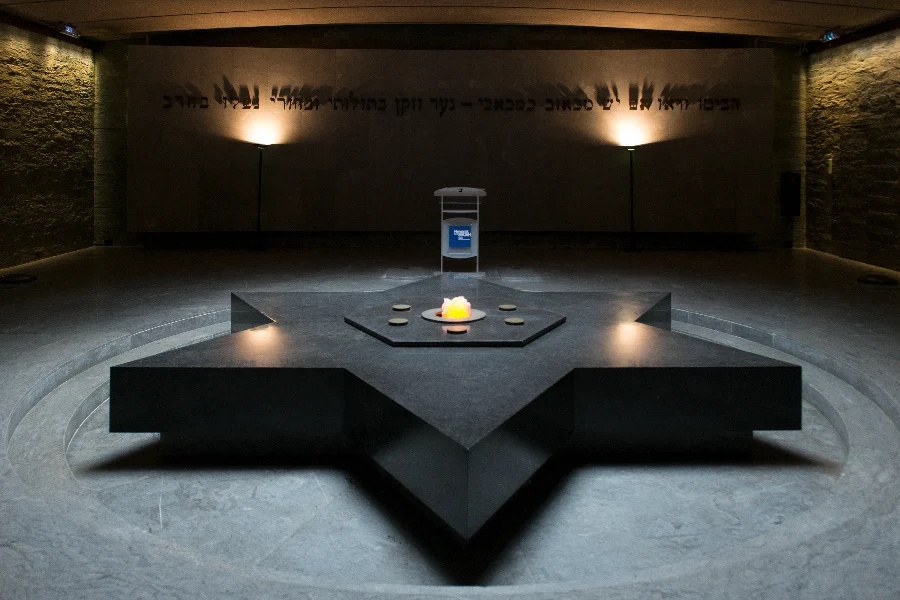
Located in the Marais, it features permanent and temporary exhibitions. Its Wall of Names honors the deportees. A documentation center complements the visit. Explore the Marais, a district steeped in Jewish history.
The Vélodrome d'Hiver
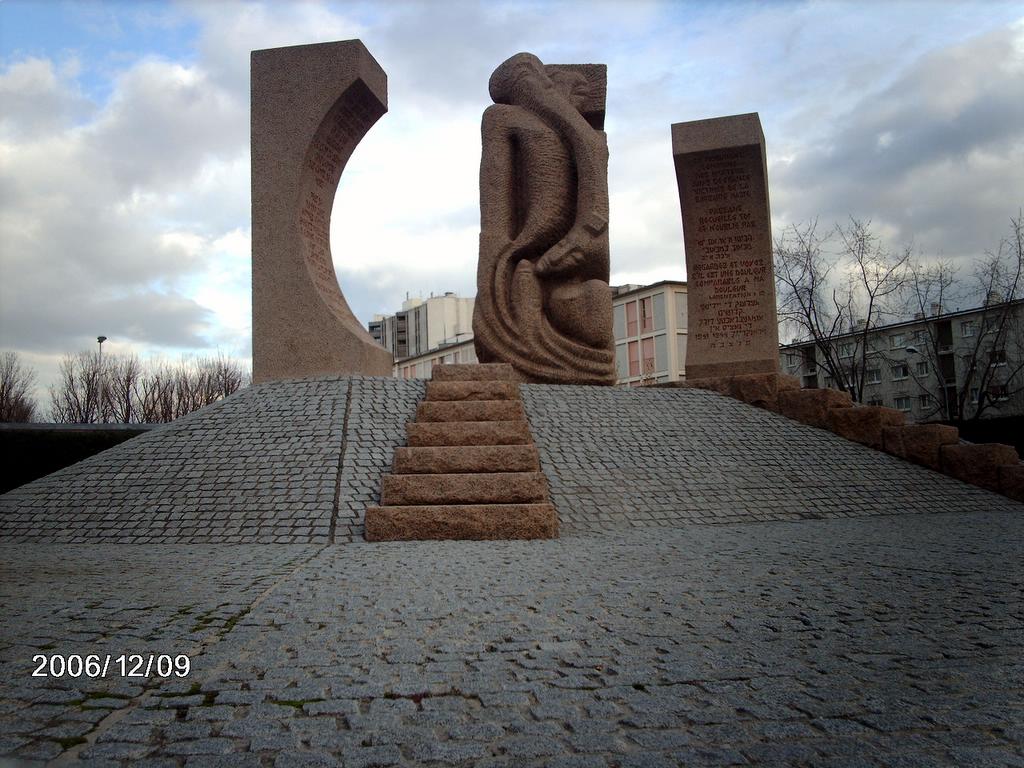
The Vél’ d’Hiv’ commemorative plaque recalls the 1942 roundup. Located on the Quai de Grenelle, it honors the 13,000 victims arrested here. A powerful symbol of French collaboration.
Other memorials dot the city. Like the Vél’ d’Hiv’ Children’s Garden or the plaques on schools. These discreet sites highlight the scale of the persecutions.
The Memorial to the Martyrs of the Deportation
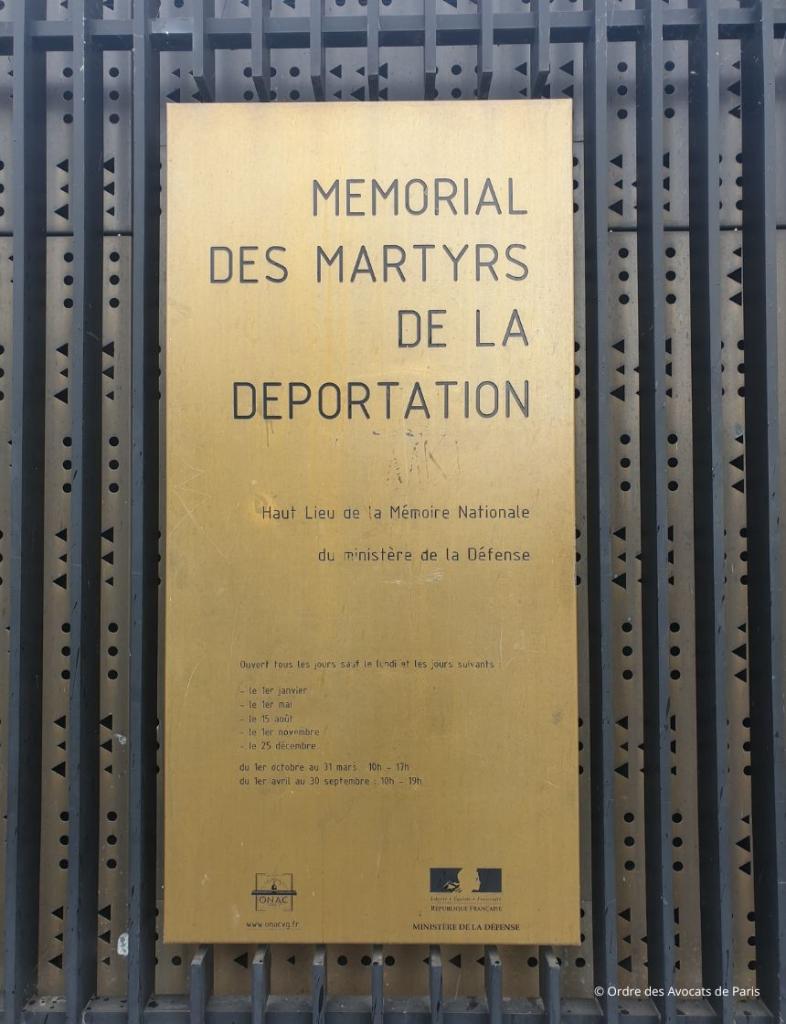
To delve deeper, visit the Memorial to the Martyrs of the Deportation. Situated on the Île de la Cité, it pays tribute to all deportees. A moving and essential experience.
Synagogues and iconic neighborhoods of Parisian Jewish life
Paris is home to historic synagogues, testaments to Jewish cultural richness. The synagogue on Rue Pavée (4th arr.) is the oldest. Built in 1913, its Art Nouveau style is striking. It was spared destruction during the war.
The Marais District
The Marais remains the beating heart of the Jewish community. This medieval district is home to kosher shops, bookstores, and traditional restaurants. A walk through the Marais reveals its Jewish history. The narrow streets preserve the memory of Ashkenazi families.
The Synagogue de la Victoire (9th arr.)
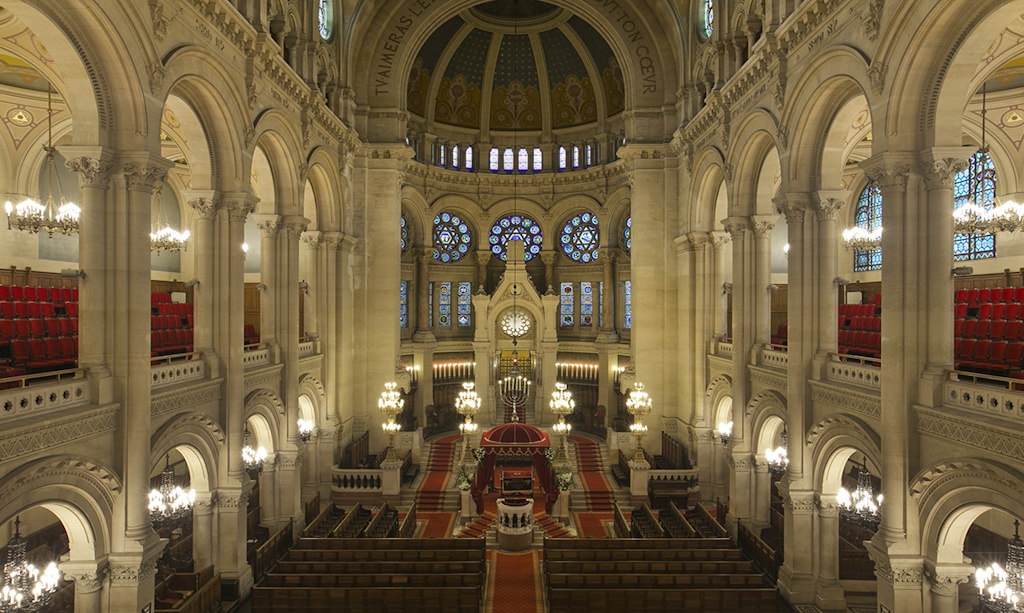
It symbolizes the integration of Jews in the 19th century. Inaugurated in 1874, it can accommodate 1,800 worshippers. Its Neo-Byzantine architecture dominates the neighborhood.
The Belleville district (20th arr.)
The Belleville district is home to a dynamic Sephardic community. Its synagogues and Middle Eastern grocers reflect this diversity. A blend of tradition and modernity can be seen here.
These places offer a journey through time. They remind us of the resilience and vitality of Parisian Jewish culture. A must-visit to understand its heritage.
Sites of remembrance in the Paris region: camps, cemeteries, and deportation sites
The Paris region is home to poignant places that recall the persecutions endured by Jews during the Second World War. These sites invite reflection and the passing on of memory.
The Drancy camp
It was the main transit point to the extermination camps. Today, the Drancy Shoah Memorial pays tribute to the deportees there. An emotional visit to understand the scale of the roundups.
The Bagneux cemetery in Paris
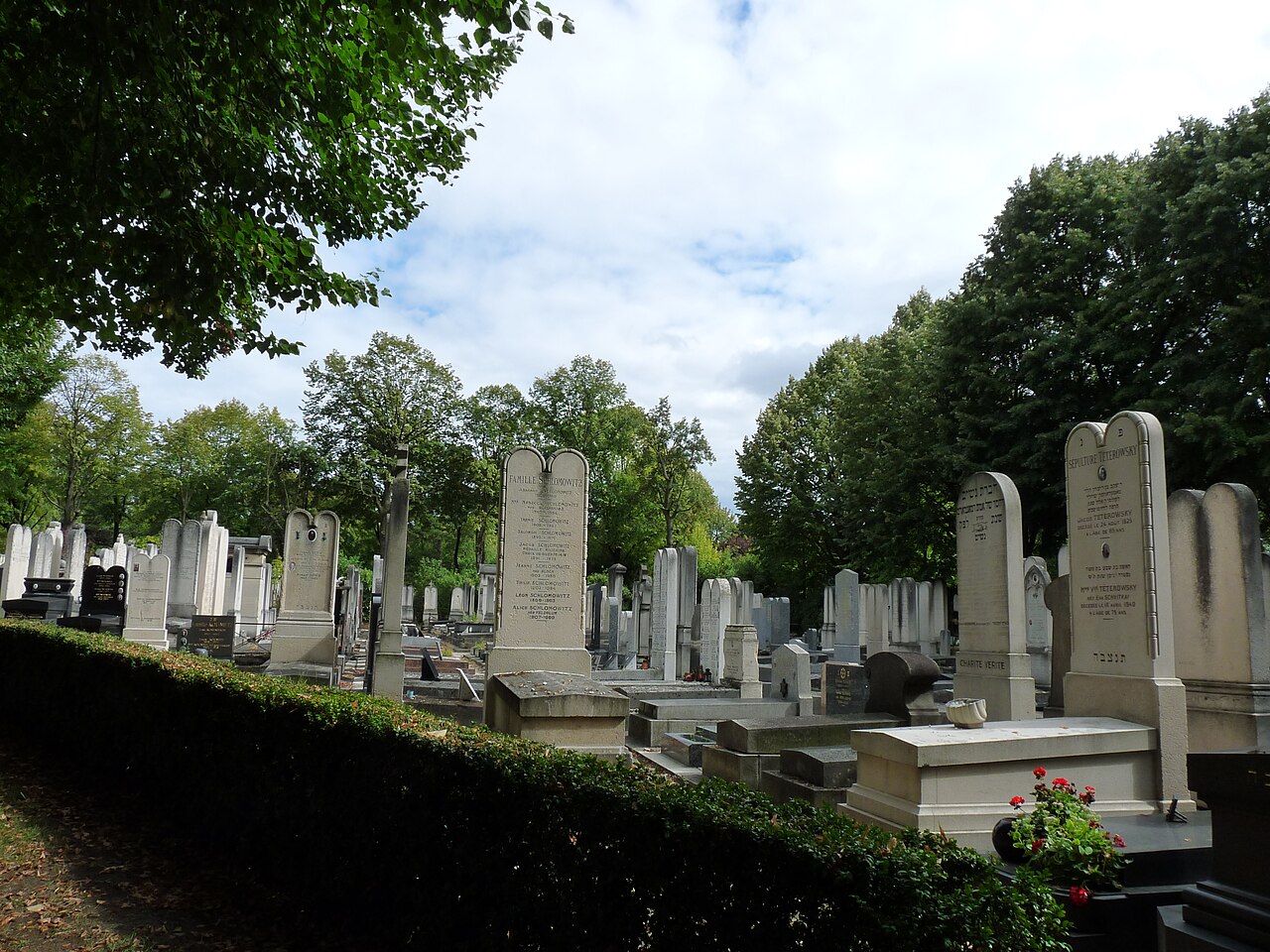
This Bagneux cemetery holds the graves of Shoah victims. Commemorative headstones honor their memory. A place of silence and respect, away from the hustle and bustle of Paris.
To plan your visit, consult our guide on how to prepare your trip to Paris. These places deserve a place in your itinerary.
Other sites, such as the Camp des Milles near Aix-en-Provence (southeastern France), add to this memory. Though further away, they remain accessible during an extended stay. An essential stop to fully grasp the history.
Bonus: 5 key tips to help you plan and enjoy your stay in Paris
Have you noticed that our site provides tools to help you easily organize your trip to Paris so your stay is a stress-free success?
1. Phrasebook Translator for those who don’t speak French fluently
Struggling to find the right word or phrase in French? Click here on PHRASEBOOK – or in the top right corner of your screen. It’s a lexicon of 100 useful words and/or expressions for a tourist visiting Paris. You’ll feel at ease at restaurants, hotels, shopping, the metro, greetings, asking for directions, and more. Eight languages are available. And guess what? You can also listen to each word and phrase in French.
###2. VPBY’s Stay Generator
There are many interesting and educational things to see in Paris. We strongly recommend organizing your stay well. To help you, we offer you FREE of charge our Stay Generator.
In just 5 minutes and 5 clicks, you’ll get your half-day-by-half-day itinerary. Plus, all reservations—if you wish, with no obligation—for the sites you want to visit. You can also book your transportation (plane, train, or car) and your accommodation. Even suggestions for valuable souvenirs for you, your friends, or your family.
How does it work?
Click on "Paris Stay Organizer"—completely free—which will save you the hassle of trying to see as much as possible in the shortest time. Then you’ll need to choose:
1/ You select your "general preferences" by clicking on the list (Museums, Churches, Monuments, Parks, etc.);
2/ The VPBY Stay Generator then suggests all relevant listings;
3/ You select by clicking on the names of the museums, monuments, parks, or activities you wish to include;
4/ The organizer returns your itinerary for each day of your stay;
5/ with geographically optimized daily visits—if you wish—to avoid tedious and tiring travel.
It takes just 5 clicks and 3 minutes. And it’s completely free. To use it, click on "Paris Stay Organizer"
Note: Want to know what users of the VPBY Stay Generator think of their experience? Click on "They planned their trip with VPBY"
3. List of Reservations to Make
To save time waiting in line, we recommend making your reservations online a few days in advance. All official reservations are available and can be found on our website:
Reservations to enter museums, monuments, shows, and Seine River cruises
Reservations for your arrival in France: flights, trains, and cars
Reservations for your accommodation: hotels, apartments, and guesthouses – in Paris or nearby
You’ll find links to all these reservations directly in the articles about the visits that interest you or in the self-guided sections of our walking tours. By clicking on "Reservations" in the header bar, you’ll have access to all the reservations you’ll need during your stay. For example:
Notre-Dame de Paris entry reservation (Free entry but reservations recommended to avoid queues)
Book Versailles Castle tickets: Entry + Gardens + Trianon Estate
4. Collecting High-Quality Paris Souvenir Photos
These are high-definition collectible photos available in digital format or as long-lasting prints (75 to 100 years). Their size ranges from postcard to large format (up to 1 meter or more). A lifelong keepsake to decorate your home. A quality souvenir (unlike the typical plastic Eiffel Tower or snow globe). At a very affordable price. Click on:
5. Take home a personalized photo report of your stay in Paris
Professional photographers will capture your moments in Paris at locations of your choice or ones we recommend. A "family" report, wedding, or other events. From 1 hour to a full day. The best value for money. Click on: