Luxembourg Garden and the surrounding neighborhood
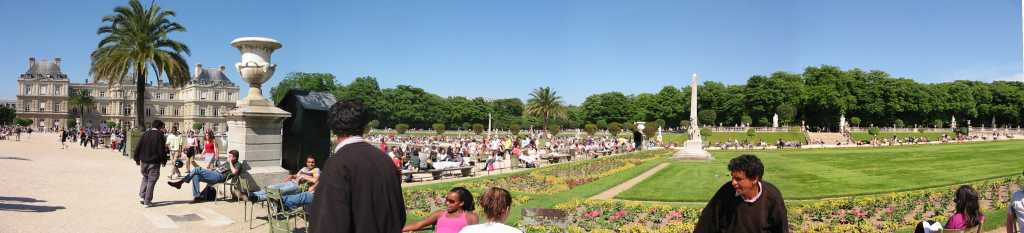
Welcome to the Luxembourg Garden, one of Paris’s most beautiful and iconic parks! Nestled in the heart of the 6th arrondissement, this oasis blends French elegance, rich history, and a bohemian atmosphere. Whether you’re a lover of monuments, art, nature, or simply seeking a moment of relaxation, this garden will captivate you. Get ready for an immersion in the Parisian soul, where culture, heritage, and lively student life intertwine.
Another great piece of NEWS: free exclusive access to our site that’s worth its weight in gold
This site offers a completely free "Paris Trip Organizer" to help you make the most of your time without the hassle.
1/ You enter your general preferences (museums, churches, monuments, parks, etc.),
2/ the organizer suggests all relevant listings,
3/ you select what you’d like to visit,
4/ the organizer generates a day-by-day itinerary for your stay,
5/ with optional geographical optimization of daily visits—if you wish—to avoid tiring, back-and-forth travel.
All in just 5 clicks and 3 minutes. And it’s completely free. To get started, click on "Paris Trip Organizer"
The visionary behind the Jardin du Luxembourg: Marie de Médicis (1575-1642)
The Jardin du Luxembourg owes its existence to Queen Marie de Médicis, wife of Henry IV. In the early 17th century, she wished to recreate the atmosphere of the gardens of her Florentine childhood. She therefore commissioned Italian architects to design this park, inspired by the gardens of the Villa Medici in Rome. Today, this historic site is a living testament to the art of French gardens, with its geometric flowerbeds, shaded pathways, and majestic statues.
23 hectares and a collection of ancient trees
The garden spans 23 hectares and offers a diversity of landscapes. You’ll find meticulously maintained lawns, vibrant flowerbeds, greenhouses housing rare orchids, and even an orchard where apple and pear trees grow. Botany enthusiasts will delight in the collection of ancient trees, some of which are classified as remarkable trees. A true breath of fresh air in the heart of Paris!
The two fountains
Among the must-see features of the garden, don’t miss the Médicis Fountain, a jewel of Italian Renaissance. Nestled in a lush green setting, this stone fountain is adorned with mythological sculptures and a basin reflecting the surrounding trees. An ideal spot for a romantic pause or a photo session. Nearby, the Observatory Fountain, more imposing, represents the four continents and is a masterpiece of 19th-century sculptural art.
A place of rest, culture, and entertainment
The Luxembourg Garden is also a place of culture and entertainment. In summer, the iconic green chairs fill up with students from the nearby Sorbonne, tourists, and Parisians seeking sunshine. Children enjoy the vintage merry-go-rounds, while theater lovers can attend open-air performances. The garden also houses the Puppet Theater, a Parisian tradition since 1933, delighting both young and old with its colorful shows.
The Luxembourg Palace, seat of the Senate (one of France’s two legislative chambers)
The park is surrounded by monuments and iconic landmarks worth exploring. Just a short walk away, the Luxembourg Palace, home to the French Senate, impresses with its majestic architecture. Built in the 17th century for Marie de Médicis, it now stands as a symbol of legislative power. While the interior is not open to the public, its exterior and private gardens are well worth seeing.
The Panthéon, “To great men, the grateful homeland”
Nearby, the Panthéon towers over its namesake square. This neoclassical monument, inspired by Rome’s Pantheon, houses the tombs of great French figures such as Voltaire, Rousseau, Victor Hugo, and Marie Curie. Its imposing dome and sculpted pediment make it one of Paris’s most striking monuments. A visit is essential to understand the history and values of the French Republic.
The Latin Quarter: History, Culture, and Roman Remnants
The Latin Quarter, home to the Jardin du Luxembourg, is a true hub of culture and history. The Sorbonne, one of Europe’s oldest universities, draws students from around the world. Its historic buildings, libraries, and intellectual atmosphere make it a must-visit. Stroll through the surrounding cobblestone streets, such as Rue Soufflot or Rue Saint-Jacques, and discover old bookshops, literary cafés, and art galleries.
History buffs will be delighted to learn that the neighborhood is home to Roman ruins. Just a few minutes from the garden, the Arènes de Lutèce, a Gallo-Roman amphitheater from the 1st century, offers a fascinating glimpse into the era when Paris was still called Lutetia. This archaeological site, now part of a public square, once hosted up to 15,000 spectators for gladiator fights or theatrical performances.
Churches and museums are also nearby
The neighborhood is also rich in churches and historic places of worship. The Saint-Sulpice Church, located a few streets from the garden, is one of the largest in Paris. Its Baroque architecture, Delacroix’s frescoes, and its impressive organ make it a must-visit. Not far away, the Saint-Étienne-du-Mont Church, with its unique rood screen and colorful stained glass, houses the shrine of Saint Genevieve, the patron saint of Paris.
For art lovers, the neighborhood is brimming with fascinating museums. The Musée du Luxembourg, located in the garden’s orangery, features high-quality temporary exhibitions, often dedicated to great masters of painting. Nearby, the Musée de Cluny (or Musée national du Moyen Âge) houses an exceptional collection of medieval art, including the famous *Lady and the Unicorn* tapestries. Finally, the Musée Zadkine, dedicated to the Russian sculptor Ossip Zadkine, offers an immersion in modern art within a preserved artist’s studio.
A hub of life and encounters, with literary and artistic cafés
The Luxembourg Garden is also a place for living and meeting. Parisians love to gather here to have picnics, read, play chess, or simply enjoy the sun. In summer, the terraces of nearby cafés, such as Café de Flore and Les Deux Magots, are legendary spots where students, artists, and tourists mingle. These historic establishments have welcomed figures like Sartre, Hemingway, and Picasso. A coffee break here is like touching the literary and artistic soul of Paris.
Shopping is not forgotten
For shopping enthusiasts, the area offers numerous boutiques and galleries. Rue de Rennes, one of the liveliest shopping streets in Paris, features a mix of major brands and independent shops. Lovers of old books and engravings will delight in the stalls on Rue de la Parcheminerie, while foodies can sample French specialties at the local delis and cheese shops.
The Luxembourg Garden, events all year round
Finally, the Jardin du Luxembourg is a place where culture comes to life every day. Throughout the year, the park hosts a variety of events: open-air concerts, photography exhibitions, craft markets, and even festivals. In winter, a temporary ice rink is set up, while in spring, the blooming flowers transform the garden into a living painting. It’s also a favorite spot for photographers, who capture the beauty of the statues, ponds, and interplay of light across the seasons.
In summary
In summary, the Jardin du Luxembourg is much more than just a park: it’s a place of memory, relaxation, and culture, where history, art, and Parisian life intersect. Whether you’re seeking tranquility, inspiration, or new discoveries, this iconic garden is sure to captivate you. So don’t hesitate any longer: lace up your sneakers, grab a book or a camera, and go explore this gem of the 6th arrondissement!
To plan your visit, check the official website of the Jardin du Luxembourg, where you’ll find opening hours, upcoming events, and practical tips. And above all, take the time to stroll, sit on a green chair, and let yourself be carried away by the unique atmosphere of this magical place.





