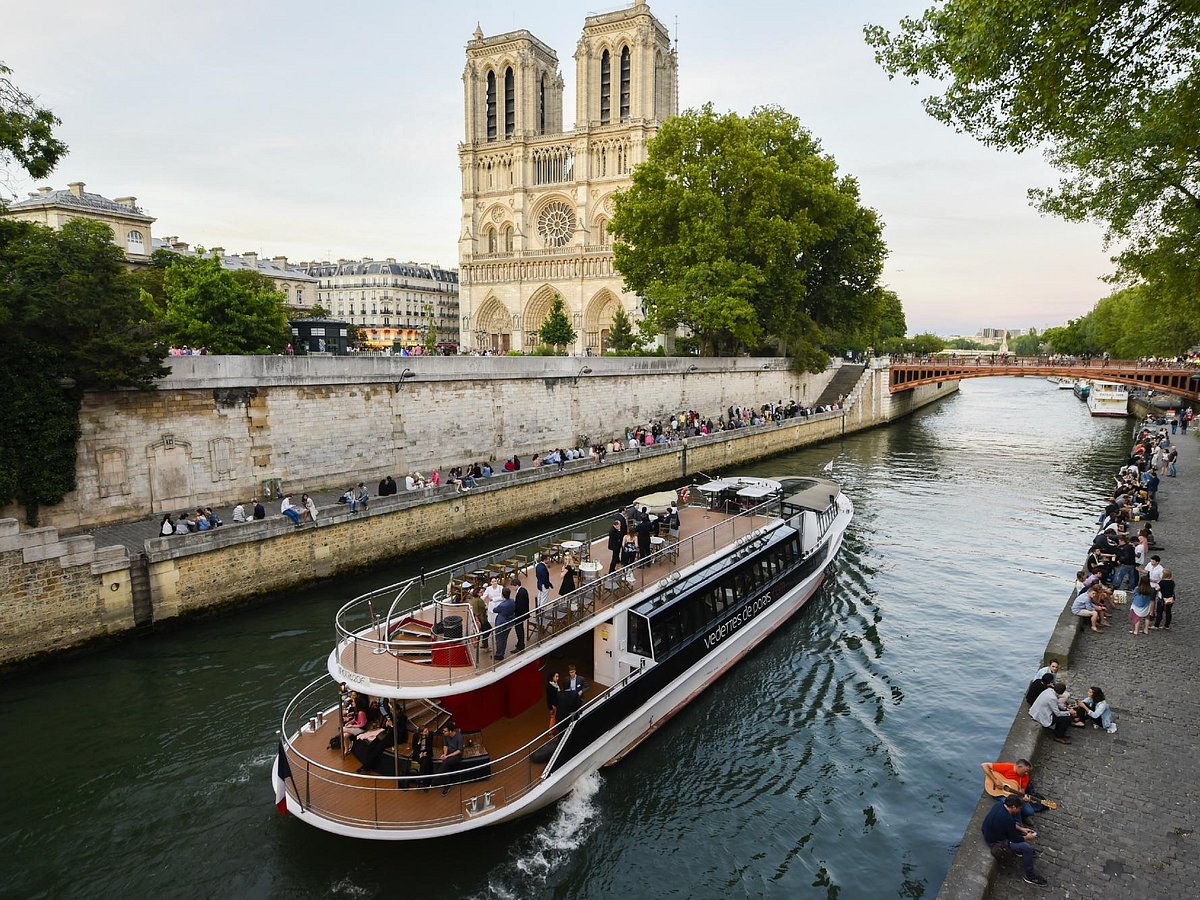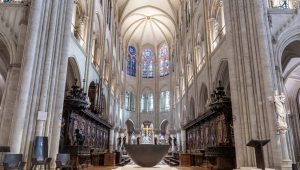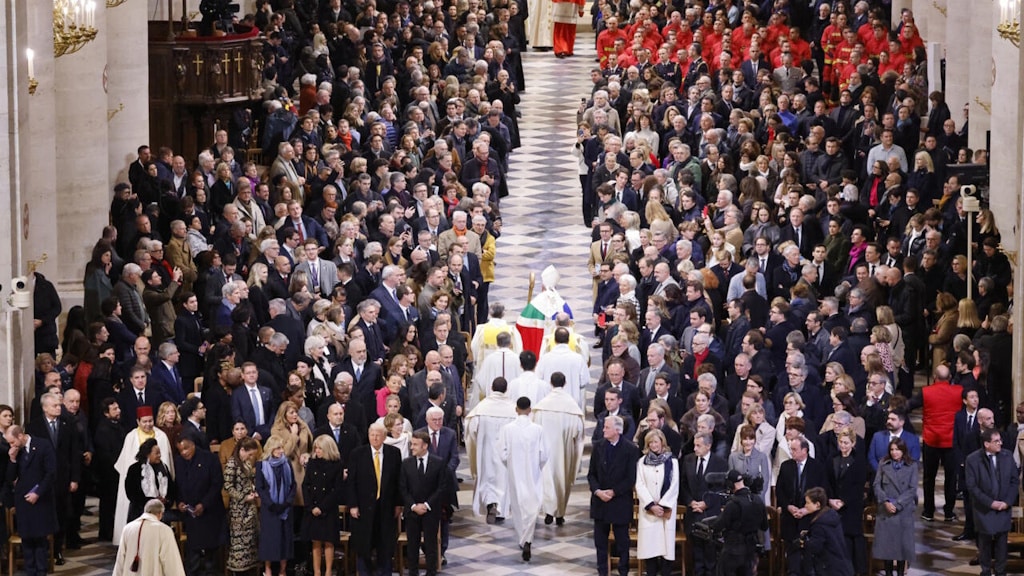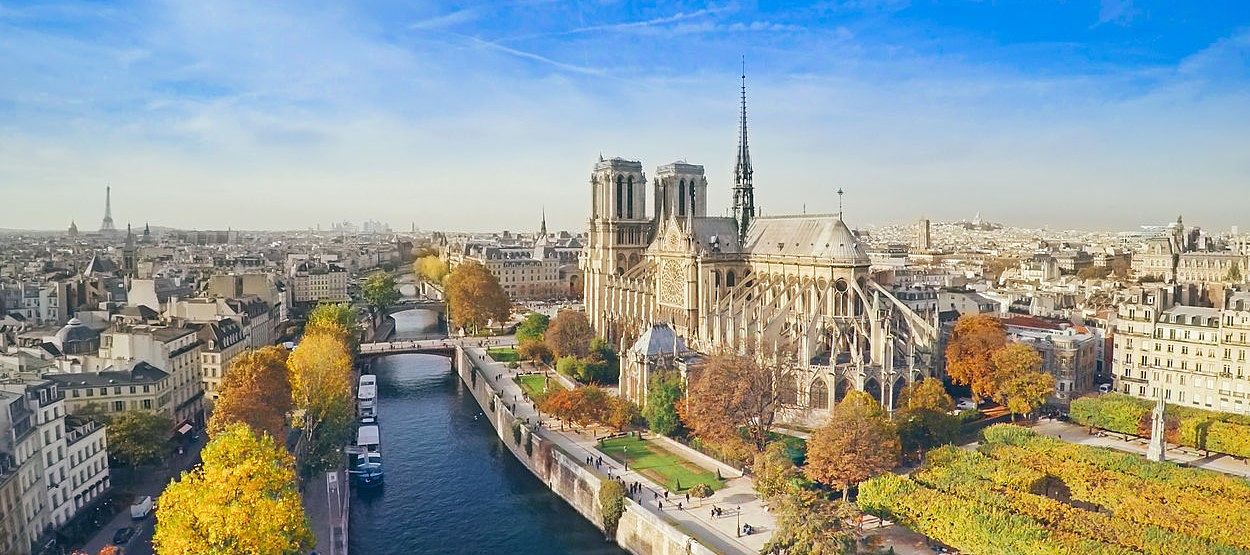
Notre-Dame-de-Paris, the rebirth after years of meticulous restoration. The world-famous Notre-Dame de Paris has once again opened its doors, standing as a symbol of resilience, heritage, and human ingenuity. The devastating fire of April 15, 2019, which engulfed the cathedral’s roof and sent its iconic spire crashing down, shocked millions worldwide. The restoration of Notre-Dame-de-Paris aimed to restore the cathedral to its pre-fire state while also improving its structural integrity and visitor experience. Yet, from the ashes of tragedy, Notre-Dame has emerged, stronger and more beautiful than ever.
Tip 1
Notre-Dame is a huge success after its re-opening. Visitor numbers are up to 30,000 a day (compared with a maximum of 23,000 before the fire). Admission is still free, but the pace is regulated. You’ll either have a long wait, or you can get a day and time to reserve one or two days in advance by clicking on Reserve Notre-Dame.
Tip 2
To be close to Notre-Dame during your stay, book your hotel by clicking on our list of the “15 best hotels near Notre-Dame-de-Paris”.
A comparison of the cathedral before and after the fire
1. Exterior Appearance
- Before the Fire (Pre-2019):
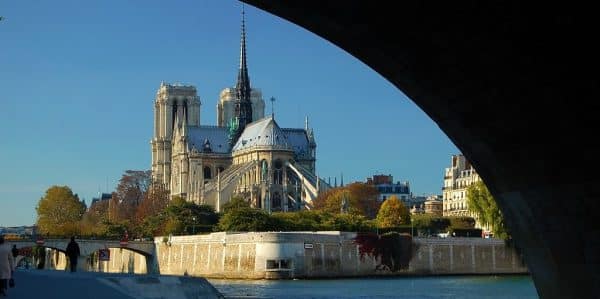
- The cathedral had its iconic 19th-century spire, designed by Eugène Viollet-le-Duc.
- The roof was made of centuries-old oak beams, often called “the forest” due to the dense network of wood.
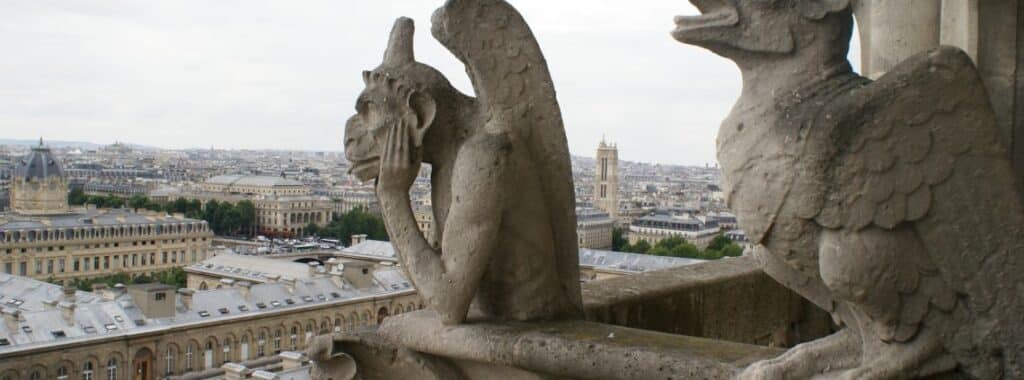
- The gargoyles, flying buttresses, and façade were weathered but intact.
- After Restoration (2024-2025):
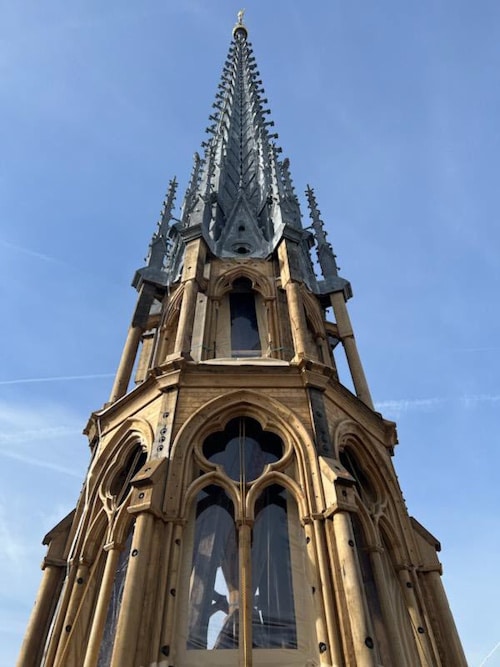
- The spire has been reconstructed exactly as it was, using the same materials and techniques.
- The roof has been rebuilt with traditional oak beams but reinforced for greater fire resistance.
- Some external stonework has been cleaned and restored, making the façade appear fresher and closer to its original medieval look.
2. Interior and Artistic Features
- Before the Fire:
- The vaulted ceilings were adorned with centuries of patina and slight wear but were structurally sound.
- The stained-glass windows, including the famous rose windows, illuminated the interior with their rich colors.
- The grand organ and wooden pews created a solemn, sacred atmosphere.
- After Restoration:
- The vaults have been meticulously repaired, replacing the fallen sections with matching limestone.
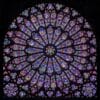
- The rose windows survived the fire but have been carefully cleaned to restore their brilliance.
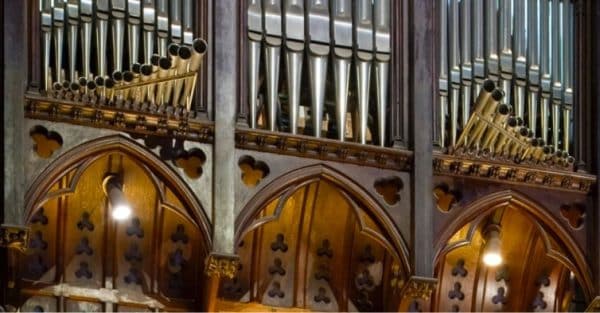
- The grand organ, heavily damaged by smoke and debris, has been cleaned and restored, with its 8,000 pipes reinstalled.
- The lighting and acoustics have been modernized to enhance the visitor experience.
3. Structural Improvements and Fire Protection
- Before the Fire:
- The cathedral’s wooden framework was vulnerable to fire, with little modern protection.
- Some areas suffered from age-related deterioration.
- After Restoration:
- Fire-resistant oak and lead materials were used to rebuild the framework.
- Modern fire detection and suppression systems have been installed to prevent future disasters.
- The structure has been reinforced to ensure greater resilience against environmental damage.
4. Visitor Experience & Accessibility
- Before the Fire:
- Notre-Dame was one of the most visited landmarks in the world, but some areas had limited accessibility.
- Restoration needs were evident in certain weathered parts of the building.
- After Restoration:
- The cathedral has been restored as close as possible to its pre-fire state, preserving its medieval authenticity.
- New visitor-friendly improvements, such as better lighting, display areas, and accessibility options, have been integrated.
- The reopening has been a symbol of resilience for France and the global community.
Final Verdict: A Faithful Restoration with Modern Enhancements
While Notre-Dame has been rebuilt almost identically to its pre-fire state, the restoration has also strengthened the structure, enhanced safety features, and cleaned centuries of aging—ensuring that it remains a stunning and enduring masterpiece for generations to come.
The Spire Reconstruction for the rebirth of Notre-Dame de Paris

The reconstruction of Notre-Dame’s spire was one of the most symbolic and technically challenging aspects of the cathedral’s restoration. Originally designed by Eugène Viollet-le-Duc in the 19th century, the spire collapsed during the devastating fire of April 15, 2019. The goal of the restoration was to faithfully rebuild it as it was before, using traditional craftsmanship and materials while incorporating modern engineering techniques.
Historical Background of the Spire
The original spire, built in the 1200s, was much smaller and deteriorated over time. It was removed in the 18th century due to structural instability.
The architect Eugène Viollet-le-Duc designed a taller, more elaborate spire (96 meters / 315 feet high) made of oak covered with lead. This version built in 1859-60 stood for over 150 years before being destroyed in the fire.
Reconstruction Process
Using Traditional Materials and Techniques
The spire has been rebuilt exactly as it was, using French oak for the framework and lead covering for weatherproofing. Around 1,000 oak trees were carefully selected from French forests, particularly from Bercé, Tronçais, and other historic forests. The oak was hand-cut and shaped using medieval carpentry techniques, ensuring authenticity. The spire’s exterior is covered with 300 tons of lead, just as it was before.
Precision and Digital Assistance
3D scans and historical records helped artisans recreate the spire’s intricate details with absolute precision. Craftsmen used hand tools to match the medieval construction style while reinforcing the structure for durability.
Iconic Features Recreated
The Rooster Weathervane
The original copper rooster weathervane, which fell during the fire, was damaged but recovered. The new spire features a replica of the rooster, containing relics of Saint Denis, Saint Geneviève, and a fragment of Christ’s Crown of Thorns—just as the original did.
Statues of the Twelve Apostles
Before the fire, 16 copper statues of the 12 Apostles and 4 Evangelists surrounded the base of the spire. These statues were miraculously saved because they had been removed just days before the fire for restoration. They have now been reinstalled around the newly rebuilt spire.
Modern Enhancements and Safety Measures
While the spire remains historically accurate, modern fireproofing techniques were used to prevent another disaster. The new fire detection and suppression systems include advanced sensors to monitor heat and smoke. Lightning protection was added to safeguard against strikes, a possible cause of the 2019 fire.
Symbolic Reopening
The reconstructed spire was reinstalled in late 2023, marking a major milestone in the restoration. The full reopening of Notre-Dame was in December 2024, coinciding with the Paris 2024 Olympics year.
The spire’s completion represents a triumph of heritage preservation, uniting artisans, engineers, and historians in a monumental effort.
Conclusion: A Masterpiece Reborn
The spire of Notre-Dame de Paris has been faithfully restored to its 19th-century glory while benefiting from modern structural improvements. Its resurrection is not just an architectural achievement—it is a symbol of resilience, faith, and cultural heritage.
The Roof and Vaults Restoration of Notre-Dame de Paris
The roof and vaulted ceilings of Notre-Dame de Paris were among the most severely damaged parts of the cathedral in the 2019 fire. The roof’s wooden framework, referred to as “the forest” due to its dense network of oak beams, was nearly entirely destroyed. The stone vaults, which helped support the roof and shield the interior, suffered extensive damage due to the intense heat. The restoration of these elements involved a mix of preserving historical structures, reintroducing traditional techniques, and reinforcing the cathedral’s overall stability.
The Roof Reconstruction: A Historic Challenge

The Collapse of the Roof
The fire on April 15, 2019 caused the wooden framework of the roof, which dated back to the 13th century, to catch fire. The heat caused the timber beams to burn, while the lead covering melted, resulting in the collapse of the iconic spire and much of the roof. The stone walls and the vaulted ceilings were damaged as they were exposed to the extreme temperatures, but they largely held their ground.
Rebuilding with Oak
The restoration of the roof required rebuilding the massive timber frame, referred to as “la forêt” (the forest), which was a complex web of oak beams used to support the structure. Approximately 1,000 oak trees were sourced from French forests, particularly those that were historically linked to the construction of medieval buildings. Carpenters and artisans employed traditional methods to shape the beams, recreating the original craftsmanship from the 13th century while introducing reinforcements to increase fire resistance.
Lead Covering
The roof was covered in lead, just like it had been originally. The new lead sheets, weighing over 300 tons, were shaped to cover the timber beams and provide weatherproofing and insulation. The lead was crafted by hand, just as it had been in the original construction, ensuring that the roof had the same appearance as before the fire.
The Vaults Restoration: Preserving the Heart of the Cathedral
The Role of the Vaults
The stone vaulted ceilings inside Notre-Dame are a crucial structural element, helping to distribute the weight of the roof and prevent the cathedral from collapsing. The fire caused some of the stone vaults to crack, and debris from the roof fell on the interior, damaging parts of the vaults as well.
Repairing the Stonework
Stone masons worked to repair the cracked and damaged sections of the vaults, ensuring that the structural integrity of the cathedral was preserved. The restoration team used matching limestone to replace broken sections, working with archaeological precision to keep the structure as close to its original form as possible.
Reinforcing the Vaults
To reinforce the cathedral’s stability, the stone vaults were meticulously analyzed and strengthened where needed. Modern reinforcements were added to ensure the vaults could withstand future stresses, particularly since the fire had left the cathedral vulnerable to potential shifts in weight distribution. Protective coatings were applied to help shield the stones from further damage from heat or water.
Fireproofing and Safety Measures
Modern Fireproofing
After the fire, fire safety measures were a critical part of the restoration, not just for the roof but for the entire structure. The oak beams that make up the roof framework were treated with modern fireproofing techniques to prevent future disasters. The lead covering of the roof was treated to be more fire-resistant, and fireproofing elements were integrated into the stonework to reduce any risk to the vaults.
New Fire Detection and Suppression Systems
In addition to structural repairs, state-of-the-art fire detection systems were installed in the roof and vaults. These systems can detect heat and smoke in real time and activate fire suppression systems to stop any fire from spreading. The use of modern technology alongside traditional craftsmanship ensures that the cathedral is better protected from future risks.
The Restoration Process and Expertise
Craftsmen and Techniques
The restoration of Notre-Dame’s roof and vaults required the expertise of artisans skilled in medieval techniques, such as stone carving and woodworking, alongside modern engineers. The roofing artisans rebuilt the oak framework by hand, replicating the work done centuries ago. The team used historical drawings and measurements, combined with 3D scans of the original structure, to guide the rebuilding process. The work on the vaults was led by master stone carvers, whose careful attention to detail ensured that the cathedral’s intricate stonework was restored to its original grandeur.
A Monumental Effort
The entire restoration process was a monumental effort that brought together hundreds of skilled workers, from carpenters and stonemasons to architects, engineers, and fire protection experts. The team worked in three shifts a day, often in difficult conditions, to bring Notre-Dame back to its former glory.
Final Outcome: A Resilient Cathedral
The roof and vaults have been restored, reconstructed, and reinforced, ensuring the cathedral’s long-term stability and beauty. The addition of fireproofing measures and modern safety systems makes Notre-Dame far more resilient to future risks, especially considering its iconic timber structure.

Conclusion: A Perfect Blend of Tradition and Innovation
The restoration of Notre-Dame’s roof and vaults is a blend of historical preservation and modern engineering. While the cathedral now benefits from new fire safety technologies and a reinforced structure, its medieval craftsmanship and aesthetic beauty have been carefully preserved. This delicate balance ensures that Notre-Dame de Paris will continue to stand as a testament to the artistry of the past, while embracing modern innovations for future generations.
The Stained-Glass Windows Restoration of Notre-Dame de Paris
The stained-glass windows of Notre-Dame de Paris are some of the cathedral’s most breathtaking features, and their restoration after the 2019 fire was a key part of the effort to bring the cathedral back to its former glory. The fire caused significant damage to many of these historic windows, but thanks to careful restoration work, they have been brought back to life, preserving their incredible beauty and intricate artistry.
Overview of the Stained-Glass Windows
Notre-Dame de Paris is famous for its three stunning rose windows—two located on the west, north, and south sides of the cathedral—and numerous other medieval stained-glass windows throughout the nave, apse, and other areas. These windows date back to the 12th and 13th centuries, making them not only artistically significant but also invaluable historical treasures.
The Rose Windows:
The most iconic of these windows are the three large rose windows:
- West Rose Window (Main Entrance): A magnificent 13th-century window, symbolizing Christ’s Last Judgment.
- North and South Rose Windows: These windows, also created in the 13th century, depict scenes from the Old Testament and various saints.
- The Other Stained-Glass Windows: Smaller but equally beautiful windows are scattered throughout the cathedral, depicting biblical stories, saints, angels, and scenes from the life of Christ.
The Damage to the Windows in the Fire
Heat Damage:
The intense heat from the 2019 fire severely affected the stained-glass windows, especially those closer to the roof and the areas most exposed to flames. The heat caused the lead cames (the strips holding the glass pieces together) to melt or warp, damaging the windows’ overall structure.
The Grand Organ Restoration at Notre-Dame de Paris: Reviving an Iconic Instrument
The Grand Organ of Notre-Dame de Paris is one of the cathedral’s most iconic and beloved features. Built over several phases from the 13th century onward, this magnificent instrument has been central to the cathedral’s music and liturgy for centuries. After the fire of 2019, which damaged significant parts of the cathedral, including the organ, extensive restoration work was required to return the Grand Organ to its full glory.
The Importance of the Grand Organ
The Grand Organ of Notre-Dame de Paris is one of the largest and most celebrated organs in France. Known for its powerful sound and intricate design, it is an essential part of the cathedral’s music tradition. It has been played during mass services, weddings, funerals, and significant ceremonies, and it’s an integral part of the cultural and religious heritage of Paris.
- A Historic Instrument:
The Grand Organ’s current version dates back to the 18th century, though it has undergone several reconstructions and restorations over the years. It boasts 8,000 pipes and is known for its unique sound and the mastery of the musicians who play it. - A Central Role in Cathedral Life:
The organ plays a vital role in the liturgical life of Notre-Dame, elevating the spiritual experience with its resonant tones. For centuries, it has been played by some of the most famous organists in the world.
The Damage to the Grand Organ in the 2019 Fire
The fire that ravaged Notre-Dame de Paris caused significant damage to the Grand Organ.
Direct Impact of the Fire
- Heat and Smoke Damage:
The extreme heat from the fire caused damage to the wooden components of the organ. While the fire did not directly destroy the entire instrument, the rising smoke and heat affected many of its pipes, the keyboard, and mechanisms. - The Roof Collapse:
The collapse of the roof and the falling of debris resulted in some of the organ pipes being dislodged or damaged. Lead from the roof also mixed with the smoke and debris, further contaminating the instrument. - Water Damage:
Once the fire was extinguished, the water used in firefighting efforts caused additional damage, especially to the wooden elements of the organ. Moisture affected the delicate wood, pipes, and mechanical parts, potentially leading to rusting and warping.
The Grand Organ Restoration Efforts
Restoring the Grand Organ was an essential part of the Notre-Dame restoration process, as it is both an artistic and historical treasure. The restoration involved skilled organ builders, carpenters, and restorers, who worked meticulously to repair and restore the instrument.
The Role of Organ Builders
The restoration of the Grand Organ was led by the Cavaille-Coll workshop, which had a long history of working on some of the most prestigious organs in the world. Their expertise, combined with the efforts of a team of specialized craftsmen, was key in the revival of this iconic instrument.
- Evaluation and Documentation:
The restoration team began by assessing the condition of each part of the organ. This included examining every pipe, mechanism, and wooden section of the organ for damage. This detailed evaluation was necessary to understand the extent of the damage and to preserve the historical integrity of the instrument. - Cleaning and Conservation:
After evaluating the organ, each component was carefully cleaned to remove soot, smoke, and debris. The organ pipes were cleaned and checked for dents, cracks, or any loss of sound quality caused by the fire. Some of the metal pipes had to be repolished and re-tuned to restore their original sound.
Restoring the Pipes
- Metal Pipes:
Some of the organ’s metal pipes were distorted by heat, while others had accumulated damage from water and debris. Many pipes were dismantled and sent to a specialized workshop for restoration. Tuning and reforming the pipes ensured that they would once again produce the clear, powerful tones that had made the Grand Organ famous. - Wooden Pipes:
The wooden pipes of the organ, which are especially delicate, were carefully refurbished. Some parts of the wood were warped or cracked from exposure to heat and moisture, and they needed to be re-shaped or replaced to restore their sound-producing qualities. - Replacing Missing Parts:
For any parts that were lost or irreparably damaged, new wooden pieces were crafted. These components were hand-carved to match the original style of the instrument, preserving the integrity and aesthetic beauty of the organ.
Rebuilding the Console and Keyboards
The console and keyboards were severely affected by the fire, with some parts melted or warped by the heat.
- Restoring the Keyboard:
The keyboards and manuals were carefully repaired, and missing keys were replaced using historical references and detailed measurements. These were painstakingly recreated to match the organ’s original design. - Pedals and Mechanisms:
The pedals and mechanical components that control the organ were also restored. The intricate mechanical action that links the console to the pipes was repaired and reassembled to ensure smooth, responsive operation.
Modern Techniques in Restoration
While the restoration of the Grand Organ stayed true to the original craftsmanship, modern technology played a significant role in ensuring its future stability:
- Humidity and Temperature Control:
New humidity control systems were installed in the organ’s location to prevent future moisture damage. Temperature regulation is also crucial for preserving both the wood and the metal parts of the organ. - Electronic and Sound Testing:
Once the restoration work was completed, sound tests were performed to ensure that the intonation, tuning, and overall sound quality of the organ were restored to their former brilliance. The electronic systems that control the organ were tested for accuracy and reliability.
The Grand Organ Today
After years of meticulous restoration, the Grand Organ of Notre-Dame de Paris is once again ready to play its part in the cathedral’s liturgy and public events. The restoration work has not only preserved the organ’s history but has also improved its durability and sound for future generations.

Restored to Full Functionality:
The organ is now fully functional, with its pipes sounding just as vibrant as before the fire. The sound of the Grand Organ continues to fill the cathedral, bringing life to the services and events held at Notre-Dame.
A Symbol of Resilience:
The Grand Organ’s restoration is a symbol of the resilience and strength of Notre-Dame de Paris itself. Despite the devastating fire, this iconic instrument has been brought back to life and is now a testament to the dedication of the artisans and workers who helped restore it.
Conclusion: A Triumph of Craftsmanship and Resilience
The restoration of the Grand Organ was a major achievement in the overall restoration of Notre-Dame de Paris, ensuring that this historical instrument, a symbol of musical tradition and cultural heritage, will continue to inspire worshippers and visitors alike for generations to come.
New Fire Prevention Measures at Notre-Dame de Paris: Protecting the Cathedral from Future Disasters
The devastating fire of April 15, 2019 that caused significant damage to Notre-Dame de Paris highlighted the need for modern fire prevention and protection systems to safeguard the cathedral’s unique and invaluable heritage. The restoration and rebuilding efforts that followed not only focused on repairing the cathedral but also emphasized the installation of cutting-edge fire prevention measures to reduce the risk of similar disasters in the future.
Lessons Learned from the 2019 Fire
The fire that nearly destroyed Notre-Dame de Paris was both a tragedy and a wake-up call for the global community when it comes to protecting historic monuments. Several important lessons emerged from the disaster:
- The Vulnerability of Historic Structures:
The fire demonstrated how quickly a blaze could spread through an ancient structure made of wood and stone, highlighting the vulnerability of Gothic architecture. - The Need for Improved Fire Detection:
The fire raised awareness of the need for faster and more efficient fire detection systems in places with complex architecture and precious artifacts. - Limitations of Existing Fire Prevention Measures:
Though Notre-Dame had fire alarms and a sprinkling system, they were not enough to prevent the catastrophic damage caused by the fire. It became clear that more advanced fire protection was needed.
New Fire Prevention and Protection Systems Installed
As part of the restoration efforts, modern fire prevention and suppression systems have been incorporated into the structure of Notre-Dame de Paris. These systems are designed to complement the historic preservation of the cathedral while ensuring that it can be better protected from any future fires.
Fire Detection and Alarm Systems
- State-of-the-Art Smoke Detectors:
Advanced smoke detectors have been installed throughout the cathedral, including in hard-to-reach areas such as the roof and attic. These detectors are linked to an automated alarm system, which can instantly alert the fire department or cathedral staff in case of smoke or fire, even in the earliest stages of ignition. - Heat Sensors:
In addition to smoke detectors, heat sensors have been strategically placed in critical areas, such as near electrical wiring, lighting fixtures, and the roof. These sensors detect temperature fluctuations that might signal the beginning of a fire, giving authorities a precious few moments to respond before a blaze spreads.
Fire Suppression Systems
- Sprinkler Systems:
The cathedral now features modern sprinkler systems that can quickly and effectively suppress fires in the event of an emergency. These systems are installed in a way that minimizes their visibility and impact on the aesthetics of the cathedral, blending seamlessly with the historic structure. - Water Mist Technology:
Water mist technology is a more efficient and environmentally friendly alternative to traditional sprinkler systems. It uses small water droplets to suppress fires while minimizing water damage to the building’s historic elements. The use of water mist has been considered for areas with delicate materials, such as the Grand Organ and stained-glass windows.
Fire-Resistant Materials
- Fireproof Roofing:
One of the most critical changes made during the restoration is the replacement of the roof. The original roof, built mainly of wood, was extremely vulnerable to fire. In its place, a new fire-resistant roof was constructed using modern materials, such as copper and lead, which are far less prone to burning and will provide better protection against future fires. - Fireproofing of Wooden Elements:
Many of the wooden elements of the cathedral, such as beams, rafters, and the woodwork in the roof and attic, have been treated with fire-retardant chemicals. These materials help slow the spread of fire, giving authorities more time to respond in case of an emergency.
Upgraded Electrical and Wiring Systems
- Modernizing Electrical Infrastructure:
The cathedral’s electrical system, which was outdated and a potential fire hazard, has been completely overhauled. New wiring and electrical components are now installed to meet modern safety standards, reducing the risk of electrical fires. - Regular Inspections and Maintenance:
Regular inspections of the cathedral’s electrical systems are part of a preventative maintenance plan to ensure that any potential issues are identified and resolved before they pose a danger.
Fire-Proof Safe Storage
- Protecting Artifacts and Relics:
As part of the fire prevention measures, fireproof storage areas have been created to house the most precious and irreplaceable artifacts, relics, and documents in the cathedral. This ensures that even in the event of a fire, the cathedral’s most valuable items can be protected. - Emergency Evacuation Procedures:
A new set of emergency evacuation protocols has been developed to ensure that staff, visitors, and worshippers can safely exit the cathedral in case of an emergency. These plans are regularly updated and tested.
Enhanced Security and Monitoring Systems
In addition to the fire prevention systems, several new security and monitoring technologies have been implemented to protect the cathedral from both fire and other potential risks:
- 24/7 Surveillance:
The cathedral is now equipped with advanced surveillance cameras to monitor activity both inside and outside the building. This helps to detect potential threats and ensure that any issues, such as suspicious activity or fire hazards, are addressed quickly. - Remote Monitoring Systems:
Remote monitoring systems are in place that allow fire alarms, sensors, and other key safety features to be tracked in real time. These systems can be accessed by the cathedral’s maintenance teams or fire services to monitor the health and safety of the building, ensuring that problems are identified and resolved promptly.
Ongoing Training and Emergency Preparedness
Another important element of the new fire prevention measures is the ongoing training of staff and emergency responders:
- Fire Drills:
Regular fire drills are conducted for cathedral staff to ensure they are familiar with evacuation procedures and how to respond to emergencies. - Collaboration with Local Fire Departments:
Notre-Dame’s restoration team works closely with the Paris Fire Department to develop and implement comprehensive emergency response plans. These plans include regular coordination to ensure that fire departments are well-prepared to handle any situation at the cathedral.
A Model for Other Historic Monuments
The fire prevention measures at Notre-Dame de Paris serve as a model for other historic buildings around the world. The integration of modern technology into the protection of cultural heritage is becoming increasingly important, as many other ancient buildings face similar risks.
Conclusion: A Safer Future for Notre-Dame
The new fire prevention systems installed at Notre-Dame de Paris provide a much-needed layer of security for the cathedral, ensuring its long-term protection from future disasters. With these advanced technologies in place, Notre-Dame can continue to serve as a cultural, spiritual, and historical treasure for generations to come, while minimizing the risk of another catastrophic fire.
Architectural Enhancements at Notre-Dame de Paris: Improvements Made During the Restoration
The restoration of Notre-Dame de Paris, following the devastating fire of 2019, wasn’t just about repairing damage and returning the cathedral to its former state. It also provided an opportunity to introduce architectural enhancements that respect the cathedral’s rich history while ensuring that it remains resilient and relevant for the future. Here are some of the key architectural improvements made during the restoration:
Structural Reinforcement and Safety Measures
Strengthening the Foundation and Structure
- Stabilizing the Building:
After the fire, a significant portion of the cathedral’s roof and spire was lost, and the structure was weakened. Restoration efforts focused heavily on reinforcing the building’s framework to ensure its long-term stability.- Experts conducted an extensive analysis of the foundation, the stonework, and the structural integrity of the building.
- The cathedral’s stone framework was carefully reinforced with steel supports in key areas to prevent future structural issues and protect the walls from further damage.
Fire-Resistant Enhancements
- Fire-Resistant Roof:
One of the most important improvements was the replacement of the wooden roof with a fire-resistant structure. The original wooden framework that had been used to support the roof and spire was vulnerable to fire, and this has now been replaced by metal supports and lead tiles, which provide greater protection. - Fire-Proof Materials:
The fire-retardant coatings and treatments on wooden elements like beams, rafters, and other structural features have been enhanced to ensure that these materials are more resistant to the spread of fire in the future.
Restoration of the Spire: A Blend of Tradition and Innovation
Rebuilding the Spire with Authenticity
The spire of Notre-Dame, which collapsed during the 2019 fire, has been carefully reconstructed to match its original design, as envisioned by architect Eugène Viollet-le-Duc in the 19th century. However, during this restoration process, some innovative architectural improvements were made:
- Stronger Materials:
The new spire was built using more durable materials, such as oak and lead, to prevent the vulnerability of the previous spire. This new spire also includes modern reinforcements, which help it withstand natural forces like storms and strong winds more effectively. - Reinforced Structure:
A series of steel braces were integrated into the spire’s design, ensuring that it is more resistant to future damage, while still maintaining its historical aesthetic.
Use of Modern Techniques in Reconstruction
3D Modeling was largely used. To ensure the spire’s accuracy, cutting-edge 3D modeling techniques were used to recreate the detailed craftsmanship and ornamentation of the original spire. These digital tools helped craftsmen avoid errors and precisely replicate the intricate carvings, making the restoration both historically accurate and modernly efficient.
Improved Lighting Systems: A More Dynamic and Sustainable Approach
LED Lighting
- The lighting in Notre-Dame has been updated with energy-efficient LED lights, which provide better illumination without harming the historical features of the cathedral. The use of LED technology also makes the lighting system more sustainable and reduces long-term energy costs.
- Adaptive Lighting Design:
The new lighting system includes adaptive lighting to highlight specific architectural features, such as the stained-glass windows, columns, and the choir area, giving visitors and worshippers a better view of the cathedral’s artistic treasures.
Accessibility Improvements
Elevator and Lift System
One of the major architectural enhancements during the restoration was the installation of an elevator system for better accessibility to different parts of the cathedral. This improvement allows people with mobility issues to access areas that were previously difficult to reach, including parts of the crypt and the upper galleries.
The design of the elevator system ensures that it does not interfere with the historic architecture of the cathedral. The lift is carefully hidden within a part of the building that is discreet, maintaining the overall aesthetic of the cathedral while making it more accessible for all visitors.
Improved Pathways and Access Points
- Wheelchair Accessibility:
Pathways inside the cathedral have been widened and adapted to improve accessibility for visitors in wheelchairs or with other mobility aids. Ramps have been installed in strategic areas to make navigation through the cathedral easier. - Enhanced Visitor Circulation:
The layout of the cathedral’s public spaces was carefully reconfigured to allow for smoother circulation for the thousands of visitors who come to see the site each day. These changes were made without compromising the historical beauty of the building.
Preservation and Restoration of Decorative Elements
Restoring the Stained-Glass Windows
The stained-glass windows, especially the iconic rose windows, were among the many features of the cathedral that sustained damage in the fire. These windows have been carefully restored to their former glory. The glass was carefully cleaned, and in some cases, replacement glass was sourced and crafted to match the original colors and patterns.
Structural and Artistic Preservation
Much of the sculptural detail and stonework in the cathedral was damaged or eroded by the fire, but restoration teams worked meticulously to repair and preserve these elements. Using historical records, artists, and stonecutters were able to recreate missing or damaged pieces. Stone cleaning techniques were employed to restore the original texture and appearance of the surfaces without causing any damage to the delicate features.
Modern Ventilation and Climate Control
Improved Ventilation Systems
To ensure the preservation of the artwork and historical materials, an upgraded climate control and ventilation system has been installed. This new system regulates humidity and temperature, which is crucial in protecting both the stone and wood elements from further damage.
Energy Efficiency
In keeping with the modernization of the cathedral’s infrastructure, energy-efficient systems have been introduced to minimize the carbon footprint of the building while keeping the cathedral comfortable for worshippers and visitors alike.
The rebirth of Notre-Dame-de-Paris : Enhancing Notre-Dame’s Future While Preserving Its Past
The architectural enhancements made during the restoration of Notre-Dame de Paris aim to preserve its historical significance while ensuring its long-term resilience. These improvements ensure that the cathedral remains not just a global cultural treasure, but also a modern, sustainable, and accessible space for all who visit. From the fire-resistant structural updates to the modern climate control systems and accessibility improvements, Notre-Dame is now better equipped to withstand the challenges of the future while remaining faithful to its glorious past.