Château de Fontainebleau, palace of a thousand faces
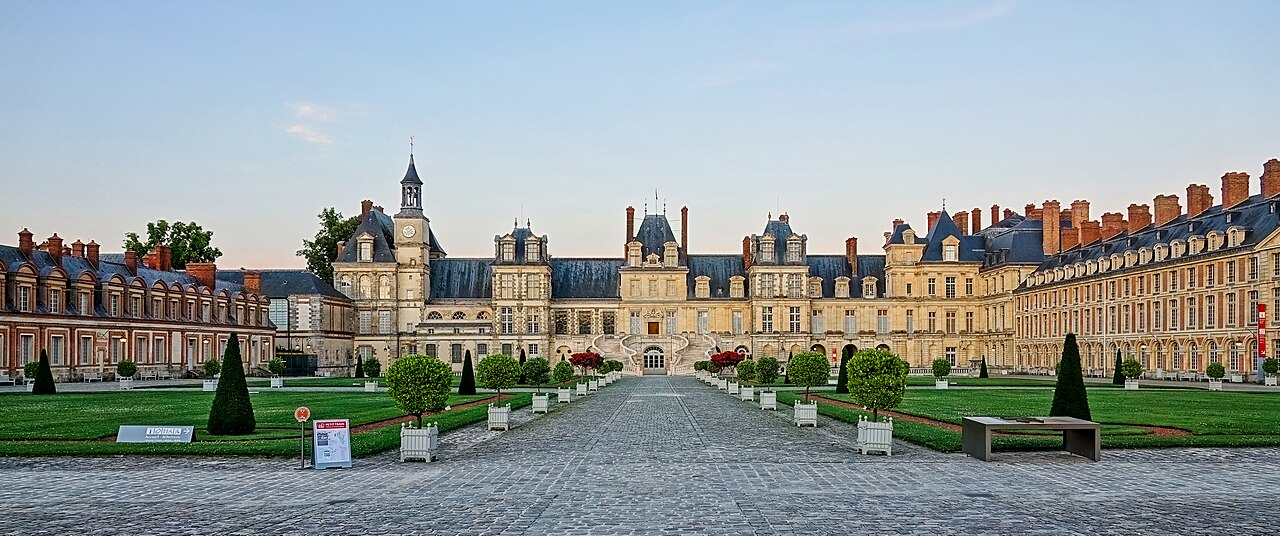
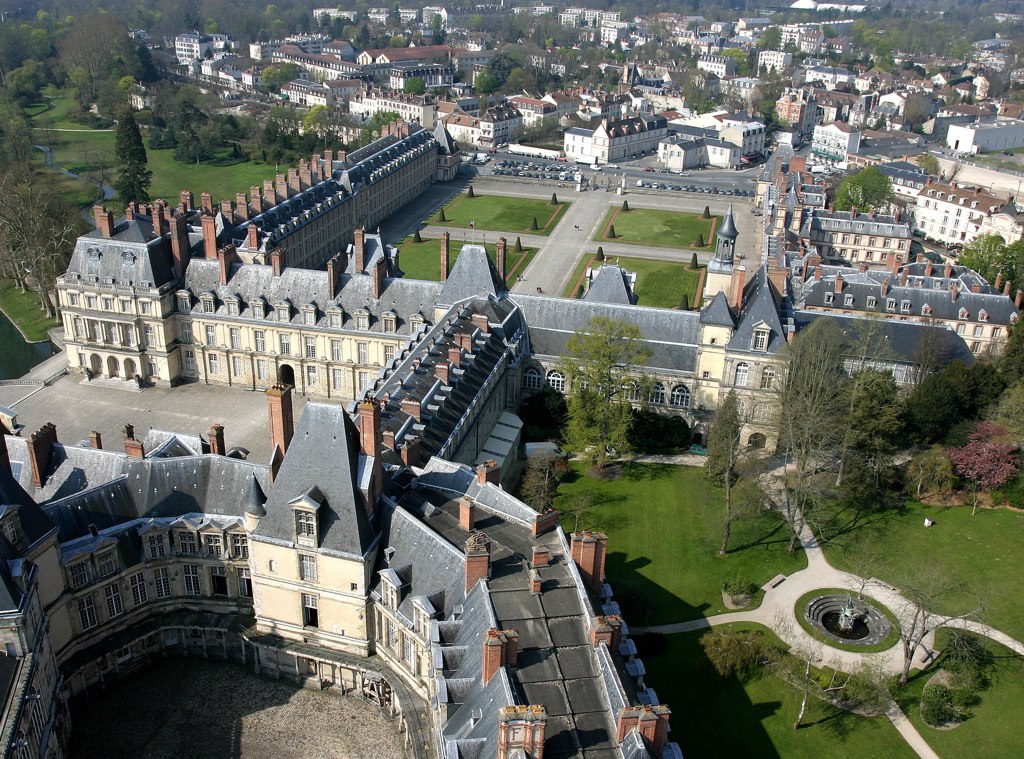
Just 55 kilometers southeast of Paris, the Château de Fontainebleau stands as a jewel of French history, nestled in the heart of a 25,000-hectare state forest.
This royal palace, a UNESCO World Heritage Site, is far more than a mere monument: it is an open book spanning eight centuries of architecture, art, and power.
Accessible by train from the Gare de Lyon (40 minutes) or by car, it offers a royal getaway within easy reach.
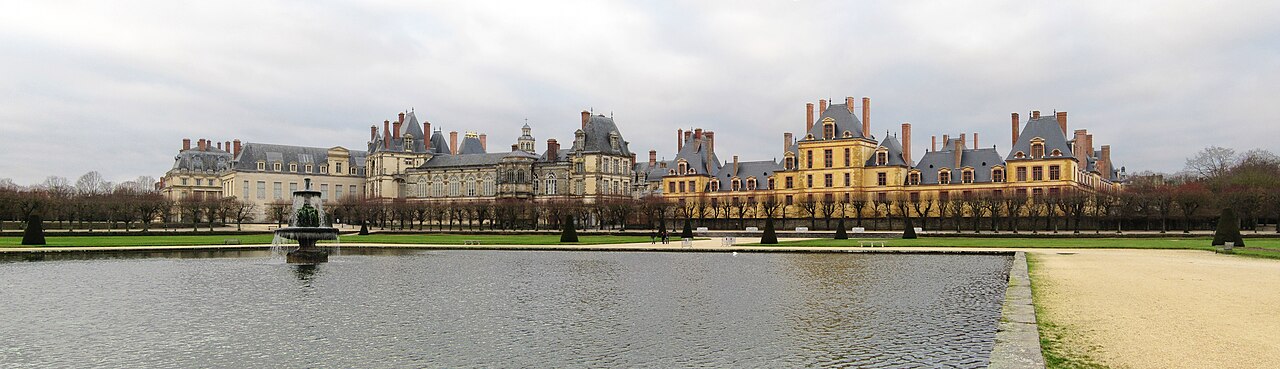
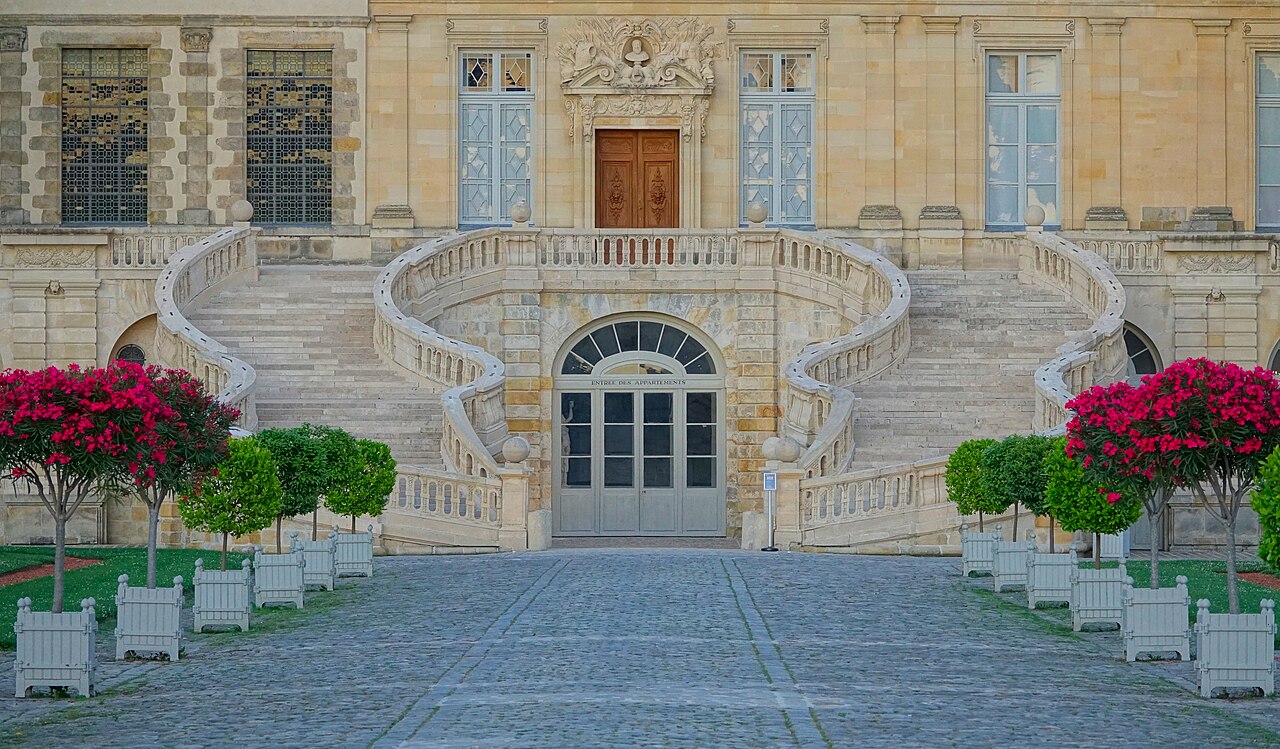
Unlike Versailles, often associated with the grandeur of Louis XIV, Fontainebleau embodies monarchical continuity. Here, every king, from François Ier to Napoléon III, has left their mark, creating a unique blend of Renaissance, classical, and Empire styles. This château is the only one to have been inhabited by all French sovereigns for nearly eight centuries, making it an exceptional witness to the evolution of taste and power in France.
Note: at the end of the text you will find
1/ To see nearby
2/ A photo gallery linked to the article
3/ Your Bonus: 5 essential tips to help you plan and enjoy your stay in Paris
From the medieval origins of the Château de Fontainebleau to the Renaissance: the birth of a palace
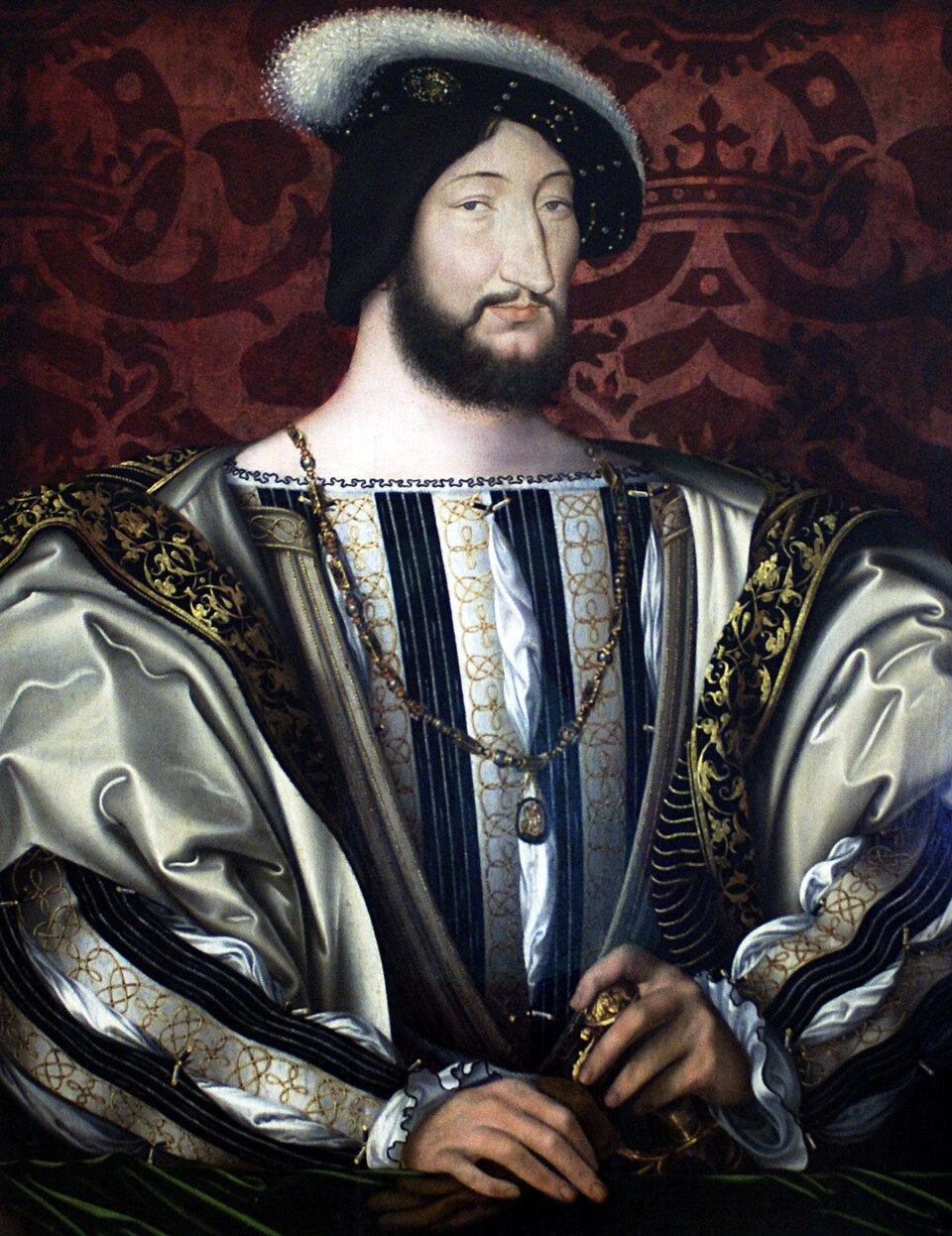
The first traces of the château date back to the 12th century, when Louis VII had a hunting lodge built there. At the time, Fontainebleau was merely a modest hunting lodge in the heart of a game-rich forest, prized by kings for its stags and wild boars. But it was under Francis I (1515–1547) that the site flourished. Passionate about Italian art, the king transformed the old medieval château into a Renaissance palace, inspired by the villas of Tuscany.
To carry out this project, François Ier enlisted Italian artists, including Primatice and Rosso Fiorentino, who introduced Mannerism to France—a bold and refined artistic style. The king established his famous art collection here, featuring works by Raphaël, Michel-Ange and Léonard de Vinci (including the Mona Lisa, which was housed here before being moved to the Louvre).
Fontainebleau thus became the cradle of the École de Fontainebleau, a major artistic movement that would leave a lasting mark on French art.
Power on stage: key historical moments at the Château de Fontainebleau
Fontainebleau is not just a palace—it is also a theatre of History.
In 1528, François Ier signed the Treaty of Fontainebleau there with Pope Clement VII, sealing an alliance against Charles Quint.
Later, in 1685, Louis XIV revoked the Edict of Nantes, ending religious tolerance for Protestants. This event, one of the most controversial of his reign, marked a turning point in French history.
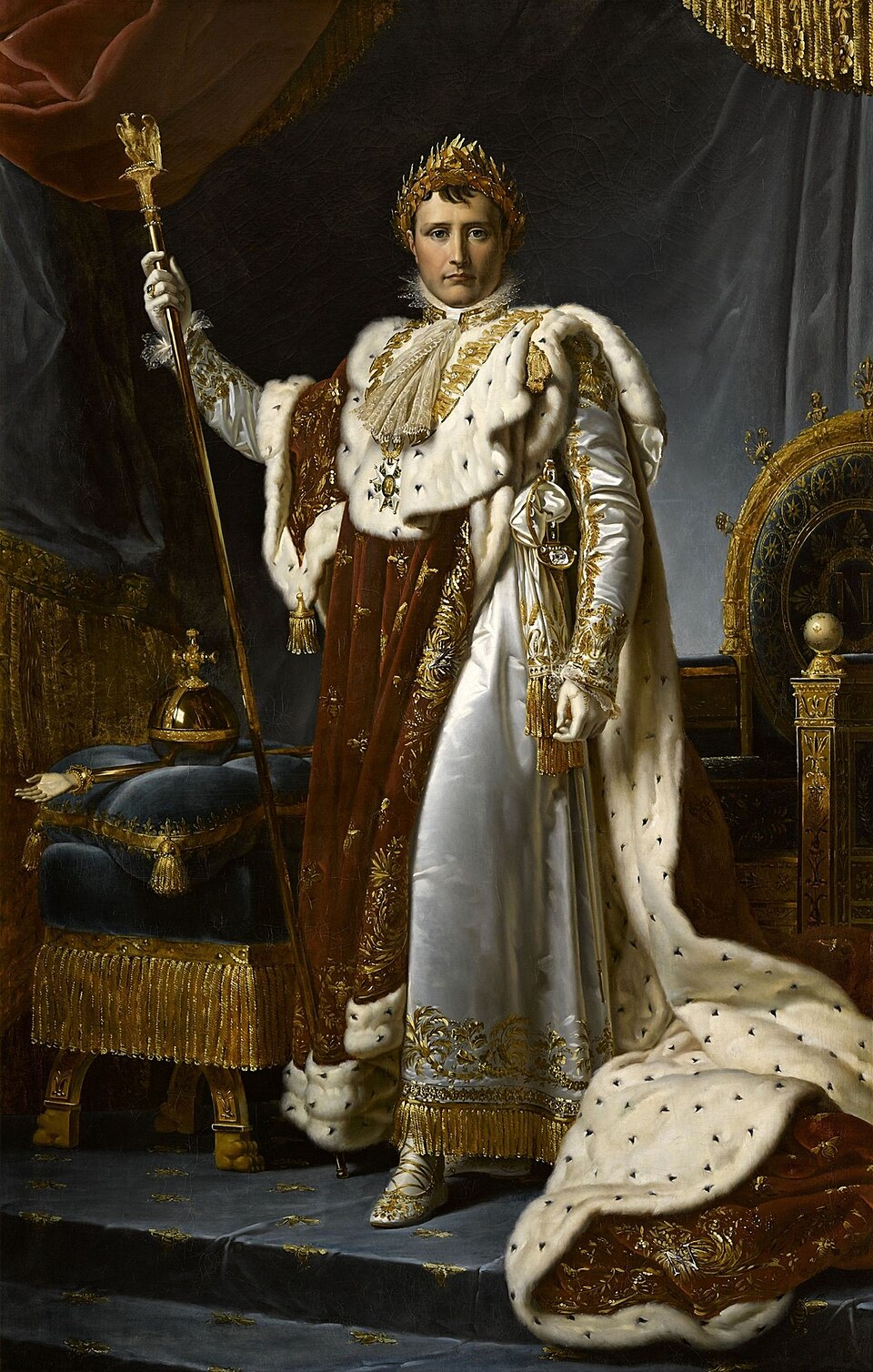
The château was also the setting for more intimate, yet equally significant moments. In 1814, Napoleon I signed his abdication there after the defeat of the French campaign. The scene, immortalised in paintings, shows the deposed emperor in the Gallery of Farewells, bidding farewell to his Imperial Guard. This emotionally charged place is now one of the most visited in the château.
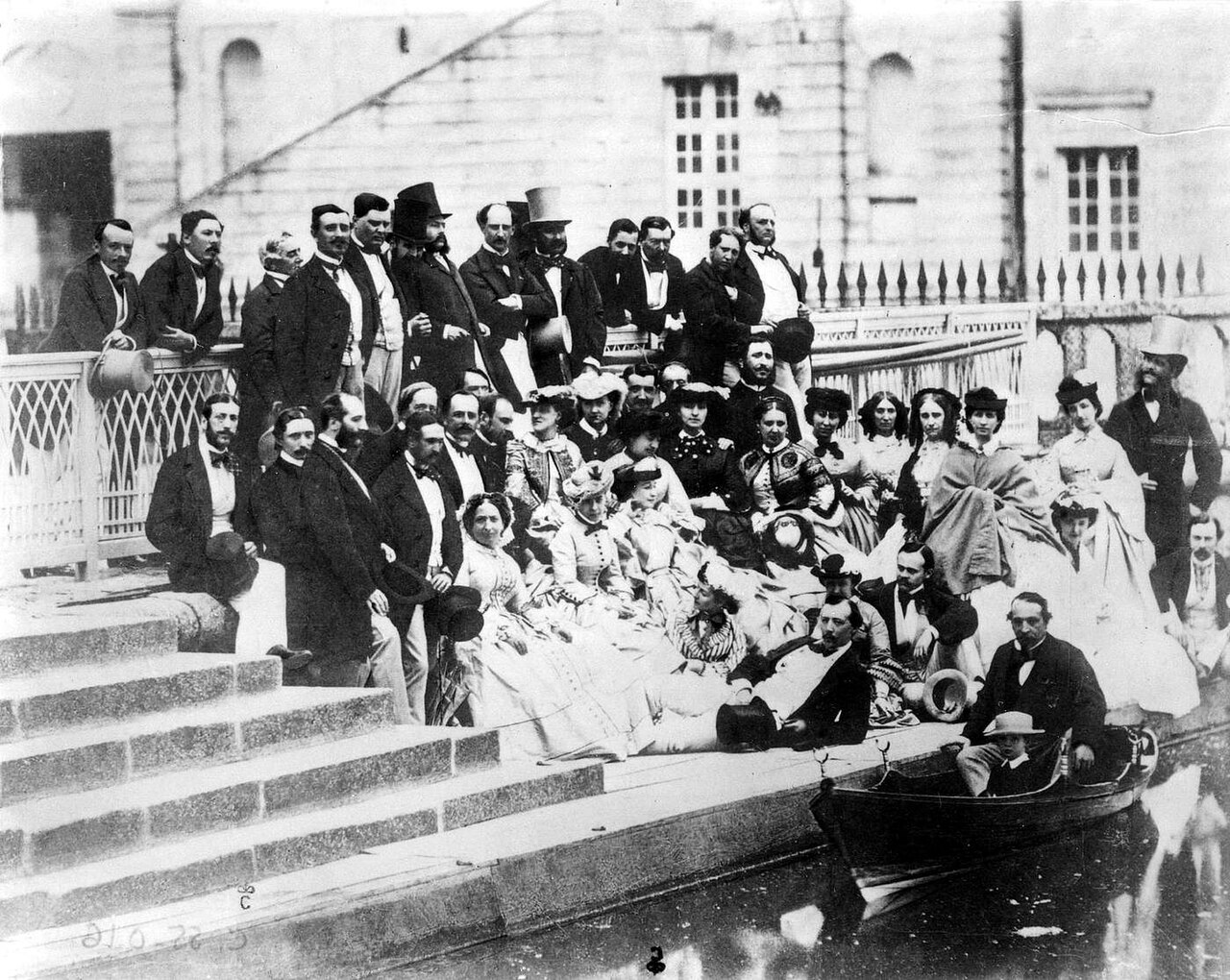
Under the Second Empire, Napoleon III and Empress Eugénie restored Fontainebleau’s former glory. They hosted lavish parties, inviting Europe’s high society. The château became a symbol of modernity with the installation of electricity and central heating. These enhancements, while preserving its heritage, demonstrate how Fontainebleau evolved with the times.
The Château de Fontainebleau: a thousand faces – must-see highlights
The Château de Fontainebleau is a living museum, where each room tells a story. Here are the must-see highlights not to miss during your visit.
1. The Galerie François Ier: a Renaissance masterpiece
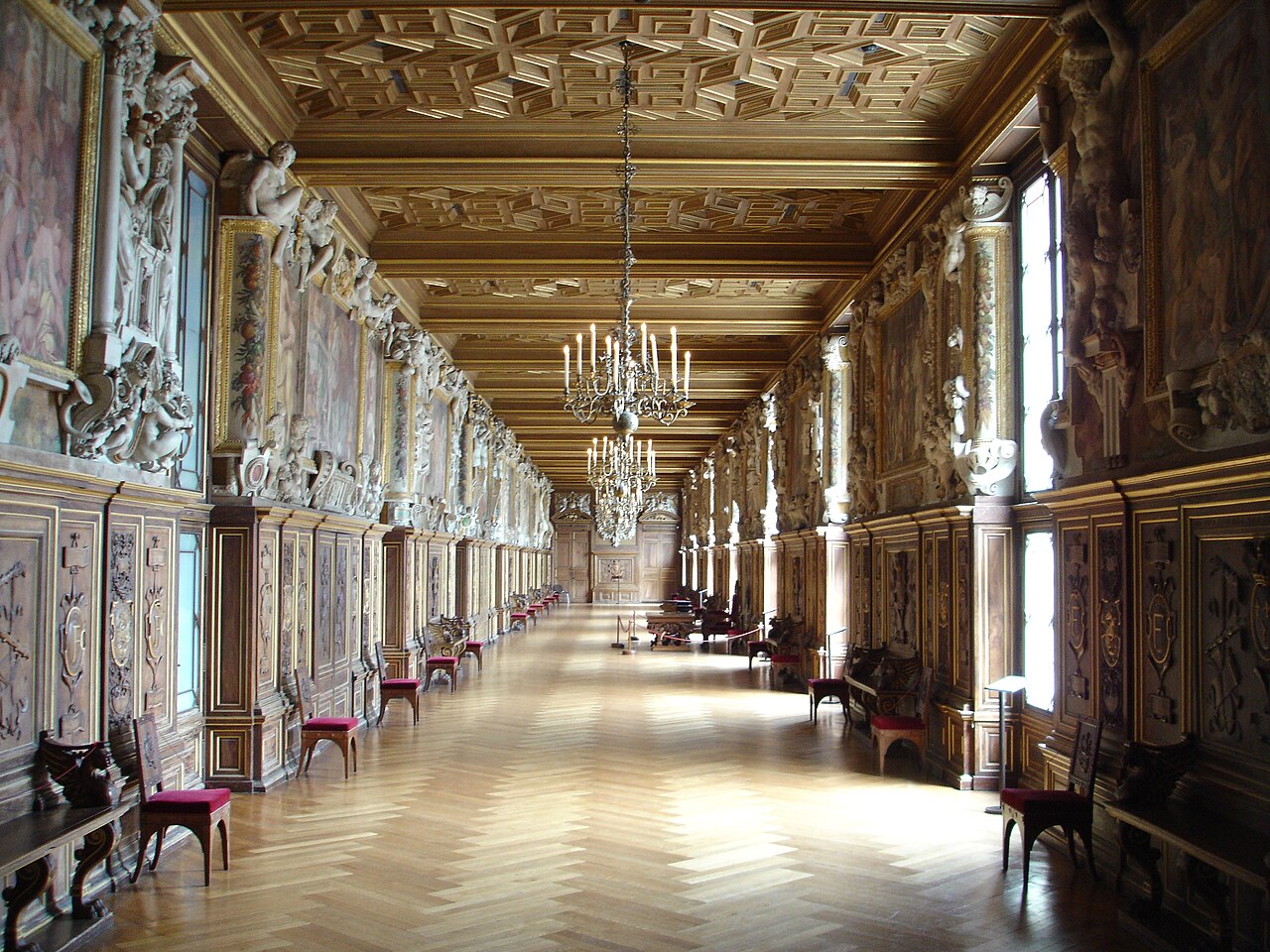
Considered one of the most beautiful examples of Renaissance decoration in France, this 60-metre-long gallery was designed to impress. Commissioned by François Ier, it is adorned with mythological frescoes and gilded stuccoes, created by Rosso Fiorentino. The scenes, inspired by antiquity, celebrate the king’s power and culture. Don’t miss the salamander, François Ier’s emblem, which is hidden within the decorations.
2. The Trinity Chapel: a Baroque gem
This chapel, built under Henri IV and completed under his son Louis XIII, is a masterpiece of French Baroque. Its ceiling, painted by Martin Fréminet, depicts the Divine Glory in a whirlwind of colour and celestial figures. The gilded woodwork and polychrome marbles enhance the splendour of the space. An ideal spot for a contemplative pause.
3. The Royal Apartments: the sovereigns’ private quarters
The Royal Apartments offer a fascinating glimpse into the daily lives of France’s kings and queens. The Emperor’s Chamber, where Napoleon I slept, is furnished in the Empire style, with mahogany furniture and purple fabrics. Beside it, the Queen’s Chamber, used by Marie-Antoinette, is a model of Rococo elegance, with its white paneling and floral silks.
Don’t miss the Gaming Salon, where courtiers gathered to play cards or listen to music. The walls are covered in Gobelins tapestries, depicting hunting scenes and mythology. A place that exudes the opulence and entertainment of the royal court.
4. The Napoleon I Museum: the Emperor’s legend
Housed in the Louis XV wing, this museum dedicated to Napoleon I features an exceptional collection of personal items, portraits, and memorabilia of the Emperor. Visitors can see his legendary bicorne hat, his saber from Austerlitz, as well as letters and historical documents. The highlight of the visit? Napoleon’s throne, used during his coronation in 1804. A museum that will captivate military and political history enthusiasts.
5. The Garden of Diana and the Park: a royal nature
The château is not limited to its walls: its gardens and park are just as impressive. The Jardin de Diane, created under Henri IV, is a French-style garden, with its geometric flowerbeds and central fountain. It owes its name to the statue of Diana, goddess of the hunt, which stands at its centre.
The Parc de Fontainebleau, for its part, spans 130 hectares and offers magnificent walks. Here you will find the Étang aux Carpes, where kings used to fish, as well as the Grand Parterre, an immense green carpet designed by Le Nôtre, the gardener of Versailles. In autumn, the colours of the trees make it a magical place, ideal for a romantic stroll.
The collections of the Château de Fontainebleau: an artistic and historical treasure
The Château de Fontainebleau houses four museums, each offering a glimpse into a different aspect of its history. In addition to the Musée Napoléon Ier, already mentioned, do not miss:
1. Le Musée Chinois de l’Impératrice Eugénie
Established in 1863 by Empress Eugénie, this museum is a tribute to Asian art. It features Chinese porcelains, Japanese vases and lacquered objects, brought back from the Far East. The highlight of the collection? The gifts presented by the Siamese ambassador to Napoleon III, including a gilded wooden throne and screens inlaid with mother-of-pearl. A unique museum in Europe, reflecting the West’s fascination with the East in the 19th century.
2. La Galerie des Fastes : l’histoire du château en images
This gallery traces the history of the château through a collection of portraits and historical paintings. Visitors can discover the monarchs who shaped Fontainebleau, from Francis I to Napoleon III, as well as scenes from court life. The paintings, created by the greatest artists of their time, provide a visual panorama of the palace’s evolution.
3. Le Musée de l’Appartement des Chasses : l’art de la vénerie
This museum, housed in the former hunting apartments of Louis XV, is dedicated to the art of venery (hunting with hounds). It features hunting paintings, trophies, and objects related to the sport of hunting. Nature and history lovers will appreciate the old engravings depicting hunting scenes in the Fontainebleau forest.
Why is the Château de Fontainebleau a must-see?
While Versailles is often seen as the palace of the Sun King, Fontainebleau is the kings’ château. Here’s what makes it unique:
A blend of architectural styles: Renaissance, classical, Baroque, and Empire coexist harmoniously, reflecting the changing tastes of sovereigns and their eras.
A deep connection to French history: every stone here tells a pivotal event, from treaty signings to Napoleon’s abdication.
Exceptional art collections: from Renaissance frescoes to the Asian treasures of Empress Eugénie, the château overflows with masterpieces.
A preserved natural setting: the Fontainebleau forest, a UNESCO biosphere reserve, provides a lush green haven perfect for an escape.
An immersive experience: unlike other monuments, Fontainebleau is visited like a lived-in home, where the presence of kings and emperors still lingers.
Practical tips for your visit
To make the most of your visit, here are some practical tips:
Opening hours and prices: The château is open every day except Tuesday. Prices vary depending on the areas visited (plan between €12 and €18 for a combined ticket). Book online to avoid queues.
Duration of the visit: Allow at least 3 to 4 hours to explore the château and its gardens. If you also wish to visit the forest, a full day is ideal.
Guided tours: Themed tours (on Napoleon, the Renaissance, etc.) are available. They offer a chance to discover fascinating anecdotes.
Accessibility: The château is partially accessible to people with reduced mobility. Wheelchairs are available at the reception.
Where to eat?: The Restaurant L’Axel, located in the park, serves refined French cuisine. For a lighter break, the Café des Maréchaux offers sandwiches and pastries.
Things to do nearby: Take advantage of your visit to explore the Fontainebleau Forest (hiking, rock climbing) or visit the town of Barbizon, famous for its landscape painting school.
Fontainebleau: a royal getaway not to be missed
The Château de Fontainebleau is so much more than a monument: it’s a sensory and historical experience. With its lavishly decorated rooms, its French-style gardens and its wooded park, it offers a deep dive into the soul of monarchic France. Whether you’re a history buff, an art lover or simply seeking a romantic escape, Fontainebleau will captivate you.
So, ready to follow in the footsteps of François Ier, Napoléon and Marie-Antoinette? The château awaits you, with its secrets and treasures, less than an hour from Paris. A visit that will, without a doubt, stay with you forever.
For more information and to prepare your visit, book your ticket online directly:
For more information click on:
To see nearby
Vaux-le-Vicomte Castle : Magnificent 17th-century architectural masterpiece located about 25-30 minutes by car.
Courances Castle : Famous for its park and remarkable Renaissance water gardens.
Rosa Bonheur Museum (Thomery): Former home and studio of the famous animal painter Rosa Bonheur (by appointment)
Fontainebleau Forest: UNESCO Biosphere Reserve ideal for hiking, strolling and bouldering on its famous rocky outcrops.
Apremont Gorges: Spectacular natural sites with large sandstone rocks polished by time.
Denecourt Tower: Panoramic viewpoint offering an unobstructed view of the forest and its surroundings.
Picturesque Villages
Barbizon: The historic village of the Impressionist painters and precursors of the Barbizon School.
Moret-sur-Loing: Medieval riverside town with picturesque charm.
Samois-sur-Seine: Romantic village on the banks of the Seine, famous as the last residence of Django Reinhardt.
Bonus: 5 valuable tips to help you organize and enjoy your stay in Paris
Have you noticed that our website provides tools to help you easily plan your trip to Paris so that your stay is a stress-free success?
1. Phrasebook Translator for those who don’t speak French fluently
Do you struggle to find the right word or phrase in French? Click here on PHRASEBOOK – or at the top right of your screen. This is a glossary of 100 useful words and/or phrases for a tourist visiting Paris. You’ll feel at ease in restaurants, hotels, shopping, the metro, greetings, asking for directions, and more. Eight languages are available. And guess what? You can also listen to each word and phrase in French.
2. VPBY’s Stay Generator
There are many interesting and educational things to see in Paris. A well-organized stay is highly recommended. To help you, we offer you Trip Generator FREE OF CHARGE.
In just 5 minutes and 5 clicks, you’ll get your half-day-by-half-day itinerary. Plus, all reservations—if you wish, with no obligation—for the sites you want to visit. Flight, train or car transport reservations, as well as accommodation bookings, are also included. Even suggestions for valuable keepsake gifts for you, your friends, and your family.
How does it work?
Click on "Paris Trip Organizer"—completely free—which will save you the hassle of trying to see as much as possible in the least amount of time. Then you’ll need to make your choices:
1/ Select your "general preferences" by clicking on the list (Museums, Churches, Monuments, Parks, etc.);
2/ The VPBY Stay Generator will then suggest all relevant listings;
3/ You select by clicking on the names of the museums, monuments, parks or activities you wish to include;
4/ The organiser will then return a day-by-day itinerary for your stay;
5/ with geographical optimisation of daily visits – if you wish – to avoid tiring and tedious travel.
It takes just 5 clicks and 3 minutes. And it’s completely free. To use it, click on "Paris Stay Organiser".
Note: want to know what VPBY Stay Generator users think of their experience? Click on "They planned their trip with VPBY".
3. List of Reservations to Make
You have free access to our database to "get to know" Paris (Click on Paris Guide) and discover Paris (Click on Places to Visit). And to avoid wasting time queuing, we recommend making your reservations directly online a few days in advance. All official reservations are available and accessible on our website:
Reservations to enter museums, monuments, shows, Seine cruises
Reservations for your arrival in France: flights, trains, cars
Reservations for your accommodation: hotels, apartments, guesthouses – in Paris or nearby
You will find links to all these reservations directly in the articles about the tours that interest you or in the self-guided itineraries of our walks. By clicking on "Reservations" in the header bar, you will have access to all the reservations you need during your stay. For example:
Notre-Dame de Paris entry reservation (Free entry but reservation recommended to avoid queues)
Book tickets for Château de Versailles: Entry + Gardens Access + Trianon Estate
4. Bring Home Paris Souvenir Photos from Our Collection
These are high-definition collectible photos available in digital format or as long-lasting prints (75 to 100 years). Sizes range from postcard to large format (up to 1 meter or more). A timeless keepsake to adorn your home. Quality souvenirs (unlike cheap plastic Eiffel Towers or snow globes). At very affordable prices. Click on:
5. Return with a personalized photo report of your stay in Paris
Reportage by professional photographers in Paris at locations of your choice or suggested by us. A "family" reportage, wedding, or other events. From 1 hour to a full day. The best quality-to-price ratio. Click on: