Vincennes Woods, a verdant jewel at the gates of Paris
The Bois de Vincennes, a lush green jewel on the edge of Paris, where nature and history intertwine to offer an unforgettable escape. Spanning 995 hectares, this majestic park is the largest green space in the capital, far more than just a green lung: it’s a journey through the centuries, from royal hunts to modern-day leisure.
Just minutes from central Paris, this legendary woodland captivates with its varied landscapes, shimmering lakes and shaded trails. Whether you’re a hiking enthusiast, a botany lover or simply seeking peace and quiet, the Bois de Vincennes promises a unique experience, far from the city’s hustle and bustle.
A tip that’s worth its weight in gold:
This site features a completely free "Paris Trip Organizer" that will save you from racking your brain to see the maximum number of things in the minimum amount of time.
1/ You enter your "general" wishes (Museums, Churches, Monuments, Parks, etc.),
2/ the organizer returns a set of relevant listings,
3/ you click on what you’d like to visit,
4/ the organizer provides a day-by-day itinerary for your stay,
5/ with geographical optimization of daily visits—if you choose—so you avoid tedious and tiring travel.
It takes just 5 clicks and 3 minutes. And it’s truly free. To use it, click on "Paris Trip Organizer"
Location and access: a peaceful haven just a stone’s throw from Paris
Located in the 12th arrondissement (in fact, it’s a "wart" attached to this district), the Bois de Vincennes is easily accessible by public transport. The metro stations Porte Dorée, Château de Vincennes or Bérault (line 1) drop you right at its entrance, just like the buses (lines 46, 86, 325) and the RER A (station Vincennes). For cyclists, dedicated bike paths connect the wood to the Seine riverbanks.
By car, several free or paid parking lots are available, particularly near the Route de la Pyramide. The main entrance, marked by the Pyramid of Vincennes, is an ideal starting point to explore this vast estate.
Impressive dimensions: a park twice the size of Central Park
With its 995 hectares, the Bois is twice as large as Central Park in New York! This figure is staggering, but it’s also what makes it magical: here, you can happily get lost between forests, meadows and bodies of water.
The park is crisscrossed by more than 50 km of trails, some of which follow old towpaths or the remnants of royal hunting grounds. Whether you choose a stroll on foot, by bike, or on horseback, you’ll always find a route tailored to your preferences.
Lakes and streams: landscapes worthy of an Impressionist painting
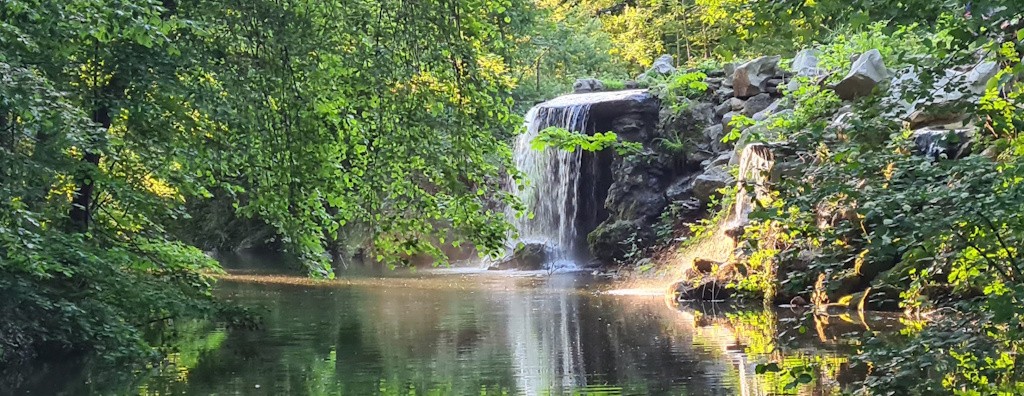
The Bois de Vincennes is home to four lakes and several streams, lending a poetic touch to its scenery. The Lac Daumesnil, the most famous, is a must-visit spot with its two islands (Île de Reuilly and Île de Bercy) connected by picturesque bridges. In summer, you can rent pedal boats or rowboats for a romantic outing.
The Lac des Minimes, wilder in nature, is bordered by reeds and teems with waterfowl. It’s the perfect place for a picnic or a quiet meditation session by the water. As for the Lac de Gravelle, it feeds the other bodies of water through a network of streams, creating a rare urban harmony with nature.
A royal legacy: from hunting grounds to the château’s grandeur
The Forest owes its existence to the kings of France, who made it their privileged hunting ground as early as the 12th century. Saint Louis dispensed justice under an oak tree, while Philippe Auguste had a hunting lodge built there, the forerunner of the Château de Vincennes.
This château, one of the most important in France, served as a royal residence before becoming a state prison. Today, it is open to visitors and houses an impressive medieval keep, as well as the Sainte-Chapelle de Vincennes, a masterpiece of Gothic art. A journey through history not to be missed!
From the Second Empire to today: the transformation of a forest
Under the Second Empire, Napoleon III radically transformed the Bois de Vincennes, drawing inspiration from London’s parks. Baron Haussmann and engineer Jean-Charles Alphand (who also designed the Bois de Boulogne) redesigned the paths, dug the lakes, and planted thousands of trees.
In the 20th century, the wooded area became a popular spot for relaxation, with the opening of the Parc Floral de Paris (1969) and the renovation of the Vincennes Zoo (2014). Today, it is a multifunctional space where joggers, families, botanists—and yes, even naturists—mingle.
Tip: Book your zoo entry by clicking on Zoo de Vincennes
Map and facilities: a park designed for everyone
This wooded space is divided into several themed zones, each offering distinct activities. Here are the must-sees:
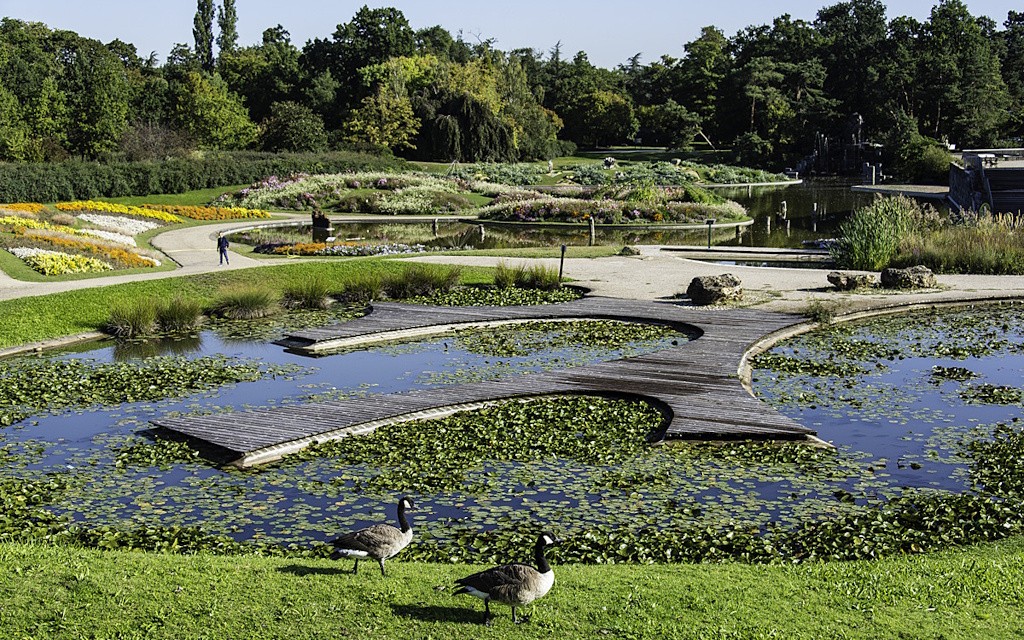
Parc Floral de Paris: a 31-hectare botanical garden featuring greenhouses, plant collections, and floral exhibitions.
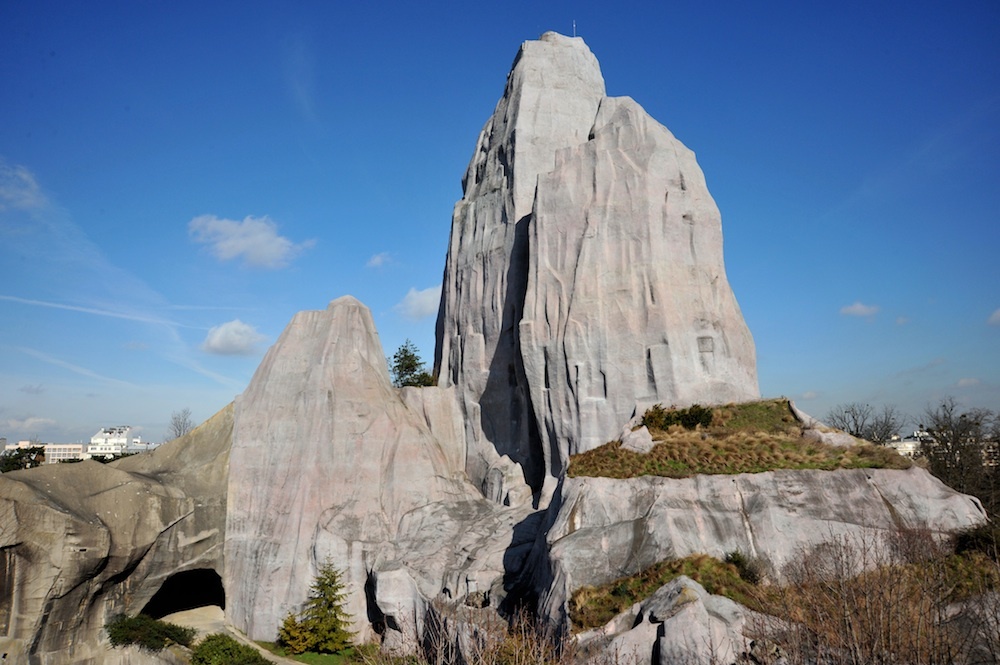
Zoo de Vincennes: a modern zoo where you can observe red pandas, lions, and giraffes in a natural setting. Book your tickets
Hippodrome de Vincennes: a temple of trotting races, hosting events throughout the year.
Ferme de Paris: an educational farm offering insight into agricultural life in an urban environment.
Base de loisirs de Gravelle: boat rentals, adventure courses, and picnic areas.
The park also features playgrounds, marked trails, and dining options (such as the restaurant Le Pavillon du Lac), making the Bois de Vincennes a welcoming destination for all visitors.
Naturist area: an often-overlooked feature
Did you know that the Bois de Vincennes is home to one of Paris’s few official naturist areas? Located near the Lac des Minimes, this discreet section is reserved for naturism enthusiasts, in accordance with proper etiquette. A unique feature that adds to the park’s eclectic character!
Prostitution: A Historical and Contemporary Reality
Like other major Parisian parks, this area has a history tied to prostitution, particularly in the 1970s and 1980s. Today, the phenomenon is marginal, though certain zones remain monitored to prevent misconduct. The City of Paris is working to make the woods safer, notably through patrols and improved lighting.
Why is the Bois de Vincennes a must-see?
The Bois de Vincennes is far more than just a park: it’s an oasis of fresh air, an open-air museum, and an endless playground. Here’s what makes it so special:
Its royal history, from hunting grounds to a medieval château.
Its diverse landscapes, from romantic lakes to mysterious forests.
Its modern amenities, such as the zoo and the Parc Floral.
Its accessibility, just 20 minutes from central Paris.
Its friendly atmosphere, where athletes, families and nature lovers mix.
Whether you come for a day or a few hours, the Bois de Vincennes will surprise you. So, ready to explore this green gem of the capital?
For more information, visit the official website of the City of Paris.