36, Quai des Orfèvres, Paris Regional Directorate of Criminal Investigation
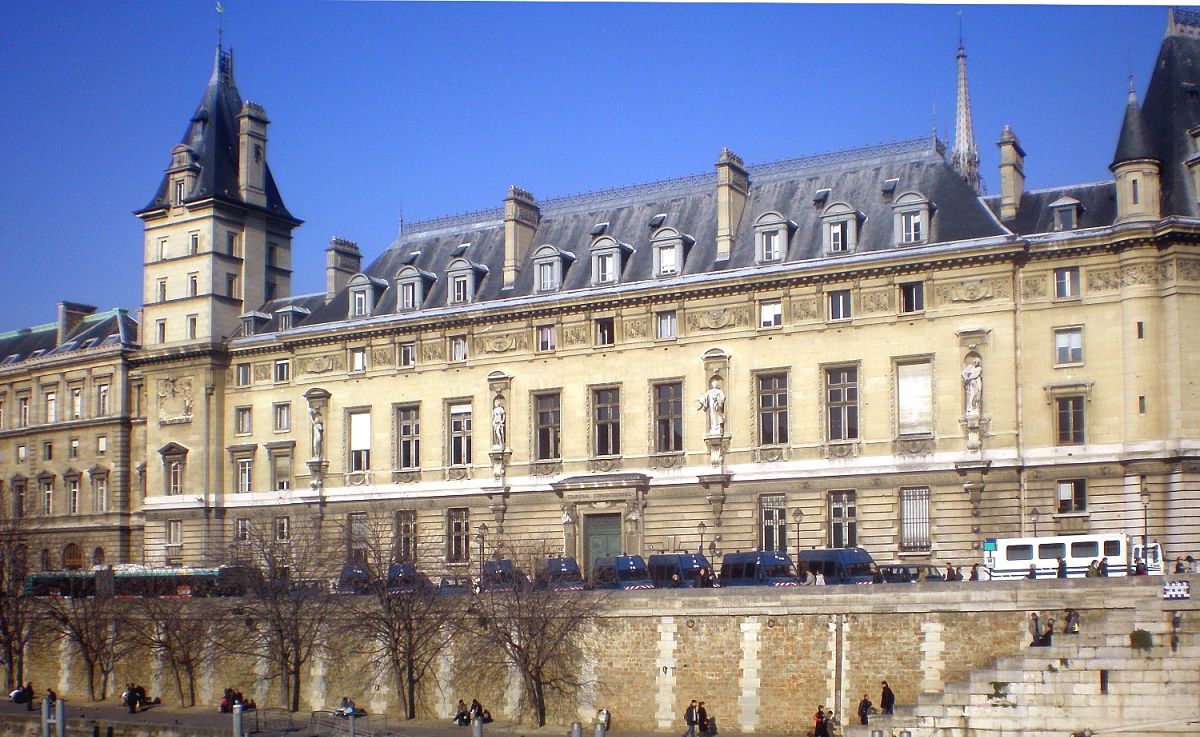
36, Quai des Orfèvres evokes many memories for fans of French crime novels and films, and even foreign ones. It is the address of the Paris Criminal Investigation Division, the equivalent of Scotland Yard for the British and Londoners.
The "36, Quai des Orfèvres" and its responsibilities
The Regional Directorate of Criminal Investigation of the Paris Police Prefecture (DRPJ Paris), often referred to as "36, Quai des Orfèvres" or simply "the 36" (thirty-six) based on its headquarters' address, is just one of the divisions of the Criminal Investigation Police in Paris. Its 2,200 officers investigate around 15,000 offences and crimes each year[1]. However, 36, Quai des Orfèvres has never had jurisdiction over the entire French territory, only over Paris and its immediate suburbs, known as the "petite couronne" (inner ring). In other words, the Hauts-de-Seine, Seine-Saint-Denis and Val-de-Marne departments. Its wide-ranging mission is limited to combating organized or specialized crime, implementing and overseeing technical and scientific policing methods, judicial identification, IT tools and operational documentation to assist investigations. The Central Directorate of Criminal Investigation, the national—not just "Parisian"—authority of the criminal police, is actually located at 11, Rue des Saussaies, in the Ministry of the Interior’s premises.
Since 2017, most of the Paris police headquarters has moved to the Batignolles district, into a new shared building with the main Paris court, the *Tribunal de grande instance*. The project faced criticism due to its cost and the historic status of 36, quai des Orfèvres in fiction and cinema.
The building at 36, quai des Orfèvres was more than just the headquarters, staff offices, and common services of the Paris Regional Criminal Police Directorate. Thanks to its history and iconic status within the French police, the 36 and its services have frequently been featured in novels, films, and TV series. Many crime films reference this address, which also inspired the title of Olivier Marchal’s 2004 French film.
Commissioner Maigret, the fictional detective created by Belgian writer Georges Simenon, had his office on the Quai des Orfèvres.
No. 36, Quai des Orfèvres appears in Harlan Coben’s novel *Long Lost*.
*Quai des Orfèvres* is a 1947 film directed by Henri-Georges Clouzot, starring Louis Jouvet, Simone Renant, Bernard Blier and Suzy Delair, adapted from a novel by Stanislas-André Steeman.
No. 36, Quai des Orfèvres is a 2004 film directed by Olivier Marchal, starring Daniel Auteuil, Gérard Depardieu and André Dussollier, centered on the rivalry between the BRB and the BRI. It is partly inspired by real events that occurred in the 1980s.
The police procedural series *Engrenages* follows, among other characters from the courthouse, the work and lives of three officers from the 2nd DPJ.
In the novel *The Da Vinci Code*, the DCPJ is mentioned as the unit that discovered Jacques Saunière’s death and as the department to which Sophie Neveu and Bezu Fache belong.
The film *Polisse* features the Brigade de protection des mineurs (BPM) and a photographer tasked with covering this unit. The film won the Jury Prize at the 2011 Cannes Film Festival.
What future for No. 36, Quai des Orfèvres?
No official plans have been announced for the building. Major renovations to meet current standards will be required—but no schedule or future use has been revealed for late 2021.