Pigalle district between legendary cabarets and picturesque alleys
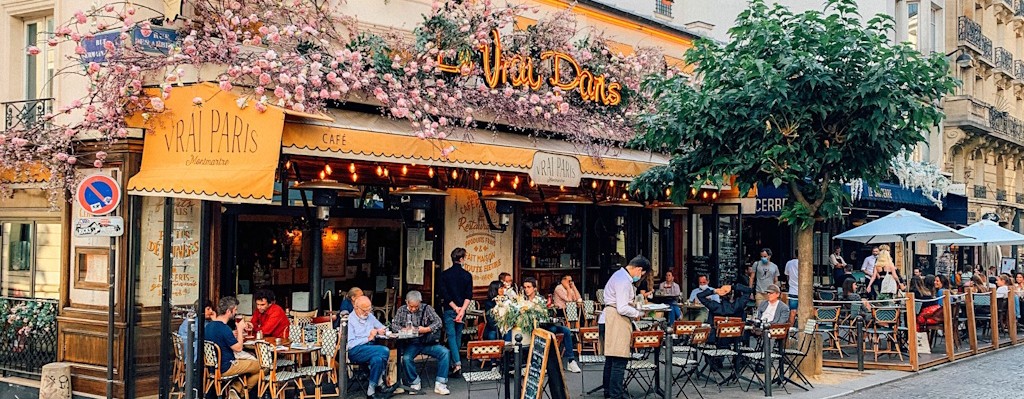
Welcome to Pigalle, one of the most vibrant and iconic areas of Paris! Located on the border of the 9th and 18th arrondissements, this legendary district is a captivating blend of history, pop culture, and nightlife. Between iconic cabarets, picturesque streets, and a bohemian vibe, Pigalle leaves no one indifferent. Ready to dive into its unique world? Follow the guide!
But first, read this exclusive feature on our site that’s pure gold:
This site offers a completely free “Paris Trip Organizer” that will save you the hassle of trying to see the most in the least amount of time.
1/ You enter your general preferences (museums, churches, monuments, parks, etc.);
2/ the organizer suggests all relevant listings;
3/ you select what you want to visit;
4/ the organizer generates a day-by-day itinerary for your stay;
5/ with optional geographic optimization of daily visits—if you choose—to avoid tedious and tiring travel.
It takes just 5 clicks and 3 minutes. And it’s truly free. To use it, click on “Paris Trip Organizer”
Origin of the Pigalle District
Pigalle owes its name to Jean-Baptiste Pigalle, a French sculptor from the 18th century. Originally, this neighborhood was a village on the outskirts of Paris, incorporated into the city in 1860. In the 19th century, it became an artistic and intellectual hub, attracting painters, writers, and musicians. Figures like Toulouse-Lautrec and Édith Piaf left their mark here, shaping its rebellious and creative soul.
The Golden Age of Pigalle
The golden age of Pigalle spanned from the Belle Époque to the Roaring Twenties. It was a time when cabarets flourished, theaters came alive, and artists thronged the area. The district embodied the spirit of freedom and indulgence while remaining a center of artistic creation. Today, echoes of this vibrant past can still be felt in its streets, where memories and modernity blend together.
An Ideal Location
Pigalle is perfectly situated between Montmartre and the Grands Boulevards. Easily accessible via the Pigalle (lines 2 and 12) or Blanche (line 2) metro stations, it’s a breeze to explore on foot. The neighborhood revolves around Place Pigalle, the pulsating heart of its lively atmosphere. Just a short walk away, you’ll also find the Montmartre hill and its famous Sacré-Cœur, offering breathtaking views of Paris.
The Musée de la Vie Romantique and the Église Notre-Dame-de-Lorette
The Musée de la Vie Romantique is a hidden gem. Housed in a 19th-century hôtel particulier, it immerses visitors in the romantic world of George Sand and Frédéric Chopin. More unconventionally, the Musée de l’Érotisme once showcased an eclectic collection of erotic objects spanning the ages, reflecting the bold spirit of Pigalle. It has been closed since 2016.
The Église Notre-Dame-de-Lorette, a listed Historic Monument, is another must-see. Built in the 19th century, it charms with its neoclassical style and interior frescoes. Its peaceful atmosphere contrasts with the bustle of the surrounding streets, offering a spiritual respite in the heart of the neighborhood.
Pigalle District, its legendary cabarets and theaters
Pigalle is inseparable from its legendary cabarets. The Moulin Rouge, a symbol of the Belle Époque, continues to dazzle with its French Cancan shows. Just a short walk away, the Divan du Monde and the Bus Palladium keep the tradition of performance venues alive, blending concerts, theater, and lively evenings. These iconic spots are essential stops for experiencing the vibrant soul of Pigalle.
The theatres of Pigalle add a cultural touch to its festive atmosphere. The Théâtre de la Michodière and the Théâtre Fontaine offer a variety of plays, from classical to contemporary. These historic venues, often intimate, allow visitors to discover the talent of Parisian artists in a warm and authentic setting.
The Wall of I Love You
A quirky spot especially attracts lovers: the Wall of I Love You. Located in Square Jehan-Rictus, this 40 m² mural features the words "I love you" in 250 languages. Created by Frédéric Baron and Claire Kito, this wall is a universal symbol of love and peace, perfect for a romantic photo or a moment of contemplation.
Halle Saint-Pierre and Marché Saint-Pierre
The Halle Saint-Pierre (2 Rue Ronsard, 75018 Paris) is a hybrid cultural venue, combining a museum, gallery, and exhibition space. It is a museum dedicated to naïve art, outsider art, singular art, and art brut. Housed in a former 19th-century market hall, it hosts exhibitions of art brut, singular, or outsider art. Its industrial architecture and eclectic program make it a unique place where art knows no boundaries. Don’t miss its ever-surprising temporary exhibitions!
Just around the corner, you can also visit the Marché Saint-Pierre (2 Rue Charles Nodier, 75018 Paris), Europe’s largest fabric store. Spanning 3,500 m² across seven floors, it offers a vast selection of high-quality fabrics—a legendary fabric store where everyday people, art students, fashion stars, actors, and actresses all come together in search of the perfect piece of cloth.
Today, we pass on our So Paris expertise to offer you the finest fabrics at the fairest prices for the success of all your textile creation projects.
Pigalle: A Cinematic and Musical Icon
Pigalle has inspired countless films and songs, becoming a character in its own right in cinema and music. Films like Amélie and La Vie en Rose (about the life of Édith Piaf) shot iconic scenes here. As for music, Maurice Chevalier’s "Pigalle" and Serge Gainsbourg’s "Les P’tites Femmes de Pigalle" celebrate its unique atmosphere, blending glamour and edge.
Pigalle: The Must-Visit District
What makes Pigalle unmissable is its blend of contrasts. Here, history meets modernity, the sacred brushes against the profane, and art engages with everyday life. Whether you’re a history buff, a culture lover, a nightlife enthusiast, or simply in search of authenticity, Pigalle will captivate you. Its electric vibe, iconic spots, and artistic legacy make it a one-of-a-kind neighborhood where every visit is a new adventure.
To explore Pigalle like a local, wander its cobbled streets, stop by a typical café or wine bar, and let its energy carry you away. In the evening, dive into the vibe of its cabarets or concert halls. And above all, keep your eyes wide open: Pigalle is a neighborhood where every detail tells a story, where every street corner holds a surprise.
Ready to experience Pigalle? This iconic district is waiting to reveal its secrets and make you feel the pulse of Paris. So lace up your sneakers, camera in hand, and set off on an adventure!


