Gisors: The Hidden Legacy of the Templars and Medieval Secrets in France
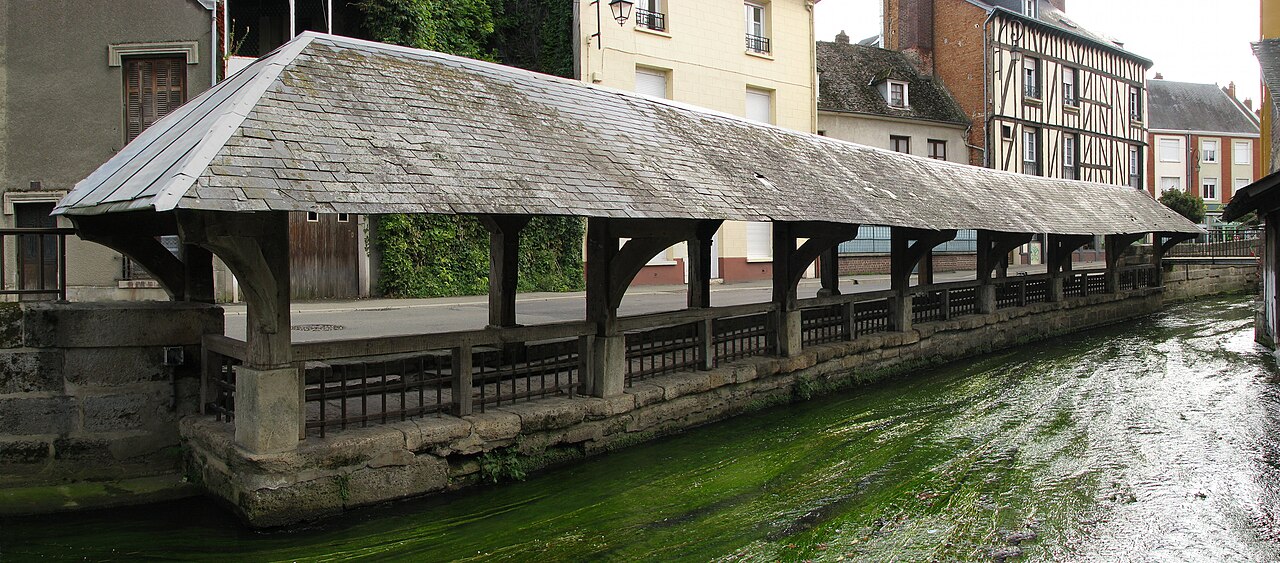
Gisors: The Hidden Legacy of the Templars, just an hour from Paris, in this peaceful town. Gisors holds a mystery that has fascinated historians, treasure hunters, and conspiracy theorists for centuries. Nestled in the Norman countryside, this medieval gem is far more than just a picturesque stop: it’s a place where the Knights Templar may have concealed their most precious secrets, where underground tunnels whisper of lost treasures, and where a 12th-century castle stands as a silent witness to France’s turbulent past.
If you love history, legends, and off-the-beaten-path destinations near Paris, Gisors should be on your list. Here’s why this small town could be one of the most captivating getaways from the capital.
Why Gisors? A Town Steeped in Templar Legend
Gisors is not just another medieval French town: it’s a place where history and legend intertwine. The Château de Gisors, an imposing fortress built in the 11th century, lies at the heart of the mystery. For years, rumors have persisted that the Knights Templar, the military monastic order dissolved in the 14th century, may have used Gisors as a hiding place for their fabulous treasure.
The theory gained traction in the 1960s when a local priest, Abbé Saunière (the same man linked to the mystery of Rennes-le-Château), allegedly discovered hidden documents pointing to Gisors. Then, in the 1990s, a team of researchers claimed to have found underground chambers beneath the castle, fueling speculation that the Templars had hidden gold, religious relics, or even the Holy Grail there.
Though no treasure has ever been officially uncovered, the legend endures, making Gisors a magnet for history enthusiasts and adventurers. And with Paris just an hour’s drive or train ride away, it’s an easy escape from the city’s hustle and bustle.
The Château de Gisors: A Fortress of Secrets
The Château de Gisors is the town’s crowning glory: an imposing stone fortress that once guarded the border between Normandy and Île-de-France. Built in the 11th century by allies of William the Conqueror, it later became a royal residence for French kings, including Philip II Augustus and Saint Louis.
But its most famous (and most controversial) chapter began in the 14th century, when the Knights Templar were arrested and their order dissolved by King Philip IV. According to legend, a group of Templars fled with their treasure and hid it in Gisors before escaping to Scotland or Portugal.
What can you see in the castle?
Today, the castle is open to the public, and while there are no secret rooms (officially), the visit remains fascinating:
The keep – The oldest part of the castle, offering panoramic views of the surrounding countryside.
The royal chambers – Reconstructed rooms showing how kings and nobles lived in the Middle Ages.
The underground passages – A network of tunnels (some closed to the public) that fuel treasure-hunting theories.
The Templar exhibition – A small but informative display on the order’s history and its possible connection to Gisors.
Practical tip: If you visit the castle in summer, check for medieval reenactments – the castle sometimes hosts jousting tournaments and historical shows that bring the past to life.
Gisors: The Hidden Legacy of the Templars – The “Templar Treasure” Controversy
The most famous quest for the Templars' treasure in Gisors was undertaken by Roger Lhomoy, a French researcher who claimed to have discovered a secret chamber beneath the castle in the 1990s. Using ground-penetrating radar, his team detected anomalies suggesting the presence of underground structures. However, French authorities blocked the excavations, leaving the mystery unresolved.
Some believe the treasure was moved long ago, while others think it remains buried somewhere in Gisors. Whether it’s gold, sacred relics, or simply a well-crafted legend, the allure of the unknown continues to draw visitors.
Beyond the castle: Gisors’ other medieval gems
While Gisors Castle is the main attraction, the town itself is a charming journey through time. Here’s what you shouldn’t miss:
1. The collegiate church of Saint-Gervais-Saint-Protais
This 12th-century church is a stunning example of Gothic architecture, featuring intricate carvings and a serene atmosphere. It is said to have served as a stopover for pilgrims on the Way of Saint James, underscoring Gisors’ medieval significance.
Inside, don’t miss the stained-glass windows depicting biblical scenes or the tomb of Robert de Bellême, a powerful Norman lord buried here in the 12th century.
2. The old town and its half-timbered houses
The heart of Gisors is a maze of cobbled streets lined with half-timbered houses, some dating back to the 15th and 16th centuries. Château Square is the town’s hub, where you’ll find cafés and small shops offering local products like Normandy cider and Camembert cheese.
Not to be missed:
Rue Cappeville – One of the most beautiful streets, with perfectly preserved medieval façades.
The Bailiff’s House – A 16th-century residence now hosting cultural events.
3. The Gisors Market (Marché de Gisors)
If you visit the town on a Saturday morning, you can enjoy the lively weekly market, where locals sell fresh produce, cheeses, and Norman specialties like andouille (a type of sausage) and tarte Tatin. It’s the perfect spot to gather picnic supplies before exploring the castle.
4. The Gisors Forest (Forêt de Gisors)
For nature lovers, the Forêt de Gisors is a peaceful getaway just a few minutes from the city center. This ancient forest was once a royal hunting ground and is now crisscrossed by hiking and mountain biking trails. In autumn, the leaves turn a magnificent shade of red and gold, making it a photographer’s paradise.
According to legend, the forest also served as a hiding place for the Templars, adding a touch of mystery to your stroll.
Gisors: The Hidden Legacy of the Templars and the Knights Templar – Separating Fact from Fiction
The connection between the Templars and Gisors is one of those stories where fact and legend intertwine closely. Here’s what we know—and what remains shrouded in mystery.
The Historical Context
The Knights Templar were a religious and military order founded in 1119 to protect Christian pilgrims in the Holy Land. Over time, they grew immensely wealthy, owning lands across Europe and serving as bankers to kings and nobles.
In the early 14th century, King Philip IV of France (known as Philip the Fair) was heavily in debt—partly to the Templars. On Friday, October 13, 1307 (yes, the origin of the "Friday the 13th" unlucky myth), he ordered the mass arrest of the Templars in France, accusing them of heresy, blasphemy, and other crimes. Many were tortured and executed, and the order was officially dissolved in 1312.
But this is where Gisors comes into play: some Templars are said to have escaped the purge, taking their treasure with them. One theory claims they fled to Scotland, while another suggests they hid their wealth in Gisors before disappearing.
The link with Gisors
So why Gisors? Here are some key points:
A strategic location – Gisors was a border town between Normandy (then under English control) and French territory. The Templars owned property in Normandy, making it a logical hiding place.
The castle’s underground tunnels – Gisors Castle features a network of underground passages, some of which may date back to the Templar era. These could have been used to conceal people or objects.
The connection with the "Priory of Sion" – Some conspiracy theories (popularized by books such as The Holy Blood and the Holy Grail) suggest that the Knights Templar were the guardians of a secret lineage, possibly that of Jesus. Gisors is sometimes mentioned in these theories as a place where documents related to this lineage were hidden.
Abbot Saunière’s clues – The same priest who inspired the mystery of Rennes-le-Château left cryptic notes hinting at the importance of Gisors.
Has the treasure been found?
Despite numerous searches, no definitive proof of a Templar treasure has been discovered in Gisors. However, a few intriguing discoveries have fueled the legend:
Documents from the 1960s – A local historian found ancient parchments in the castle archives mentioning a "secret" buried in Gisors.
Radar scans from the 1990s – Roger Lhomoy’s team detected underground anomalies, but excavations were halted.
Conspiracy books from the 2000s – Authors such as Gérard de Sède and Michael Baigent (co-author of The Holy Blood and the Holy Grail) have written about Gisors as a key Templar site.
Today, the French government restricts excavations around the château, leaving the mystery intact—which only adds to Gisors’ charm.
How to Visit Gisors from Paris: A Perfect Day Trip
Gisors is an easy and rewarding getaway from Paris, whether you travel by car, train, or even bicycle. Here’s how to make the most of your visit.
How to Get There
By Car (Recommended)
The fastest and most flexible option. Gisors is about 80 km (50 miles) northwest of Paris, roughly a 1-hour drive via the A13 and A15 highways. Parking is available near the château.
By Train
Take a TER Normandie train from Paris Saint-Lazare station to Gisors-Embranchement station (about 1 hour 15 minutes). From the station, the château is a 15-minute walk. Trains run several times a day, but check schedules in advance.
By Bicycle (For Adventurous Travelers)
If you're ready for a challenge, you can cycle from Paris to Gisors along the Avenue Verte, a picturesque 80 km (50-mile) cycling path following an old railway line. The journey takes about 5 to 6 hours each way, making it a great option for an overnight trip.
When to visit?
Gisors is charming year-round, but the best times are:
Spring (April–June) – Mild weather, blooming flowers and fewer crowds.
Autumn (September–October) – Stunning autumn colours in the forest and the apple and Normandy cider harvest season.
Summer (July–August) – Warm weather and medieval festivals, but also more tourists.
Avoid winter if you dislike the cold, though the castle has a mysterious and atmospheric charm in the off-season.
Suggested itinerary for a day trip
Here’s how to spend a rewarding day in Gisors:
Morning: Exploring the castle and old town
9:30 a.m. – Arrival in Gisors (by car or train).
10:00 a.m. – Visit to Gisors Castle (allow 1.5 to 2 hours).
12:00 – Stroll through the old town, with a stop at the collegiate church and the half-timbered houses.
Afternoon: Lunch and nature
12:30 – Lunch at a local café (try Le Bistrot de Gisors for Norman specialties).
14:00 – Walk or bike in the Gisors Forest (or visit the market if it’s Saturday).
Evening: Return to Paris
16:30 – Return to Paris (trains until early evening).
Where to eat in Gisors
Gisors is a small town, but it’s full of great spots to enjoy traditional French and Norman cuisine:
Le Bistrot de Gisors – A cozy bistro serving dishes like duck confit and Norman seafood.
La Table d’Antoine – A little more refined, renowned for its local lamb and cider-based sauces.
Le Comptoir des Saveurs – A delicatessen and wine cellar where you can put together a picnic with Norman cheeses and charcuterie.
Gisors in popular culture: books, films and conspiracy theories
The Templar mystery of Gisors has inspired books, documentaries, and even video games. Here’s where you might have heard about it:
Books
The Holy Grail and the Secret History of Jesus (1982) – By Michael Baigent, Richard Leigh, and Henry Lincoln. This work popularized the idea that the Templars guarded a secret lineage, possibly linked to Jesus, with Gisors as a key location.
The Templar Revelation (1997) – By Lynn Picknett and Clive Prince. Explores alternative theories about the Templar treasure, including connections to Gisors.
The Enigma of Gisors (2006) – By Gérard de Sède. A deep dive into the city’s mysteries, including the role of Abbé Saunière.
Documentaries and Television
The Secrets of the Knights Templar (History Channel, 2006) – Presents Gisors as a possible hiding place for the Templar treasure.
The Real Da Vinci Code (Channel 4, 2005) – Explores Templar legends, including the underground tunnels of Gisors.
Video Games
Assassin’s Creed (series) – While Gisors itself is not directly featured, the games often reference Templar conspiracy theories, including hidden treasures in France.
Alternative Theories: What If the Treasure Isn’t in Gisors?
Not everyone believes the Knights Templar’s treasure is hidden in Gisors. Some theories suggest other possible hiding places:
Rennes-le-Château – Another French village tied to Abbé Saunière and rumors of Templar secrets.
Rosslyn Chapel (Scotland) – Some believe the Templars fled to Scotland with their treasure, concealing it in this mysterious chapel.
Portugal – After the order’s dissolution in France, many Templars sought refuge in Portugal, where they reinvented themselves as the Order of Christ. Some argue the treasure may have followed them.
The Vatican – A more cynical theory claims the Church absorbed the Templars’ wealth after their arrest.
So why does Gisors remain a must-visit? Unlike some other sites, Gisors boasts tangible evidence (the underground anomalies) and a documented Templar presence in the area. Until someone digs deeper—or the French government allows it—the mystery will endure.
In Conclusion: Why Gisors Deserves a Spot in Your Paris Itinerary
Gisors is one of those rare places where history feels alive. Whether you're drawn to the Templar legends, the medieval architecture, or simply the chance to explore a hidden gem near Paris, this town will captivate you.
Unlike crowded tourist hotspots like Versailles or Mont-Saint-Michel, Gisors offers an authentic and preserved glimpse into France’s past. You can wander the same streets once trodden by knights, stand in a castle that may hold one of history’s greatest secrets, and savor the peaceful pace of Norman life—all within an hour of Paris.
So, is the Templar treasure really buried in Gisors? Maybe. Maybe not. But the thrill of the mystery, the beauty of the castle, and the charm of the town make it a destination worth discovering—before the secret is uncovered.
Practical information for your visit
Château de Gisors – Details
Address : Rue du Château, 27140 Gisors
Opening hours : Open daily, 10 AM–6 PM (April to September); 10 AM–5 PM (October to March)
Admission : ~€8 for adults, discounted rates for students and children
Website : chateau-gisors.fr
Tourist Office
Address : 1 Rue du Général de Gaulle, 27140 Gisors
Website : gisors-tourisme.fr
Nearby Attractions
If you have a little time to spare, why not combine Gisors with:
Lyons-la-Forêt (30 min by car) – One of France’s most beautiful villages, with its many half-timbered houses.
Les Andelys (20 min by car) – Where the spectacular Château Gaillard stands, built by Richard the Lionheart.
Rouen (1h by car) – A historic city with a majestic cathedral and ties to Joan of Arc.
Gisors may not have the fame of other French sites, but that’s precisely what makes it so special. It’s a place where you can step off the tourist trail to immerse yourself in a real-life historical mystery – one that has been waiting to be solved for nearly 700 years.
Will you be the one to uncover its secrets?


