Château de Vaux-le-Vicomte: The masterpiece of Fouquet and the wrath of Louis XIV
A Baroque Jewel That Stirred a King’s Jealousy
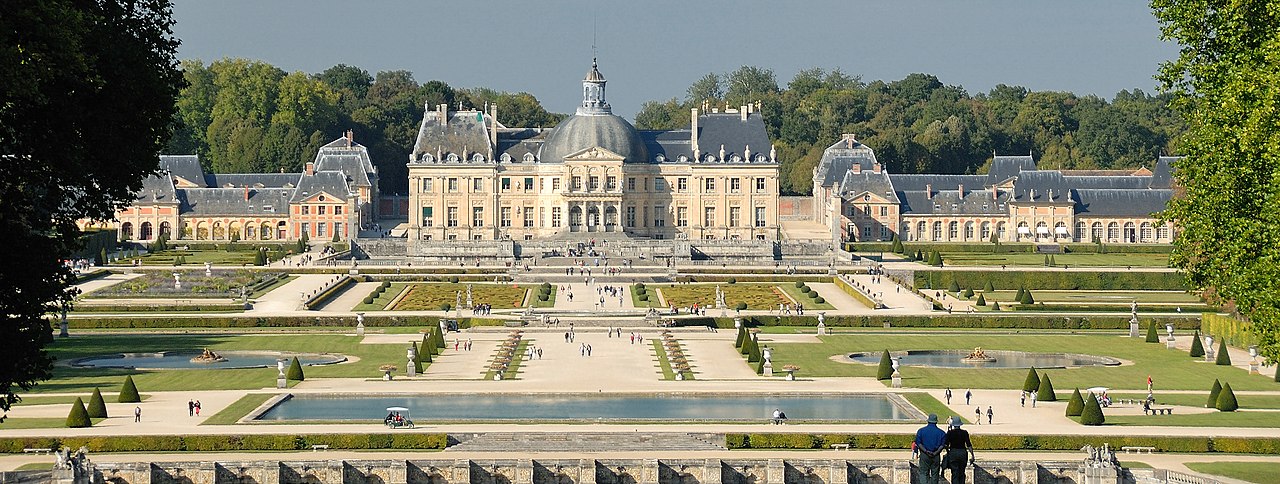
The Château de Vaux-le-Vicomte, located just 55 kilometers southeast of Paris, ranks among France’s most breathtaking—and most famous—historical monuments. Built in the 17th century for Nicolas Fouquet, Superintendent of Finances under Louis XIV, this grand estate was meant to embody unrivaled power, art, and luxury. Yet it became the stage for one of history’s most dramatic downfalls.
Today, the Château de Vaux-le-Vicomte stands as a must-visit destination for travelers exploring the Île-de-France region. With its perfectly symmetrical gardens, lavish interiors, and a history worthy of a courtly drama, the château offers a glimpse into the extravagance of the Grand Siècle—and the perils of outshining the Sun King.
Why Visit the Château de Vaux-le-Vicomte in 2026?
Vaux-le-Vicomte is no mere frozen museum: it is a living estate, reinventing itself with the seasons. In 2024, visitors can experience a blend of timeless grandeur and groundbreaking new experiences:
1. The Reopening of the King’s Apartments
After meticulous restoration work, the King’s Apartments – where Louis XIV himself once stayed (before his famous betrayal) – are reopening their doors. The gilded ceilings, refined tapestries, and newly restored frescoes offer an even more immersive dive into aristocratic life in the 17th century.
2. Nocturnal candlelit tours
One of the château’s most magical experiences is returning in 2024: the *Soirées aux Chandelles* (Candlelit Evenings). Every Saturday from May to October, over 2,000 candles illuminate the gardens and interiors, recreating the ambiance of Fouquet’s legendary inauguration party – the one that sealed his fate. Tickets go quickly: advance booking is highly recommended.
3. A new exhibition: *« The Fall of Fouquet – Forgotten Letters »*
This temporary exhibition, on view until December 2024, presents recently discovered correspondence between Fouquet and his allies in the weeks leading up to his arrest. The letters reveal the political intrigues of the time and offer a human perspective on a man often portrayed as a villain.
4. Enhanced garden experiences
The gardens, designed by André Le Nôtre (who later created those at Versailles), are at their peak in spring and summer. In 2024, new guided tours highlight the symbolism behind their layout: from statues with hidden meanings to optical illusions that enhance the grandeur of the estate.
5. Family-friendly activities
The château has expanded its offerings for young visitors, with a treasure hunt in the gardens and a new interactive exhibition where children can dress up in 17th-century costumes. The Carriage Museum now features a playful space where they can discover the modes of transport from days gone by.
The rise and fall of Nicolas Fouquet: a cautionary tale
To understand Vaux-le-Vicomte, one must first know its creator—and his tragic end.
The man who dared to outshine the King
Nicolas Fouquet was one of the most powerful men in France in the 1650s. Superintendent of finances, he amassed a fortune through shrewd investments and… less scrupulous methods. But his true passion was art and architecture. Inspired by Italian villas, he dreamed of building a château capable of rivaling Europe’s grandest palaces.
In 1656, he acquired the Vaux-le-Vicomte estate and surrounded himself with an unbeatable team:
– The architect Louis Le Vau (who later worked on Versailles)
– The landscape gardener André Le Nôtre (the genius behind the gardens of Versailles)
– The painter-decorator Charles Le Brun (future collaborator of Versailles)
For five years, thousands of workers brought Fouquet’s vision to life. The result? A masterpiece of Baroque symmetry, where architecture and nature merged into one.
The party that changed everything
On 17 August 1661, Fouquet hosted an opening celebration that would go down in history. He invited 6,000 guests, including the young Louis XIV, then just 22 years old. The evening featured:
– A performance of Molière’s *Les Fâcheux* (written especially for the occasion)
– Fireworks lighting up the night sky
– A feast so lavish that fountains flowed with wine
– Gardens illuminated by thousands of candles
The young king was stunned – but not in a good way. How could a mere subject dare live in such opulence? Worse still, rumours spread that Fouquet had embezzled public funds to finance his palace. Three weeks later, Louis XIV had Fouquet arrested. The charges? Treason, embezzlement, and “lèse-majesté” (an affront to royal dignity).
Fouquet spent the next 19 years in prison, including a stay in the notorious fortress of Pignerol, where he died in 1680. Meanwhile, Louis XIV confiscated the artworks, furniture, and even the orange trees from Vaux-le-Vicomte—then recruited Fouquet’s entire team to build Versailles.
Discover Vaux-le-Vicomte: the must-sees
Vaux-le-Vicomte is less vast than Versailles, but just as impressive. Here’s how to make the most of your visit:
1. The Grand Salon and the state apartments
The heart of the château, the Grand Salon was designed to dazzle visitors with its double-height ceiling and monumental staircase. Don’t miss:
– The ceiling painted by Charles Le Brun, featuring Fouquet’s coat of arms
– The marble fireplace, a gift from the Pope (yes, Fouquet had that kind of influence)
– The Venetian mirrors, a rare luxury in 17th-century France
The state apartments include the king’s bedroom, where Louis XIV briefly stayed, as well as the queen mother’s apartments, decorated in softer tones.
2. The gardens: a masterpiece of French formal gardening
The gardens of Vaux-le-Vicomte, designed by André Le Nôtre, set the standard for French landscape design. Highlights:
– The Grand Parterre: a geometric pattern of flowerbeds and gravel, designed to be admired from the château’s terraces.
– The Grand Canal: a 1.5 km-long body of water that reflects the sky and the château’s façade.
– The groves and statues: hidden among the trees, marble statues depict Greek myths and allegorical figures.
– Optical illusions: Le Nôtre used perspective tricks to make the gardens appear longer than they are. Climb the steps and watch how the paths seem to converge in the distance.
Practical tip: Rent a golf cart or bicycle to explore the gardens more comfortably, especially if visiting with children or in hot weather.
3. The Carriage Museum
Housed in the former stables, this museum features one of Europe’s finest collections of 18th- and 19th-century carriages. Don’t miss:
– A gilded coronation carriage used by Napoleon III
– A Russian sleigh lined with bear fur
– A child’s carriage small enough for a doll
4. The kitchens and servants’ quarters
Often overlooked, the kitchens in the basement offer a fascinating glimpse into the preparation of meals for hundreds of guests. Observe:
– The enormous fireplaces for roasting whole animals
– The copper pots, some of which still bear the Fouquet family’s coat of arms
– The underground passage used to discreetly serve dishes in the dining room
5. The view from the rooftops
If you’re up for the climb, the rooftop terrace offers exceptional panoramic views of the gardens and surrounding countryside. It’s also the perfect spot to admire the château’s perfect symmetry.
Practical information for your visit to the Château de Vaux-le-Vicomte
How to get there from Paris
Vaux-le-Vicomte is easily accessible from Paris:
– By car: ~55 km (45–60 minutes via the A6 or A4)
– By train + shuttle: Take Transilien line R from Gare de Lyon to Melun, then take the Châteaubus shuttle (included with your entry ticket).
– On an organized tour: Many agencies offer half-day trips from Paris, often combined with Fontainebleau.
Ticket prices (2024)
– Château + Gardens: €19.50 (adults), €13 (ages 6-17), free for under 6s
– Candlelit Evenings: €24.50 (adults), €16 (ages 6-17)
– Family Pass (2 adults + 2 children): €55
– Audio guide: €3 (highly recommended to enhance your visit)
Best time to visit
– Spring (April–June): The gardens are in full bloom and crowds are lighter.
– Summer (July–August): Busier, but the candlelit evenings are unforgettable.
– Autumn (September–October): Fewer tourists and autumnal colours give the gardens a new dimension.
– Winter (November–March): The château is open, but the gardens are less appealing. However, the Christmas decorations inside are stunning.
Recommended visit duration
– Half-day (3–4 hours): Enough to see the château and stroll along the main garden paths.
– Full day (5–6 hours): Ideal if you want to explore the groves, visit the Carriages Museum and have a picnic.
Accessibility
The château is partially wheelchair accessible. The ground floor and gardens are accessible, but the upper floors require climbing stairs. Wheelchairs are available for rent on site.
Dining options
– The Squirrel: A relaxed café near the entrance offering sandwiches, salads, and pastries.
– The Château Table: A more refined restaurant serving seasonal French cuisine (reservations recommended).
– Picnic areas: You can bring your own food and enjoy it in the designated garden zones.
Château de Vaux-le-Vicomte or Château de Versailles: which to choose?
If you're torn between Vaux-le-Vicomte and Versailles, here’s a comparison:
| Criterion | Vaux-le-Vicomte | Versailles | |---------------------|--------------------------------------------|-------------------------------------------| | Crowds | Quieter, more intimate | Very busy, especially in summer | | Size | Compact, easy to visit in half a day | Vast – requires a full day (or more) | | Gardens | More “human-scale,” less crowded | Grand but often overrun by tourists | | History | Personal story of Fouquet’s fall and glory | Heart of French royal power | | Atmosphere | Romantic, less commercialized | More touristy but iconic | | Candlelit events | Yes (select Saturdays) | Yes (but much more expensive) |
Verdict: If you're looking for a more authentic and less crowded experience, choose Vaux-le-Vicomte. If you're seeking grandeur and royal history, Versailles is unmatched. Ideally, visit both—they're just 30 minutes apart by car.
Hidden gems and local tips
1. The Secret Garden of the Muses
Nestled in a secluded corner of the estate, this small garden features statues of the nine muses. Often overlooked by tourists, it offers a peaceful retreat for reflection.
2. The "Fouquet’s Cell" Experience
In the castle’s basement, a small room has been recreated to evoke Fouquet’s prison cell in Pignerol. A poignant reminder of his fate.
3. The nearby village of Maincy
Just a 10-minute walk from the château, this charming village has a few pleasant spots:
– Le Relais de Vaux: A cozy bistro with a terrace overlooking the château.
– Église Saint-Étienne: A 12th-century church with a tranquil inner garden.
4. "Grand Siècle" costume rental
For a fun photo session, you can rent 17th-century costumes (€10–20) and pose in the gardens like a true aristocrat.
5. The annual "Fête des Lumières"
Every September, Vaux-le-Vicomte hosts a light festival where the gardens come alive with projections and colorful installations. An excellent alternative to candlelit evenings.
How the Château de Vaux-le-Vicomte Inspired Modern Culture
The story of Fouquet and his château has left its mark on art, literature, and even popular culture:
In literature:
– Alexandre Dumas referenced Fouquet in *Le Vicomte de Bragelonne*, a volume in his *Three Musketeers* series.
– Voltaire cited Vaux-le-Vicomte in his writings as a symbol of hubris.
In film and television:
– The château has served as a filming location for movies such as *The Man in the Iron Mask* (1998) and *Marie Antoinette* (2006).
– The BBC series *Versailles* (2015–2018) drew heavily from Fouquet’s story for its first season.
In fashion:
– The symmetry and opulence of Vaux-le-Vicomte have inspired designers like Christian Dior and Jean-Paul Gaultier, who have cited its gardens as a muse.
In business management:
– Fouquet’s downfall is often taught in business schools as a case study on hierarchical relationships—how not to overshadow your superior!
Day Trip Itinerary: Paris to the Château de Vaux-le-Vicomte
If you're planning a day trip from Paris, here’s a suggested itinerary:
Morning: – 8:00 AM: Departure from Paris (Gare de Lyon) bound for Melun. – 9:00 AM: Arrival at Vaux-le-Vicomte, pick up the audio guide, and begin the château tour. – 10:30 AM: Explore the gardens, with a focus on the Grand Parterre and the canal.
Lunch: – 12:30 PM: Picnic in the gardens or lunch at *L’Écureuil*.
Afternoon: – 1:30 PM: Visit the Carriages Museum and the kitchen. – 2:30 PM: Stroll to the village of Maincy for coffee or a quick visit to the church. – 3:30 PM: Return to the gardens for a walk or a bike ride.
Evening (if attending the illuminated gardens): – 6:00 PM: Dinner at *La Table du Château*. – 8:00 PM: Visit the candlelit gardens and château. – 10:00 PM: Return to Paris.
Final Thoughts: Why Château de Vaux-le-Vicomte Deserves Your Visit
Vaux-le-Vicomte is more than just a stunning château—it’s a symbol of ambition, art, and the perils of power. While Versailles draws more attention, Vaux-le-Vicomte offers a more personal and intimate experience of France’s golden age. Whether you’re a history enthusiast, a garden lover, or simply a fan of beautiful stories, this estate will captivate you.
And let’s not forget the irony: without Fouquet’s downfall, Versailles might never have been built. In that sense, Vaux-le-Vicomte is not just a precursor to Versailles—it is the original model.
So, if you’re planning a trip to Paris in 2024, make time for this hidden gem. Walk in the footsteps of a disgraced finance minister, admire the genius of Le Vau and Le Nôtre, and perhaps you’ll learn a lesson or two about not outshining your own superior.
After all, as Fouquet learned the hard way, no one outshines the Sun King.


