Breteuil Castle: A timeless journey through French history and heritage
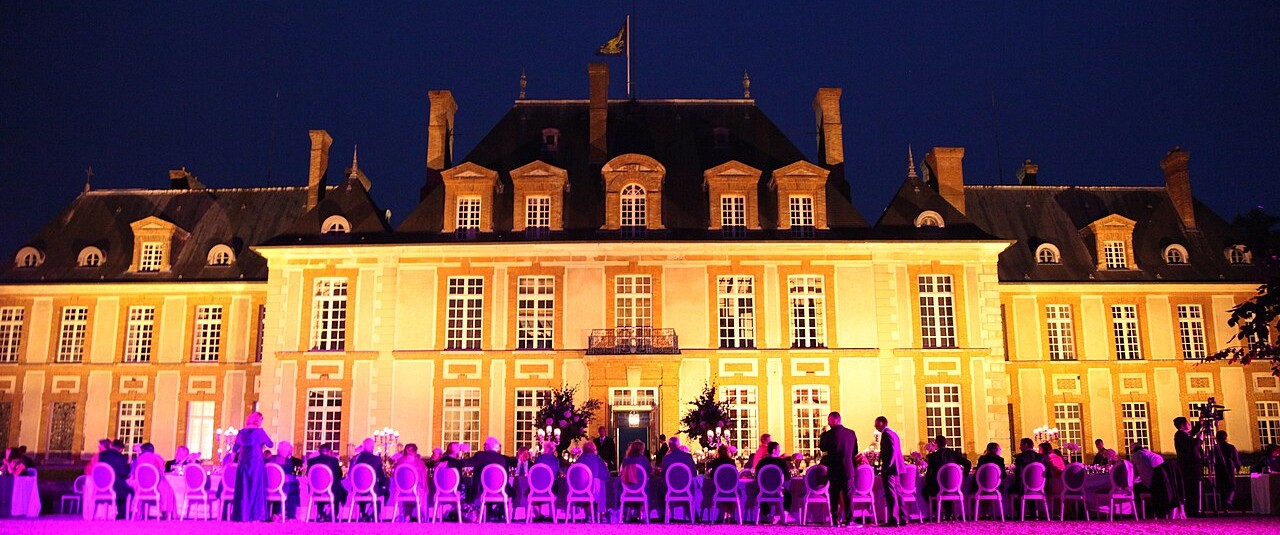
Discover a Hidden Gem Near Paris Where Fairy Tales Come to Life
Just 40 minutes from the bustling streets of Paris lies a place where history, nature, and storytelling blend seamlessly—the Château de Breteuil. Often overshadowed by more famous castles like Versailles or Fontainebleau, this 17th-century estate offers an intimate and authentic glimpse into French aristocratic life, complete with lush gardens, a rich heritage, and even a few surprises for visitors of all ages.
If you're looking for a day trip from Paris that feels like stepping into a fairy tale, Breteuil is an ideal destination. Unlike crowded tourist sites, this château retains its charm thanks to its well-preserved interiors, fascinating family history, and one of France’s most beautiful private gardens. Whether you're a history enthusiast, a garden lover, or traveling with children, Breteuil promises an unforgettable experience.
In this guide, we’ll explore:
The history and heritage of the Château de Breteuil, from its royal connections to its modern appeal
What makes its gardens and park among the most remarkable in Île-de-France
The unique attractions inside the château, including the famous Charles Perrault Fairy Tale Wax Museum
Practical tips for visiting in 2024, including opening hours, tickets, and how to get there from Paris
Why this hidden gem deserves a place in your Paris itinerary
A stroll through history: the story of the Château de Breteuil
From Louis XIV to the present day: a castle with royal roots
Built between 1679 and 1684 by Louis de Breteuil, a close advisor to King Louis XIV, the château was designed as a country retreat for Parisian nobility. Its architecture reflects the grandeur of the era, blending French classical style with the elegance of the early Baroque period.
The estate remained in the Breteuil family for generations, but its most famous resident was Baroness Henri de Breteuil in the 19th century. A woman ahead of her time, she transformed the château into a true cultural hub, welcoming artists, writers, and politicians. Her passion for gardening also gave rise to the magnificent French-style gardens that continue to amaze visitors today.
During the Second World War, the château played a discreet but important role. Occupied by German forces, it escaped destruction thanks to the quick thinking of the de Breteuil family, who hid valuable works of art and furniture. After the war, the estate was carefully restored, ensuring the preservation of its heritage.
Today, the château remains in the hands of the de Breteuil family, making it one of the few private châteaux in France open to the public. This personal dimension is felt in every detail—from the family portraits adorning the walls to the thoughtfully designed tours that bring history to life.
The architecture: a masterpiece of 17th-century elegance
The Château de Breteuil is a magnificent example of French classical architecture, characterized by:
Symmetrical façades with tall, narrow windows and mansard roofs
A central courtyard framed by two wings
Richly decorated interiors with original woodwork, tapestries, and period furniture
Unlike the overwhelming opulence of Versailles, Breteuil offers an intimate and lived-in atmosphere. The rooms are arranged as they were in the 18th and 19th centuries, giving visitors the impression of stepping into a private home rather than a museum.
Exploring the Gardens: A Green Oasis Near Paris
Why the Breteuil Gardens Rank Among France’s Most Beautiful
The Gardens of Château de Breteuil span 75 hectares (185 acres) and are considered among the most remarkable in the Île-de-France region. Designed in the French formal style with influences from the English landscape garden, they strike a perfect balance between refined elegance and natural beauty.
Highlights to Discover:
– The Grand Parterre: a geometric masterpiece featuring meticulously trimmed hedges, flowerbeds, and fountains, offering breathtaking views from the château’s terraces.
– The English Garden: a more romantic and winding space with rare trees, a tranquil pond, and hidden paths—ideal for a peaceful stroll.
– The Rose Garden: home to over 100 varieties of roses, in bloom from late spring to early autumn.
– The Kitchen Garden: a productive garden supplying the château’s restaurant with fresh, seasonal produce.
– The Maze: a playful challenge for families, leading to a charming fairy-tale pavilion at its center.
The gardens are not just meant to be admired — they are designed to be explored. Visitors can stroll along shaded paths, relax by the water features, or even enjoy a picnic on the lawns (dedicated areas are provided).
Seasonal highlights: when to visit for the best experience
The gardens transform with the seasons, offering a different experience throughout the year:
– Spring (April–June): the ideal time to admire tulips, daffodils and magnolias in full bloom. The rose garden also begins to flourish.
– Summer (July–August): the fountains are in full swing, and the English garden is lush. Evening visits (on certain days) create a magical atmosphere with illuminated pathways.
– Autumn (September–October): the autumnal colours turn the English garden into a golden landscape, while the kitchen garden offers its final harvests.
– Winter (November–March): quieter, this season lends the château a fairy-tale feel with its bare trees and frosted landscapes. Indoor visits focus on the château’s history and festive decorations.
Inside the château: a journey through time and fairy tales
The Charles Perrault Fairy Tale Wax Museum
One of the most unique attractions at the Château de Breteuil is its wax museum, dedicated to the fairy tales of Charles Perrault, the 17th-century French author behind classics such as:
– Cinderella
– Sleeping Beauty
– Little Red Riding Hood
– Puss in Boots
The museum features life-size wax figures depicting iconic scenes from these stories, set within the castle’s historic rooms. It’s a true delight for children (and nostalgic adults), bringing the tales to life in a magical and authentic way.
The castle interiors: a glimpse into aristocratic life
A guided tour (available in English) takes visitors through the most iconic rooms of the château, each telling its own story:
– The Grand Salon: where the Breteuil family hosted guests at lavish balls and concerts.
– The dining room: set with 18th-century porcelain and silverware, ready for a royal feast.
– The library: home to rare books and manuscripts, including original editions of Perrault’s fairy tales.
– The bedrooms: furnished with antique beds, tapestries and personal items belonging to the family.
– The chapel: a small yet remarkable private chapel, featuring original stained glass.
What sets Breteuil apart is its authenticity. Unlike some châteaux that resemble frozen museums, the interiors of Breteuil are still used by the family, giving the tours a personal, almost intimate touch.
Exhibitions and special events in 2024
The Château de Breteuil regularly hosts temporary exhibitions and special events, making each visit unique. In 2024, don’t miss:
– “The Art of the French Garden” (March–October): an immersive experience into the history and techniques of Breteuil’s landscapes.
– “Tales by Night” (July–August): evening visits featuring live storytelling, lantern-lit paths, and costumed actors bringing Perrault’s fairy tales to life.
– The Autumn Harvest Festival (September): a celebration of the vegetable garden’s produce with cooking demonstrations, tastings, and workshops.
– Christmas at the Château (December): festive decorations, themed tours, and a Christmas market in the courtyard.
Check the official website for updated opening hours and ticket information.
Visiting the Château de Breteuil: Practical Information for 2026
How to get there from Paris
The Château de Breteuil is located in Choisel, in the Yvelines, about 40 km southwest of Paris. Here’s how to get there:
By car (recommended)
– Travel time: approximately 40 minutes from central Paris
– Route: take the A10 (direction Bordeaux), exit at Saint-Arnoult-en-Yvelines, then follow signs for Château de Breteuil
– Parking: free parking on site
By public transport
– Train + taxi: take the RER C to Saint-Rémy-lès-Chevreuse, then a taxi (~15 min, ~€20) to the château
– Bus: line 39.18 from Massy-Palaiseau station (RER) to Choisel Mairie, then a 10-minute walk
Guided tours from Paris
Some operators offer half-day or full-day excursions including transport, entry, and a guided tour. Check platforms like Viator or GetYourGuide.
Opening hours and tickets (2026)
Opening period:
– From March 30 to November 3, 2026 (closed on Mondays during low season)
– Open daily in July and August
Hours:
– 10:00 AM – 6:00 PM (last entry at 5:00 PM)
– Extended hours during evening events (check the official website)
Prices (2026):
Ticket type:
Price (€)Adults: 16.50 – Children (5–12 years): 10.50 – Students / Seniors: 13.50Family (2 adults + 2 children): 48.00 – Under 5 years: Free
Included with ticket:
– Access to the château, gardens, wax museum, and maze
– Guided tour (in French; English audio guides available)
– Garden map
Pro tip: Book online in advance to skip the line, especially on weekends and during peak season.
Tips for a successful visit
Arrive early: the château is quieter in the morning. Weekdays are less crowded than weekends.
Wear comfortable shoes: the gardens require a lot of walking, and some paths are gravel.
Bring a picnic: while an on-site tearoom is available, picnics are permitted in designated areas.
Visit the gift shop: it offers local honey, jams, and handmade crafts, perfect as souvenirs.
Find out about special tours: the “behind the scenes” tour (additional fee) grants access to private family spaces usually closed to the public.
Combine with nearby attractions:
– Château de Dampierre (15 minutes by car)
– Abbaye de Port-Royal des Champs (10 minutes)
– Forêt de Rambouillet (20 minutes)
Why Château de Breteuil should be on your Paris itinerary
In a city overflowing with iconic sites, the Château de Breteuil stands out as a hidden gem. Here’s why it deserves your attention:
✅ AUTHENTICITY: unlike Versailles, which can seem overwhelming, Breteuil offers a personal and intimate experience of French heritage.
✅ FAMILY-FRIENDLY: the wax museum of fairy tales and the maze make it one of the best day trips from Paris with children.
✅ NATURE ESCAPE: the gardens are a peaceful haven, ideal for nature lovers and photographers.
✅ LESS CROWDED: even in peak season, Breteuil remains a pleasant visit, offering a relaxed and enjoyable experience.
✅ CULTURAL RICHNESS: from its royal history to its literary connections, the château offers many stories to discover.
A fairy-tale getaway from Paris
The Château de Breteuil is far more than just a château — it’s a living piece of French history, a paradise for garden enthusiasts and a playground for the imagination. Whether you stroll along rose-scented paths, admire the wax figures of Cinderella and Puss in Boots, or enjoy tea in a salon once frequented by the aristocracy, every moment feels like stepping back in time.
If you're planning a stay in Paris and want to escape the crowds without going far, Breteuil is an ideal choice. It's close enough for a half-day visit, while offering a true change of scenery.
So, when will you add the Château de Breteuil to your Parisian adventure? Share your impressions or questions in the comments—we’d love to hear about your experience!
Nearby sites to combine with your visit
To make the most of your outing, you can pair the Château de Breteuil with one of these nearby locations:
Château de Dampierre – A magnificent 17th-century château with moats and elegant interiors, just 15 minutes away.
Abbaye de Port-Royal des Champs – The ruins of a historic abbey nestled in a peaceful setting.
Forêt et château de Rambouillet – A former royal hunting estate and vast forest, perfect for hiking and wildlife spotting.
France Miniature – A miniature park featuring France’s most famous landmarks, ideal for families.
Each of these sites adds a unique dimension to your exploration of the countryside of Île-de-France.
Frequently Asked Questions about Château de Breteuil
Is Château de Breteuil worth visiting?
Absolutely! It’s one of the most authentic and charming châteaux near Paris, offering history, gardens, and family-friendly activities without the crowds of Versailles.
How much time should I plan for the visit?
Allow 3 to 4 hours to explore the château, gardens, and wax museum at a leisurely pace. With children or a picnic, plan for 4 to 5 hours instead.
Can we take photos inside?
Yes, photography is permitted (without flash) in most areas, unless otherwise indicated.
Is the château accessible to people with reduced mobility or with a stroller?
The ground floor is accessible, but the upper floors require climbing stairs. The gardens have gravel paths, so it’s advisable to use a sturdy stroller.
Are pets allowed?
Dogs on a leash are welcome in the gardens, but not inside the château.
When is the best time to visit?
The spring (April–June) for the blooming flowers and the autumn (September–October) for the golden hues are ideal. Summer is perfect for evening events, while winter offers a calm and magical atmosphere.
Can you buy tickets on-site?
Yes, but it is recommended to book online to avoid waiting, especially on weekends and during school holidays.
—
Have you already visited the Château de Breteuil? Share your best memories or tips in the comments!


