American Cathedral in Paris
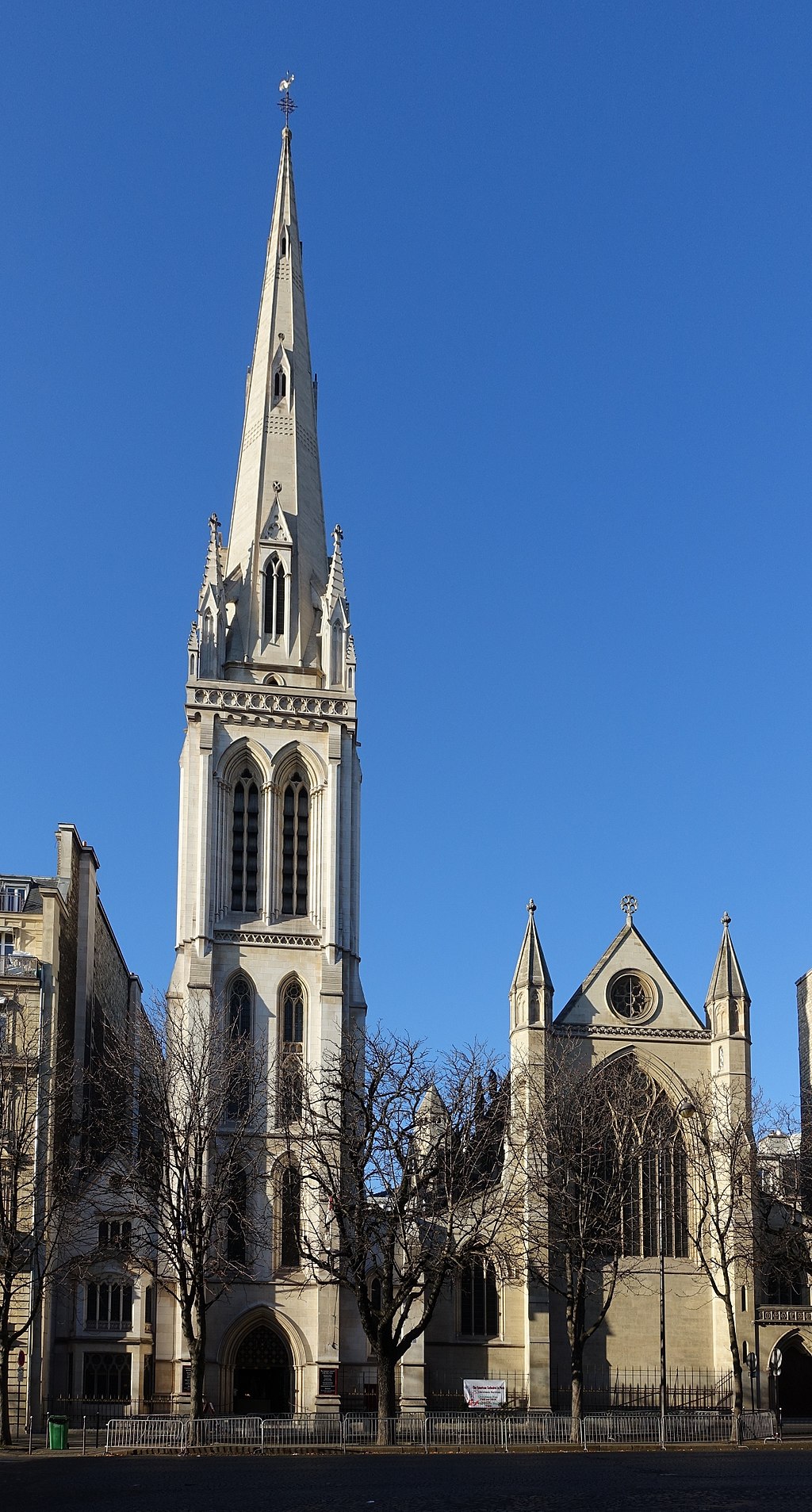
The American Cathedral in Paris, also known as the Cathedral of the Holy Trinity, is a Parisian church dating back to the late 19th century. It serves the Anglican faith and acts as the cathedral for the Convocation of Episcopal Churches in Europe of the Episcopal Church of the United States. A hidden gem in the 8th arrondissement, it blends history, spirituality, and breathtaking architecture, nestled on the prestigious Avenue George V, it offers an open door to American heritage in France, a peaceful haven in the heart of Paris, and a true work of art.
Another nearby address with little in common with the American Cathedral in Paris: the Crazy Horse Cabaret - Réservation Cabaret Crazy Horse)
Many nearby attractions to visit:
Musée des Egouts de Paris - Esplanade Habib Bourguiba, Pont de l'Alma, 75007 Paris - No reservation required
Book Seine River cruise – Departure Tour Eiffel – Port de la Bourdonnais 75007
Book Seine River cruise – Departure Pont de l’Alma – Bateaux-Mouches
History of the American Church in Paris
In 1814, American Protestants in Paris gathered in homes around the city, then in the Oratory Temple of the Louvre from 1816 onwards under the protection of Talleyrand. In 1858, Emperor Napoleon III officially recognized the American Church of Paris. They founded the American Church of Paris as early as 1814, making it the first American church established outside the United States. It was created in 1814, and its current church is located at 65, quai d'Orsay, in the 7th arrondissement, built in 1931. See the history of this American church at the end of the article.
The American Cathedral in Paris
In addition to the American Church on Quai d'Orsay, Americans also have their cathedral on Avenue George V in the 8th arrondissement.
The construction of the American Cathedral in the 8th
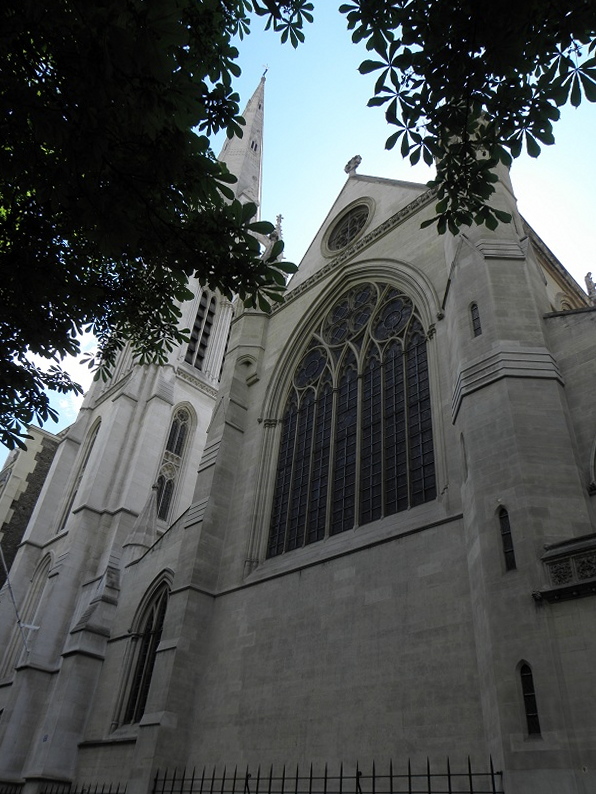
Construction began in 1881 on Avenue George-V, near the Champs-Élysées. It was built in the Neo-Gothic style according to the plans of English architect George Edmund Street. It was consecrated on November 25, 1886.
Gothic Revival style
Unlike Paris’s more famous cathedrals such as Notre-Dame or the Madeleine, the American Cathedral in Paris offers an intimate and unique experience. Its Neo-Gothic style (Gothic Revival), inspired by the great medieval cathedrals, captivates with its soaring lines, pointed arches, and intricate sculptural details. A perfect blend of European tradition and transatlantic influence.
Inaugurated in 1886, with additions in 1906, 1911, and 1623
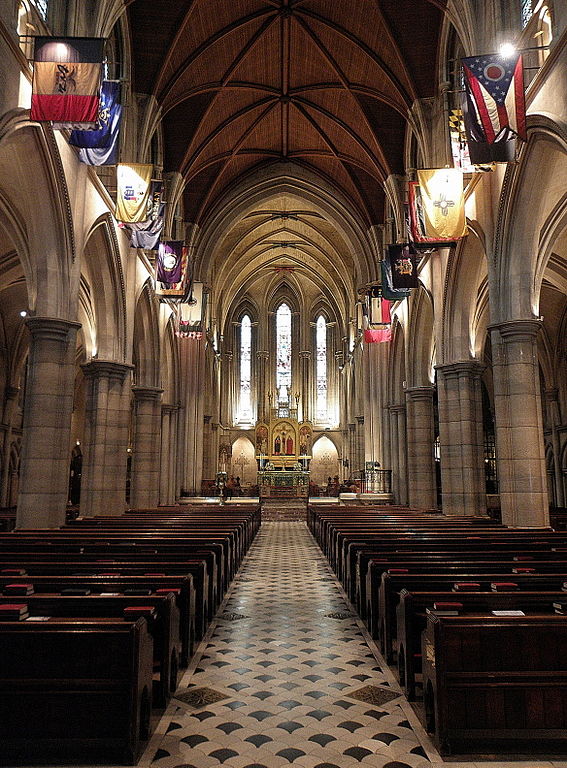
Inaugurated in 1886, the cathedral was designed by the English architect George Edmund Street, renowned for his Neo-Gothic works. Its steeple, visible from the Champs-Élysées, adds a sense of verticality to the Parisian skyline. Inside, the majestic nave and ribbed vaults create an atmosphere that is both solemn and welcoming.
The spire, designed by Arthur Edmund Street, son of the original architect who had passed away in the meantime, completed the building between 1904 and 1906. In 1911, architect Pett built the presbytery, and in 1923, a memorial dedicated to American soldiers who died during the First World War was added.
The cathedral and its bell tower, as well as the covered gallery bordering its south façade, were classified as historic monuments by a decree dated August 27, 1997.
Features of the cathedral
Height: 85 m
Architects: George Edmund Street, Arthur Blomfield
Architectural style: Neo-Gothic
Opening date: 1886
Denomination: Episcopal (Anglican Communion)
Protection: Listed as a historic monument (1997)
The stained glass and cloister of the American Cathedral in Paris
One of the cathedral’s treasures lies in its stained glass windows from the 1880s.
The cathedral’s 42 stained glass windows were created by glass artist James Bell between 1883 and 1893, on the theme of the Te Deum.
These colorful works of art, crafted by renowned stained glass artisans, depict biblical scenes with intricate detail and captivating luminosity. Do not miss the stained glass dedicated to Saint John the Evangelist, striking in its beauty, or the one depicting The Last Supper, where the interplay of light enhances every detail.
Another must-see is the Memorial Cloister of the War
Added in 1923, this place of remembrance pays tribute to American and Allied soldiers who fell during the two world wars. The walls are adorned with engraved plaques, flags, and symbolic objects, creating an atmosphere of respect and memory. A moving visit that recalls the United States' commitment to European history.
The Cathedral, also a place of cultural and community life
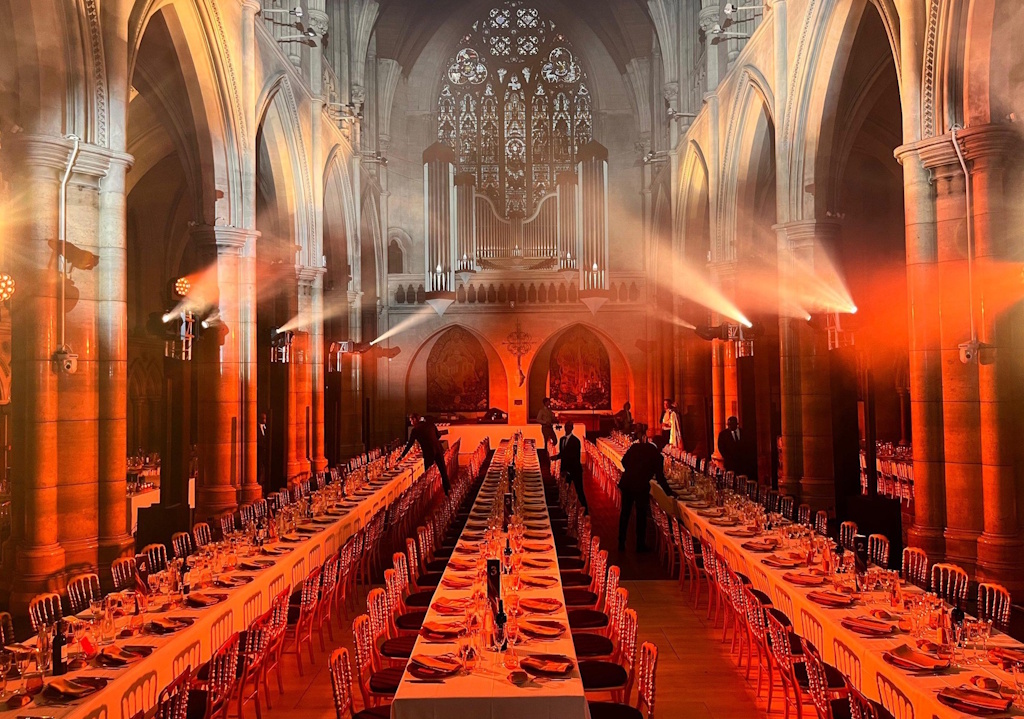
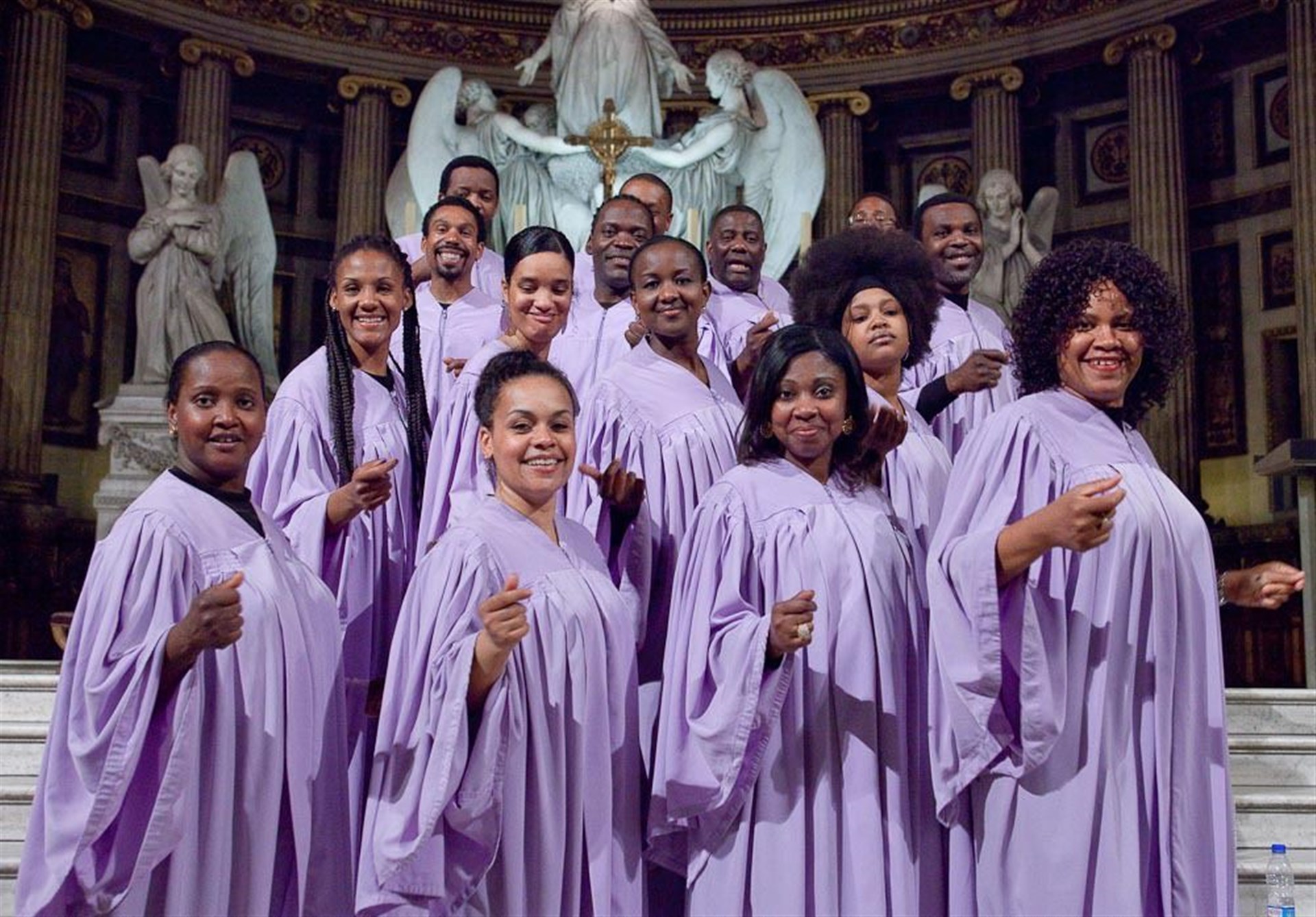
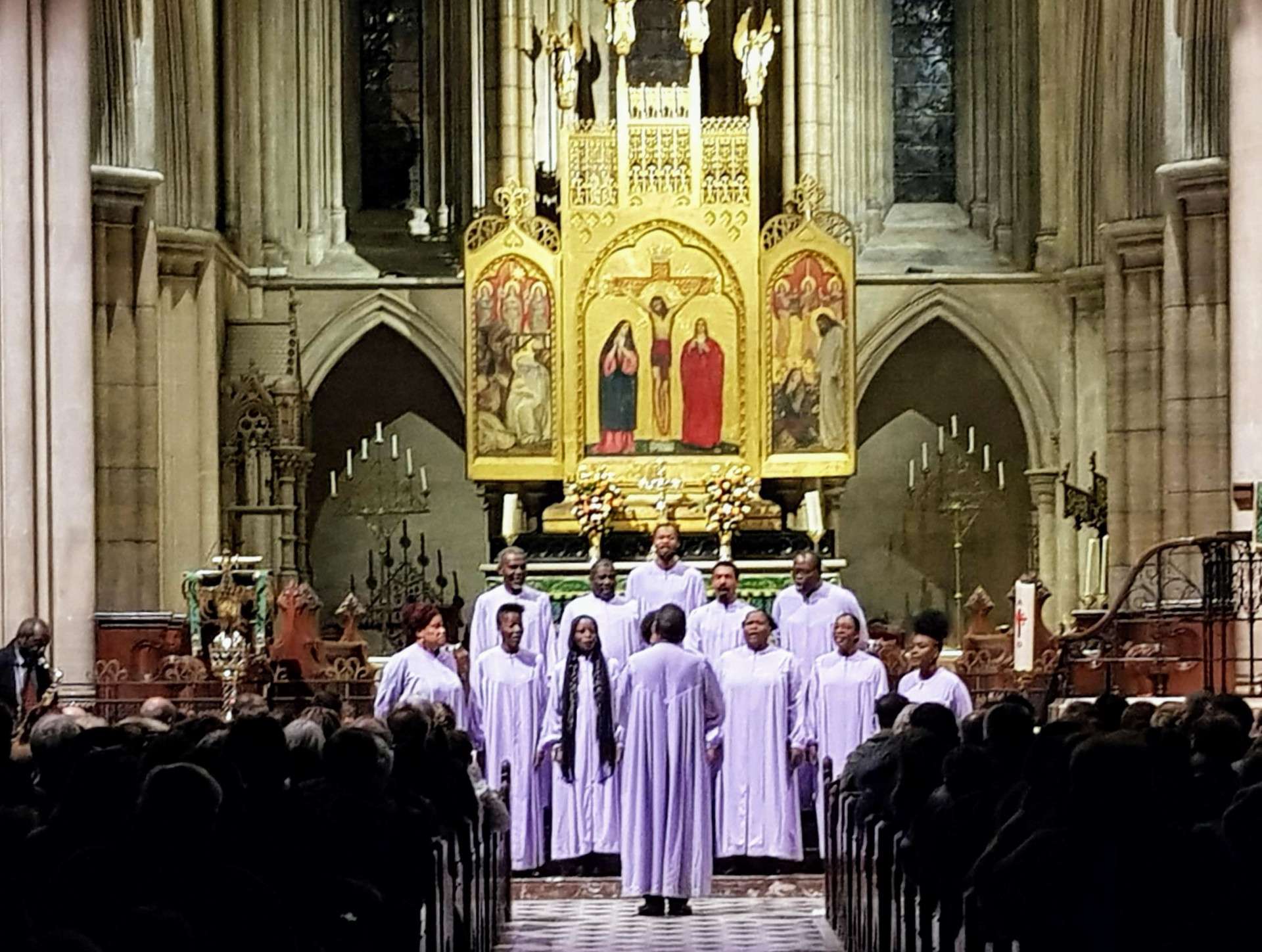
The cathedral is also a place of cultural and community life. It regularly hosts sacred music concerts, lectures, and exhibitions. Its exceptional acoustics make it a sought-after concert hall for choirs and instrumental ensembles. Check the website to discover the schedule and attend an event during your visit.
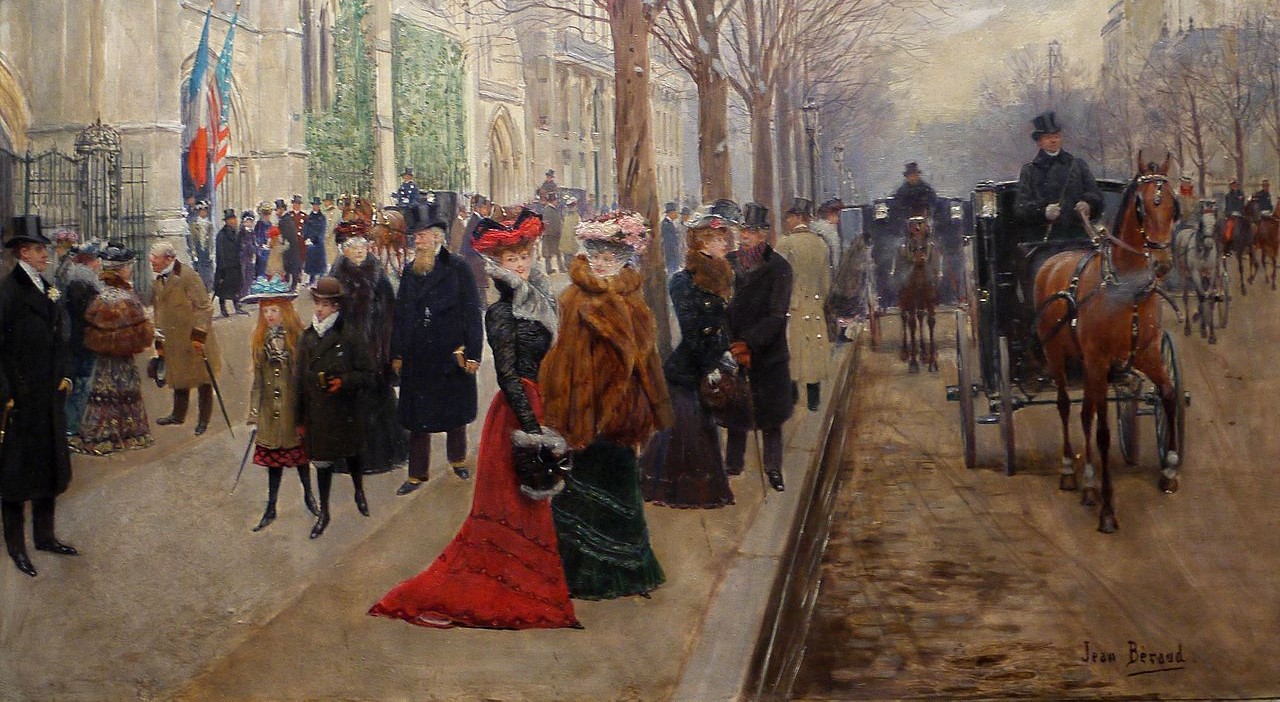
For history enthusiasts, the cathedral houses fascinating archives on the American community in Paris. Since the 19th century, it has been a gathering place for expatriates, artists, and intellectuals, some of whom have left their mark on history. Ernest Hemingway, Gertrude Stein, and other iconic figures once sat in its pews, adding a literary touch to its heritage.
Can you visit the Cathedral?
Visiting the American Cathedral in Paris is free, though donations are welcome to support its upkeep. Opening hours are flexible, with English-language services on Sundays and weekdays. It’s the perfect opportunity for English speakers to experience a spiritual moment in their own language, or for French speakers to discover a different facet of Christianity.
What makes this place truly unique is its blend of solemnity and warmth. Unlike the often tourist-packed churches of Paris, the cathedral offers a space for calm and reflection, where visitors can sit, admire the architecture, and recharge. Despite its central location, the peace that fills the space never fails to impress.
Finally, don’t miss the cathedral bookshop, where you’ll find works on Anglican history, English-language prayer books, and souvenirs tied to the American community. A little slice of heaven for book lovers and religious history enthusiasts.
In summary
The American Cathedral in Paris is a hidden gem well worth the detour. Whether you seek spirituality, art, history, or simply a moment of peace, this place will captivate you. A visit that will enrich your stay in Paris with an authentic and moving touch.
So, on your next trip to Paris, take the time to step inside this cathedral. You’ll leave with unforgettable memories and a deeper appreciation for the cultural and spiritual heritage of the City of Light. Located just a short walk from the Champs-Élysées and Place de l’Alma, the cathedral is also easily accessible. It’s a spiritual and cultural stop that fits perfectly into a classic sightseeing itinerary.
The American Cathedral in Paris and the American Church in Paris
To avoid any confusion, there is also the American Church in Paris.
The American Church in Paris (in English: American Church in Paris) is the first American church established outside the United States. It was founded in 1814 and is located at 65, Quai d'Orsay, in the 7th arrondissement. It was built in 1931.
In 1925, the church acquired the Quai d'Orsay site and commissioned architect Carrol Greenough to design a grand neo-Gothic building. The first stone was laid on March 1, 1926, and the building was completed on March 6, 1931.
The American Church in Paris became an interdenominational association open to all believers adhering to the historical Christian tradition as expressed in the Apostles' Creed.
It is primarily frequented by American expatriates, but also by English speakers from other countries and other religious communities. Today, it still welcomes English-speaking Protestants from Paris hailing from 40 countries and 35 different Christian denominations. It offers its congregation a multicultural program.
The church buildings house two bilingual preschools, fitness groups, kung-fu and basketball classes, free concerts, as well as a community bulletin board and other services.
The architect Joseph Wilson Cochran created a rich iconography for a Reformed church, which is typically more restrained in its design. The north-facing windows and those of the narthex are all the same size. Some stained-glass windows pay tribute to American soldiers who fell during World War I.
The organ case is adorned with Gothic sculptures by Günther Hamann, the result of 900 hours of work. The organ features four manuals and 3,375 pipes made by the Beckerath organ works of Hamburg, Germany; it was inaugurated during a series of concerts from October 7 to 9, 1988.
The chapel houses a painting by Canadian Frank M. Armington, entitled Christ Contemplating Jerusalem.