Medical expenses for tourists in France are the responsibility of the tourist. Contrary to popular belief, foreigners are not entitled to free medical treatment in France – unless they are in an irregular situation! The cost of treatment is the same as for French nationals. The only difference is that the French national will be reimbursed in part or in full by the French Social Security system. In practice, it is usually the pharmacist or hospital that is reimbursed directly by the Assurance Sociale, with the patient paying only the “out-of-pocket” part.
Another difficulty for a sick tourist staying in Paris for only a few days is the time it takes to get an appointment with a doctor or to get a place for a check-up (MRI, X-rays, etc.). However, solutions do exist for medical emergencies (see below).
Read also: Safety in Paris: areas to be careful in, scams and practical tips
To help you plan your trip to Paris:
To learn Paris, click on Paris, the City of Light, Love, and the Arts
Take advantage of our website’s NEW, free exclusive feature—it’s worth its weight in gold
This site features a completely free “Paris Trip Planner” that will save you the hassle of trying to see as much as possible in as little time as possible.
1/ You enter your “general” preferences (museums, churches, monuments, parks, etc.),
2/ the planner then provides you with all the relevant listings,
3/ you click on what you want to visit 5/ with geographically optimized daily itineraries—if you wish—to avoid tedious and tiring travel.
It takes just 5 clicks and only 3 minutes. And it’s truly free. To use it, click on “Paris Trip Planner”
PHRASEBOOK: Having trouble finding the right word or phrase in French? Click here on PHRASEBOOK—or in the top right corner of your screen.
It’s a glossary of 100 useful words and/or phrases for tourists visiting Paris (at restaurants, hotels, while shopping, on the metro, greetings, asking for directions, etc.). Eight languages are available. And guess what? You can even hear each word and phrase spoken aloud in French!
Three possible cases for tourists, depending on their country of origin
While fees are the same for all, whether French or foreign, payment conditions of medical expenses for tourists in France vary according to the country of origin, depending on reciprocal agreements with France:
Citizens of the European Union, Iceland, Liechtenstein, Norway or Switzerland
Nationals of the United Kingdom
National of another country
National of a country of the European Union, Iceland, Liechtenstein, Norway or Switzerland (European Economic Area)
You must hold a European Health Insurance Card (EHIC). This allows you to benefit from health care coverage in France, and to gain easier access to the French healthcare system. To obtain this card, and before leaving for France, you need to apply to your local health insurance organization.
Each member of your family must have their own EHIC, including your children.
Your EHIC allows you to:
Benefit from unforeseen and medically necessary care in France (care that cannot wait until you return to your country)
Be reimbursed for your healthcare expenses (medical, pharmaceutical, dental, hospitalization and laboratory costs) – at least partially.
Depending on the professional you consult (private practitioner, mutual health center or public hospital, for example), you may or may not have to pay in advance.
If you pay the professional, you can claim reimbursement once you return to your country, from your affiliation organization, on presentation of invoices and proof of payment. Your health insurer will tell you how to proceed.
If you have forgotten your EHIC, you can still receive treatment in France, but you will have to pay in advance for all your medical expenses as a tourist in France, including hospital treatment.
Once back in your country, you can obtain reimbursement from your health insurance organization. Keep your invoices and proof of payment. They will be requested.
We recommend EKTA Traveling Insurance

A new generation insurance company that combines competitive prices with a high level of service
UK nationals and Medical expenses in France
As of January 11, 2021, you must apply for GHIC from your health insurance fund of affiliation in the UK.
This application must be made before coming to France.
This card covers benefits in kind:
Medical expenses
Pharmaceutical expenses
Dental treatment and prostheses
Hospitalization expenses
Laboratory tests and examinations
Medical transport costs.
In the event of loss, theft or omission, your health insurance fund can issue a Provisional Replacement Certificate (PRC).
This certificate, issued for a limited period of validity, can then be used under the same conditions as the GHIC.
The dated, signed treatment form, together with the prescription and a copy of your GHIC card or PRC, must be submitted to the CPAM (Caisse Primaire d’Assurance Maladie – French Social Security) in the place where you received your treatment.
You’ll need to specify your permanent address and bank details (bank name, address, SWIFT code, account number with IBAN or BIC code).
As a general rule, your health insurance fund will not reimburse all your expenses.
Nationals of other countries : Medical expenses for tourists in France
If you are a citizen of a country outside the European Economic Area, and not a UK national, you should contact your national health insurance provider before coming to France. In this way, you can find out whether they will cover medical expenses for tourists in France, treatment abroad, and under what conditions.
You may be advised to take out private insurance.
If you are not covered by the French Social Security system, you will have to pay the full cost of any treatment you receive in France.
As a general rule, a foreign patient will only be treated in a French hospital if the social organizations in his or her country of origin agree to cover the medical expenses for tourists in France, or if, failing that, the patient himself or herself assumes the costs of the operation, with the possible help of associative networks or the Embassy of his or her country.
In the case of specific treatments scheduled in advance in France, the foreign patient will be asked to prove his or her ability to pay for the treatment, and to make an advance payment on presentation of an estimate.
The organization of medical care in France
To avoid any difficulties in managing your medical expenses as a tourists in France, you need to understand the organization of medical care in France. It is based on a structured healthcare system, financed by a combination of public and private contributions. Here are the main aspects of this system:
1. Social Security
Social Security plays a central role in financing healthcare. It is divided into several branches, including Assurance Maladie, which covers citizens’ medical expenses – the only branch we are interested in here.
2. Health Care Facilities
Hospitals and Clinics
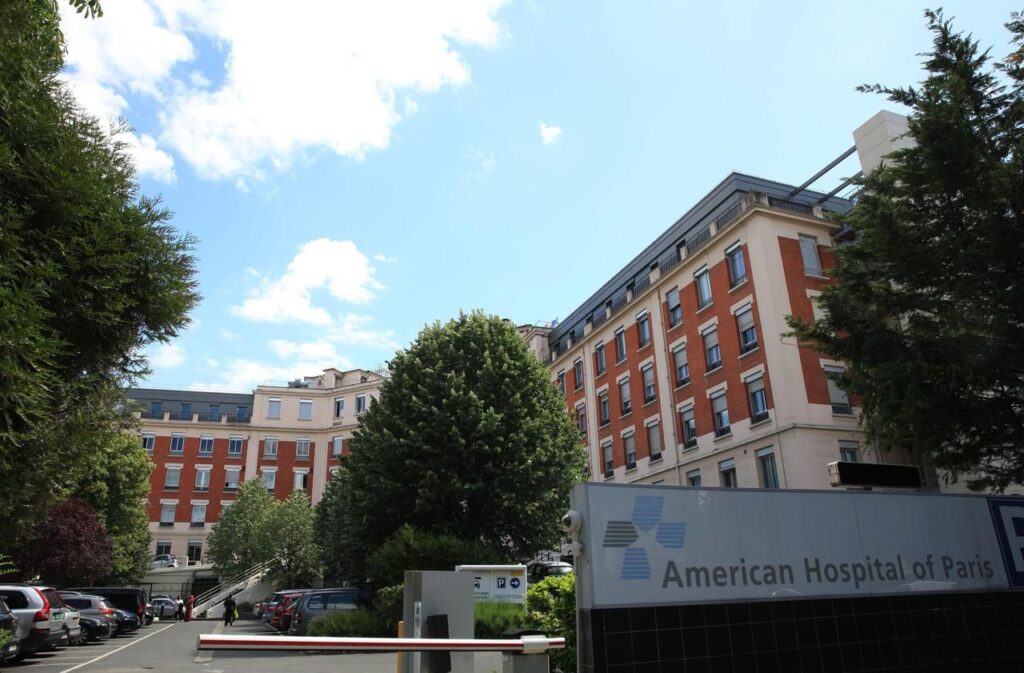
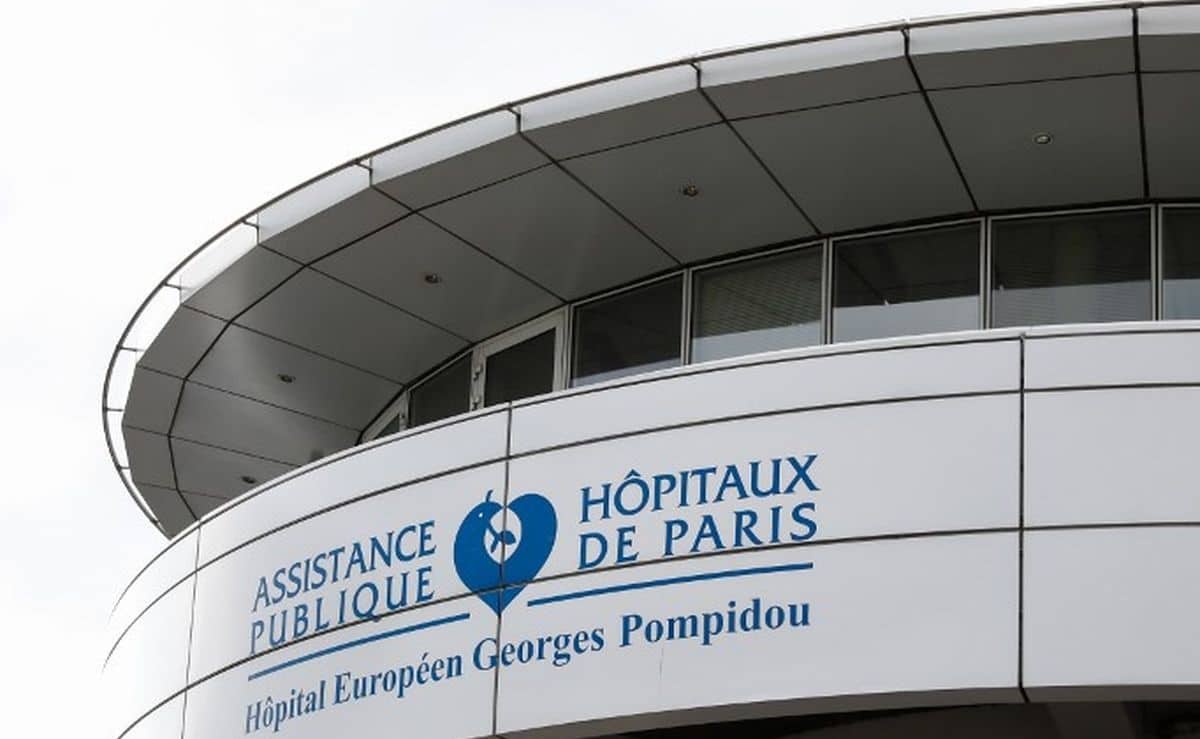
Public hospitals: Public hospitals are an important part of the healthcare system, and are run by the state. They offer a wide range of medical services, including emergencies, surgery and specialized care. Paris’s 38 public hospitals and research centers are managed by a single entity (AP-HP) with 100,000 employees.
Private clinics : Private clinics also provide healthcare services, often specializing or with shorter waiting lists.
General practitioners and specialists
General Practitioners (GPs): They play a key role as the first point of contact for patients. They coordinate care and can refer patients to specialists if necessary.
Specialists: Patients can consult specialists either directly, or on referral from their GP, according to the coordinated care pathway.
3. The Coordinated Care Pathway
To encourage structured care and avoid over-reliance on specialists, France has introduced the “parcours de soins coordonnés” (coordinated care path). Patients choose an attending physician who coordinates their care and refers them to specialists. Compliance with this system means higher reimbursements from Social Security.
The price of medical care in France
Prices for medical care in France vary according to several factors, including the type of medical service, the sector (public or private), and the nature of the coverage provided by the Assurance Maladie and complementary insurances. Here’s a general overview of costs:
1. Medical consultations
General practitioners
Sector 1: Doctors covered by sector 1 agreements adhere to the rates set by the Assurance Maladie. The basic fee for a consultation with a general practitioner is €30.
Sector 2: Doctors covered by sector 2 agreements may charge higher fees. The basic rate is also €30, but fees may be higher, up to €50, depending on the doctor.
Specialist Doctors
Sector 1: The basic fee for a consultation with a sector 1 specialist is €35 to €50.
Sector 2: Sector 2 specialists may also charge extra fees (€60 to €90).
2. Hospitalization
Public hospitals
For French, 80% of the cost of hospitalization in public hospitals is generally covered by the Assurance Maladie. The remainder includes the fixed hospital charge (€20 per day) and any extra fees for certain procedures or private rooms.

Private clinics
Rates may be higher in private clinics, with additional charges for services and comfort. The Assurance Maladie also reimburses 80% of the cost, but overruns may be more frequent and higher.
3. Medicines
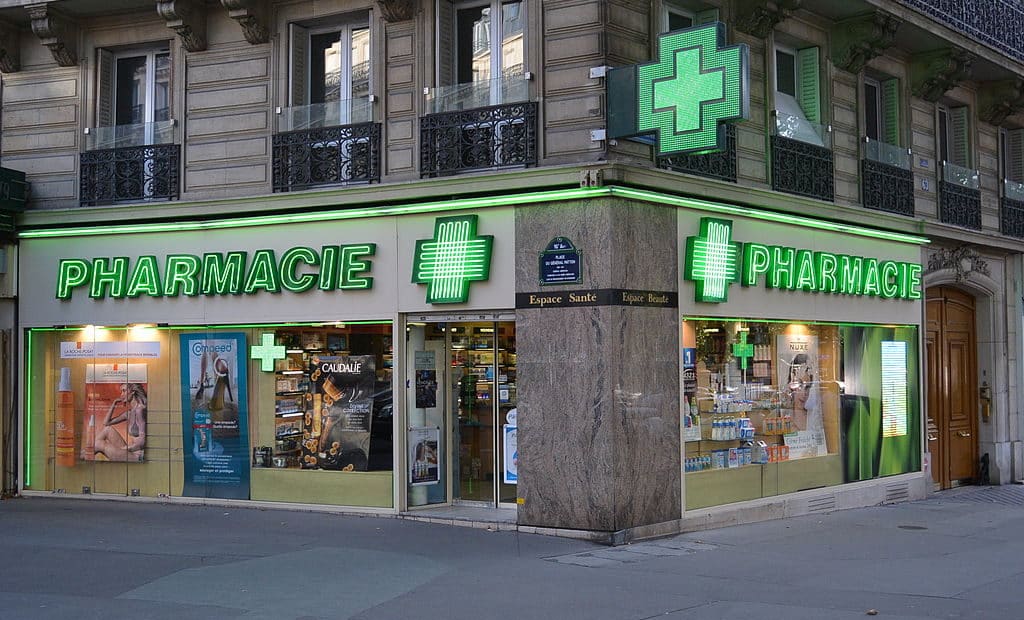
Medicines can only be bought in Pharmacies. They are partly reimbursed by the Assurance Maladie, but only for French nationals insured by the French Social Security system, with reimbursement rates ranging from 15% to 100% depending on the type of medicine .
Rules for writing prescriptions to be accepted by a pharmacist
Medicines or medical devices prescribed abroad may be dispensed in France, provided they are authorized for sale and available in France (European Directive 2012/52/EU).
Only drugs prescribed by a doctor are reimbursed by French Social Security, and only to French nationals affiliated to the French Social Security.
Prescription made abroad (or in France) must contain at least the following information:
Patient identification: surname(s), first name(s), date of birth
Prescription authentication: date of issue
Identification of the healthcare professional issuing the prescription: surname(s), first name(s), professional qualifications, direct contact details (e-mail address and telephone or fax number preceded by the international dialling code), professional address (including the name of the Member State), signature (handwritten or digital, depending on the medium chosen for issuing the prescription).
For drugs : Common product name, i.e. the name of the molecule. The drug is also defined by its pharmaceutical form, quantity, dose and dosage. In the case of biological drugs, the prescription must also include the brand name of the drug prescribed, in addition to the common name. If the doctor does not want a generic drug to be substituted, he or she can note the brand name, but must indicate “non-substitutable” and justify the request.
The main problem for tourists passing through France: how long it takes to get an appointment with a doctor
It’s very difficult to get an appointment with a general practitioner in less than 3 to 5 days. For specialist appointments, the waiting time is often several weeks to 6 months. Under these conditions, it is difficult for a tourist who is suddenly ill to consult a doctor in the normal way. There are, however, a number of tips to be aware of, which we summarize below.
If you’re staying at a hotel and you don’t feel very well, ask the management or receptionist. Very often, they have GPs who practice nearby and whom they know, often ready to travel quickly (within a few hours). You may pay a little more than for a basic consultation. (Non-French-speaking tourists : don’t miss out on anything when visiting Paris)
An alternative is to consult “SOS médecins“, either directly by telephone. It si an assocaition of physycians. They come to your room 24 hours a day, 7 days a week. In case of emergency, call https://www.sosmedecins.fr/ or 3624. Here again, your hotel reception can help you if necessary.
Have a consultation with a doctor online/on the Internet, usually available 24 hours a day – Several organizations specialize in this service. See Google “online doctor consultation“.
Dial 15 on your telephone. This priority number is most often used for urgent and serious cases, but also responds to all medical requests. You are put in touch with an assistant who asks you about your health and advises you to go and see your doctor as soon as possible, or forwards your call to a doctor on call to make a diagnosis. In serious cases, you are invited to consult a doctor, to go to the nearest hospital emergency department or, in extreme cases, an ambulance is sent to take you to the emergency department within the next ½ hour.
Finally, any police station will be able to help you and direct you to the nearest hospital.
Another problem: you need to renew your medication and/or you’ve lost your prescription
Avoid having to renew your prescriptions during your stay. Note that the prescription must include all the indications in the above paragraph to be accepted by a pharmacist.
If you’ve lost your prescription, you may find it difficult to get your medication from the pharmacist. The easiest way is probably to consult a french doctor, as described in the previous paragraph. He or she will give you a prescription corresponding to what you are used to having, and you can then go to the nearest pharmacist.
To find out which pharmacies are open late, all night or on Sundays, click on “Pharmacies open at night and in your neighborhood – Locations“
The 3 main offers of EKTA Traveling Insurance
A new generation insurance company that combines competitive prices with a high level of service
START
50 000,00 USD
Worldwide coverage
GOLD
+ covid
150 000,00 USD
Worldwide coverage
22 options available
MAX +
+ covid
500 000,00 USD
Worldwide coverage
56 options available
Comparing the cost of medical care with neighbouring countries, the USA and Canada
Comparing medical expenses for tourists in France with those in other countries requires us to take several factors into account, including type of care, standard of living, healthcare financing system, and price regulation. Here is a general comparison with a few representative countries:
United States
Consultation costs: A consultation with a general practitioner can cost between $100 and $300, far more than in France (€30 for a general practitioner in sector 1.
Hospitalization: Hospitalization costs in the U.S. are among the highest in the world. A day in hospital can cost several thousand dollars, compared with an average of around €1,500 in France (based on actual costs before reimbursement).
Dental and optical care: Dental and optical care are also much more expensive. A dental crown can cost between $1,000 and $3,000, compared with €500 to €1,000 in France.
United Kingdom
Consultation costs: GP consultations are free for residents, thanks to the National Health Service (NHS). In France, they cost €30.
Hospitalisation: Hospitalisation is also free for residents under the NHS, unlike in France, where the patient still has to pay, even after reimbursement.
Dental and optical care: Dental care is partially subsidized, with fees lower than in the U.S. but often higher than in France. Optical care is often paid for, with costs comparable to those in France for glasses and contact lenses.
Germany
Consultation costs: Similar to France, with a consultation with a general practitioner costing between €30 and €35.
Hospitalization: Hospitalization costs are close to those in France, with compulsory health insurance coverage (Gesetzliche Krankenversicherung) similar to that of the French Assurance Maladie.
Dental and optical care: Costs are comparable to those in France, with dentures costing between €500 and €1,500, depending on type and material.
Canada
Consultation costs: Consultations with a general practitioner are free for residents covered by the public health system (Medicare).
Hospitalization: Hospitalization is also covered by Medicare, at no cost to residents, as in the UK.
Dental and optical care: Often not covered by the public system, this care can be costly. Prices are comparable to those in the U.S., although generally a little lower.
Australia
Consultation costs: Consultations with a general practitioner cost around AUD50 (about €30), but some of this is reimbursed by Medicare.
Hospitalization: Hospital costs are partially covered by Medicare, with costs similar to those in France for patients with private insurance.
Dental and optical care: Not covered by Medicare, these costs are similar to those in France, but may be higher without complementary insurance.
Is taking out travel insurance a good idea?
A tourist in France will have to pay for medical expenses for tourists in France that he or she generates (drugs in pharmacies or doctors’ fees or hospitalization costs). See above for the costs involved, and compare them with the prices charged by travel insurance companies.
The cost of foreign travel insurance can vary considerably depending on a number of factors, including destination, length of trip, age of traveler, desired level of coverage, and the presence of pre-existing medical conditions. Here is a general estimate of costs and the factors that influence these prices:
1. Factors influencing cost of an insurance
Destination: Destinations where healthcare is more expensive (such as the USA) will result in higher premiums.
Trip duration: Longer trips cost more to insure. For example, insurance for a 2-week trip will be less expensive than insurance for a 6-month trip.
Age of traveller: Older travellers may pay higher premiums due to the increased risk of health problems.
Level of coverage: Comprehensive coverage including medical care, medical evacuation, trip cancellation and baggage loss will be more expensive than basic coverage covering medical care only.
Pre-existing medical conditions: If the traveler has pre-existing medical conditions, this may increase the cost of insurance.
2. Cost estimates for a travel insurance
The following are approximate cost estimates for different situations:
Short trip (1 to 2 weeks)
Europe: €20 to €50
World (excluding USA): €30 to €60
World (including USA): €50 to €100
Medium trip (1 to 3 months)
Europe: €50 to €150
World (excluding USA): €70 to €200
World (including USA): €150 to €300
Long Trip (6 months to 1 year)
Europe: €150 to €500
World (excluding USA): €200 to €600
World (including USA): €400 to €1,000
3. Coverage examples of travel insurances
Basic insurance
Emergency medical care: Up to €100,000
Medical evacuation: Included
Repatriation assistance: Included
Trip Cancellation and Interruption: Not included or limited options
Luggage and personal effects: Limited coverage
Comprehensive Insurance
Emergency Medical Care: Up to €1,000,000
Medical evacuation: Included
Repatriation assistance: Included
Trip Cancellation and Interruption: Included, with high level of coverage
Luggage and personal effects: Full coverage, including loss and theft
Don’t forget your first-aid kit!
Another point to keep in mind, especially as it can save you a lot of time and money: have your own “travel pharmacy” when “Preparing your trip to Paris directly and easily from home“.
There is no standard first-aid kit for travel. Its composition depends on the destination and type of stay. The list below is not exhaustive. Travel kits containing basic products are also sold in pharmacies.
Oral medication: to avoid any risk of error, oral medication should be taken in its original packaging. Avoid liquid forms (syrups, drinking solutions, etc.) and suppositories.
an antipyretic analgesic for pain and fever (paracetamol is preferable);
anti-nausea medication (for motion sickness);
diarrhea medication (antidiarrheal, antibiotic such as azithromycin) and oral rehydration sachets if traveling with children;
allergy medication (mildly sedating antihistamines);
if necessary, anti-insomnia medication to help you sleep on the plane or adapt to jet lag (depending on your doctor’s advice).
In certain cases, your doctor may prescribe an antibiotic treatment to take with you. The choice depends on the length of your trip, the accessibility of treatment and the risk of infection.
Other products: for minor wounds:
antiseptic eye drops (packaged in single-dose containers) ;
saline solution for cleaning nose and eyes (single-dose pack);
sunscreen (high SPF) and sunburn cream;
antiseptic solution for disinfecting wounds;
sterile dressings and adhesive sutures;
hydrocolloid dressings for blisters or wounds (see box);
elastic restraint bands (Velpeau type) and plaster-type adhesive tape;
unbreakable thermometer ;
safety pins ;
splinter tweezers or tweezers;
ointment for bumps and bruises;
anti-inflammatory ointment or gel;
hydroalcoholic gel or solution for hand hygiene;
products for disinfecting drinking water, if necessary.
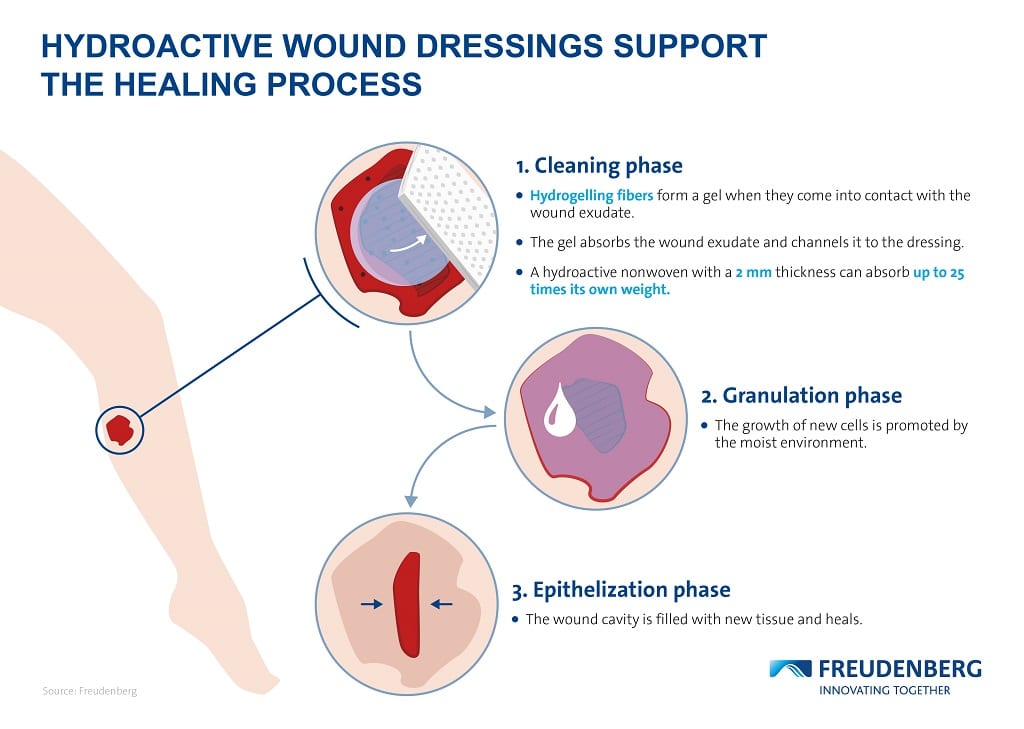
Note: Hydroactive dressings
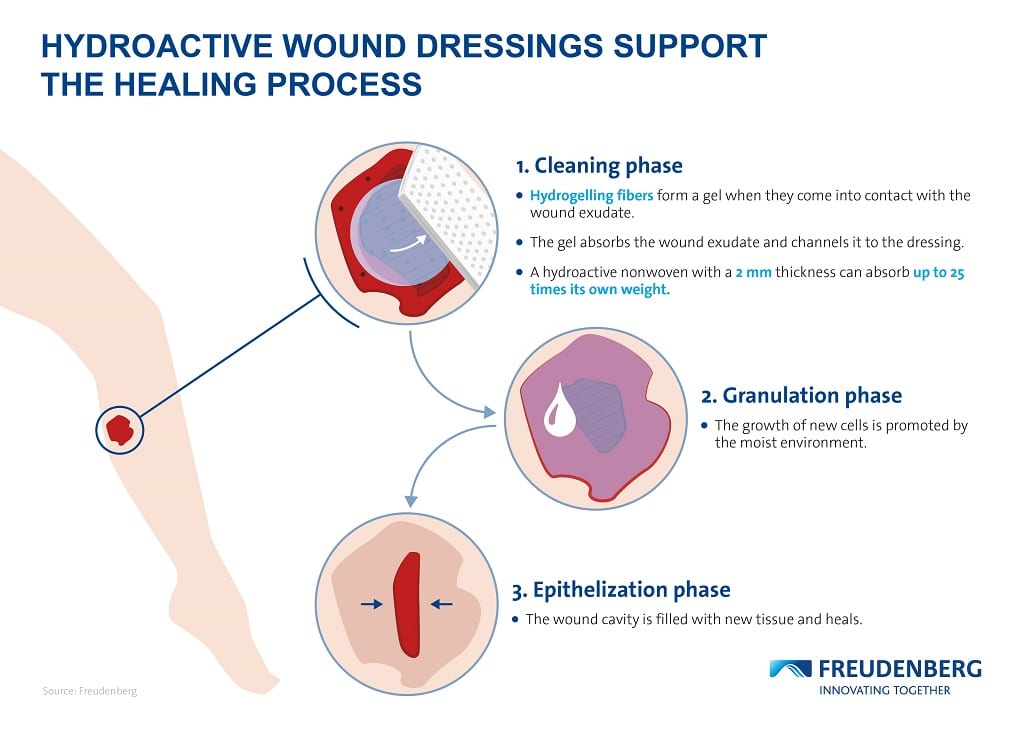
In recent years, a new family of adhesive dressings has become available in pharmacies: hydroactive (or hydrocolloid) dressings. These dressings are composed of a layer of polyurethane, underpinned by a layer of carboxymethylcellulose, a substance which forms a gel on contact with liquids oozing from a wound. These dressings retain moisture in the wound while protecting it from liquids, germs, cold, etc. They should remain in place for several days, and considerably accelerate healing. These products have recently been introduced in the form of gels or sprays.
Consider travel insruance and click here for protection for all your travel needs.